Rain Enhancement Technologies and Grand County report the Utah cloud‑seeding station produced an estimated 2.8 billion gallons (about 8,750 acre‑feet) of extra snow — potentially enough for roughly 35,000 households for a year. However, the estimate is based on just two weather gauges and carries an 80–85% confidence range. Local officials and atmospheric scientists urge independent validation and expanded monitoring before scaling the technology or committing public funds.
Utah Cloud‑Seeding Project Says It Added 2.8 Billion Gallons — Scientists Urge Caution
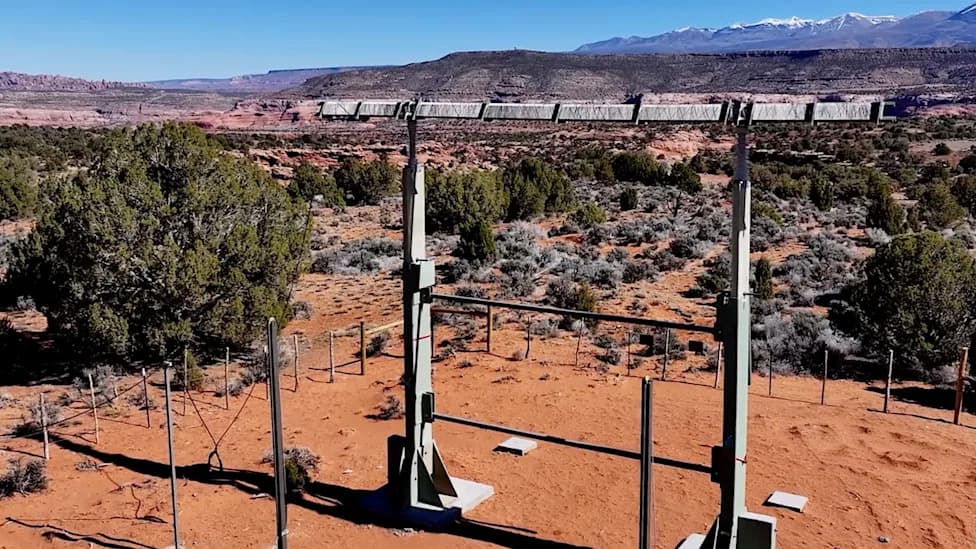
Photo Credit: Rain Enhancement Technologies
Rain Enhancement Technologies and the Grand County Water Conservancy District say a ground‑based cloud‑seeding station near the La Sal Mountains in southeastern Utah produced an estimated 2.8 billion gallons of additional water last season. The company reports about 8,750 acre‑feet of extra snow — roughly enough for 35,000 households for a year — but scientists and some local officials warn the figure should be treated cautiously.
Project Details
The Utah installation uses charged ions to encourage precipitation rather than the more common silver iodide approach. According to The Colorado Sun, the project partners reported the 8,750 acre‑feet estimate based on measurements from two weather gauges. Rain Enhancement Technologies acknowledged the headline number carries only about 80–85% confidence.
Voices From the Field
"We'd love to see thousands of these all over helping to solve the water crisis," Rain Enhancement Technologies CEO Randy Seidl told The Colorado Sun.
Local and academic experts urged caution. Grand County Water Conservancy District board member Kevin Clyde told the paper public skepticism is understandable: "People have heard about cloud seeding … for a long time and not very many people believe in it. It's kind of like witch doctoring." Katja Friedrich, chair of Atmospheric and Oceanic Sciences at the University of Colorado, added: "We don't have the answers. And I feel like this is so far ahead because we're so desperate for water that we'll do anything."
Why This Matters
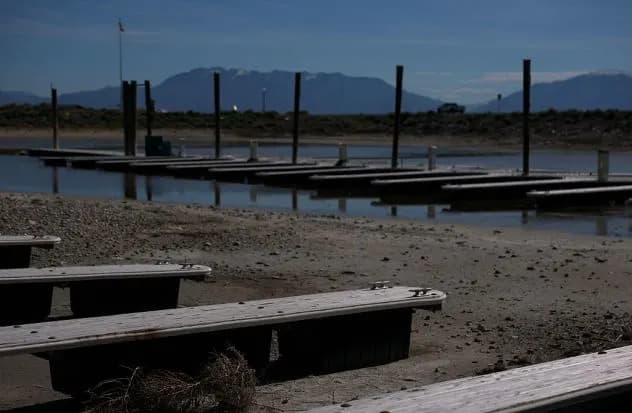
Communities across Utah and Colorado are making difficult water‑management decisions as drought and warming reduce river flows and reservoir storage. Grand County officials say one reservoir has dropped to about one‑third capacity, and farmers in dry years are receiving roughly half their usual water allotment. If cloud seeding reliably adds runoff, even modest gains could help drinking water supplies and agriculture. If it does not, cash‑strapped communities risk spending public funds on infrastructure that may not deliver the promised benefits.
What Comes Next
Given the limited measurement network and the stated confidence range, experts say independent evaluation, transparent methods and expanded monitoring are needed before scaling the technology. Policymakers should weigh the potential benefits against the risks of investing in a solution that, while promising, remains insufficiently validated. Additional peer‑reviewed studies, longer monitoring periods and more gauges would strengthen confidence in any future claims.
Bottom line: The Utah project presents a potentially useful tool in a water‑stressed region, but the current evidence is preliminary and requires independent verification before widescale adoption or major public spending.
Help us improve.