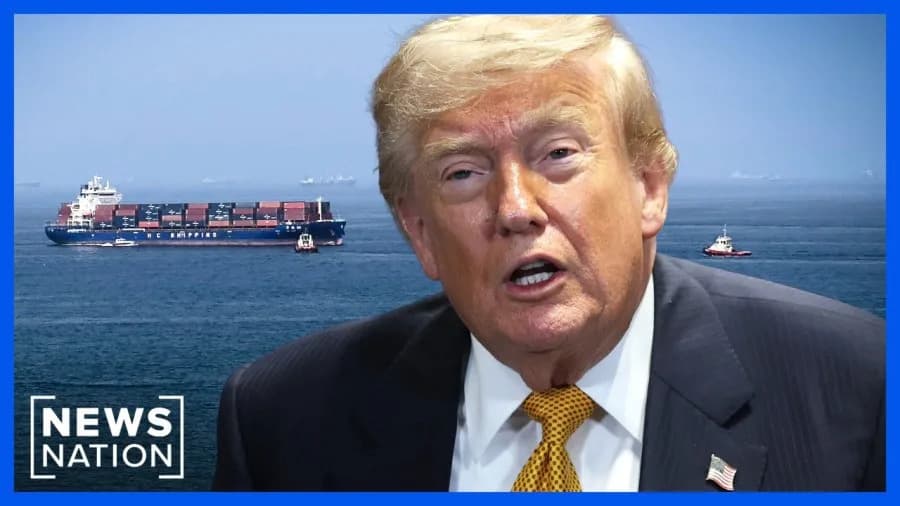
President Trump says the U.S. is "low‑keying" its approach to Iran as talks to reopen the Strait of Hormuz and end the war appear stalled. Reports indicate Trump has privately considered declaring victory without a formal nuclear deal if the strait is reopened. Iran has presented new demands — ending hostilities, lifting the blockade, war reparations and unfreezing assets — while both sides communicate indirectly. The delay raises domestic pressure over higher fuel prices, looming midterms and strained U.S. weapons stockpiles.
Trump Says He’s 'Low‑Keying' Iran Strategy — Could Walk Away Without Nuclear Deal If Strait Reopens
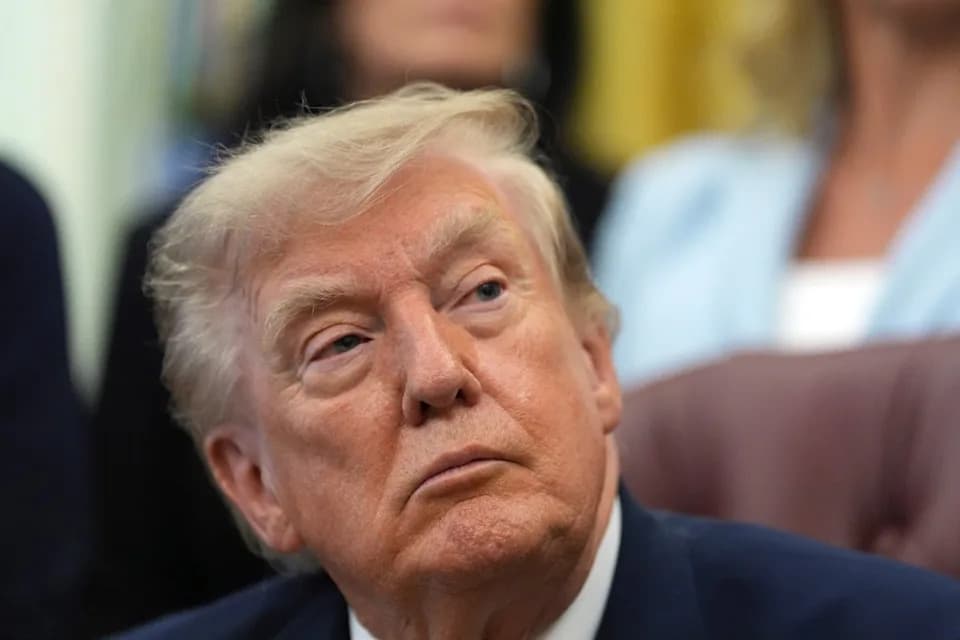
Donald Trump has reportedly considered declaring victory in the Iran war even if a nuclear deal hasn't been reached (AP)
President Donald Trump says the United States is taking a cautious, "low‑key" approach to Iran after negotiations aimed at reopening the Strait of Hormuz and ending the war reportedly stalled. In an interview with Axios, Trump suggested Washington is watching Iran's economic strains and that the broader strategy will "work out."
What the President Said
Trump told Axios:
"We are low keying it. We are only semi‑negotiating with them. We are just watching Iran with its huge inflation and the fact they have no money."
According to reporting in The Wall Street Journal, the president has privately considered declaring victory on his top objective — closing down Iran's nuclear program — even without a formal nuclear deal, provided the Strait of Hormuz is reopened to commercial shipping.
Iran's Response And New Conditions
Tehran has signalled a similarly cautious, arms‑length approach. Iranian Foreign Minister Abbas Araghchi said the two sides are not engaged in direct talks and are instead exchanging messages through intermediaries.
Iran has reportedly set out fresh conditions before it would reopen the Strait of Hormuz: an end to active hostilities, lifting of the U.S. blockade, payment of war damages and the unfreezing of Iranian assets.
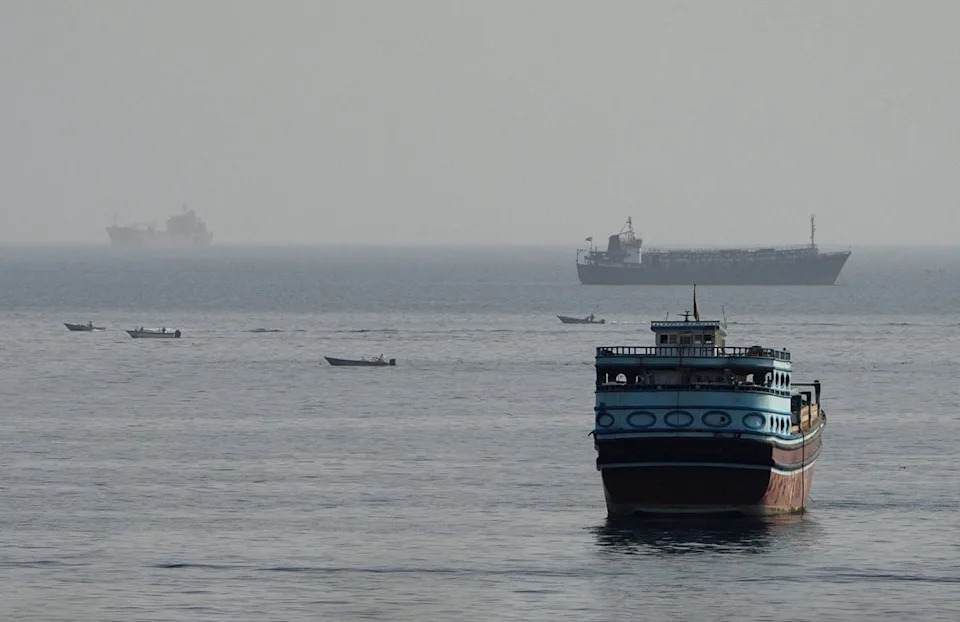
Over the weekend, Iran laid out a new series of demands on the US before it would consider opening the Strait of Hormuz, including requests for war damages and the end of the American blockade (Reuters)
U.S. Position And Diplomacy
U.S. officials say any change in American policy will depend on Iran meeting conditions first. "Once the deal is announced to restore commercial shipping without impediments, the United States will lift the blockade of Iranian ports," a U.S. official told Reuters.
Talks between Iran and Oman have shown some progress but have not produced a final agreement. Sen. Marco Rubio said:
"There's been progress made in those talks [between Iran and Oman], but not finality yet. We're hoping that will happen very shortly."
Political And Military Stakes
Vice President J.D. Vance offered a measured assessment, telling Fox News that the "same amount of oil" will eventually transit the Hormuz Strait and that negotiations are "in the middle of the game," with Washington applying a range of diplomatic, economic and military tools.
Analysts warn that the longer the stalemate continues, the greater the pressure on the administration. Gregory Brew of the Eurasia Group said Iran believes Trump wants to end the conflict and is focused on reopening the strait, which may encourage Tehran to play hardball.
Domestic considerations add urgency: midterm elections are approaching and gasoline prices remain above pre‑war levels. Officials also warn the prolonged campaign has strained U.S. weapons stockpiles, prompting the Pentagon to push contractors to ramp up production.
What To Watch Next
- Progress or breakdown in Oman‑mediated discussions.
- Whether Iran moderates its list of demands or insists on full terms before reopening the strait.
- U.S. political pressure as midterms draw near and energy prices stay elevated.
Help us improve.