CRBC News
Society

Viral Stunt in Odisha: Man Arrested After Grabbing Wild Elephant's Tusk

Viral Stunt in Odisha: Man Arrested After Grabbing Wild Elephant's Tusk
Photo Credit: iStock

A viral video from Kendujhar district, Odisha, showed Ganesh Nayak grabbing a wild elephant's tusk and filming himself, prompting police to arrest him and detain two others.

The Forest Department opened an inquiry and officials say action has been taken under Section 50 of the Wild Life (Protection) Act, 1972. Authorities warn such stunts put both people and animals at serious risk and hope the arrests deter copycat behaviour.

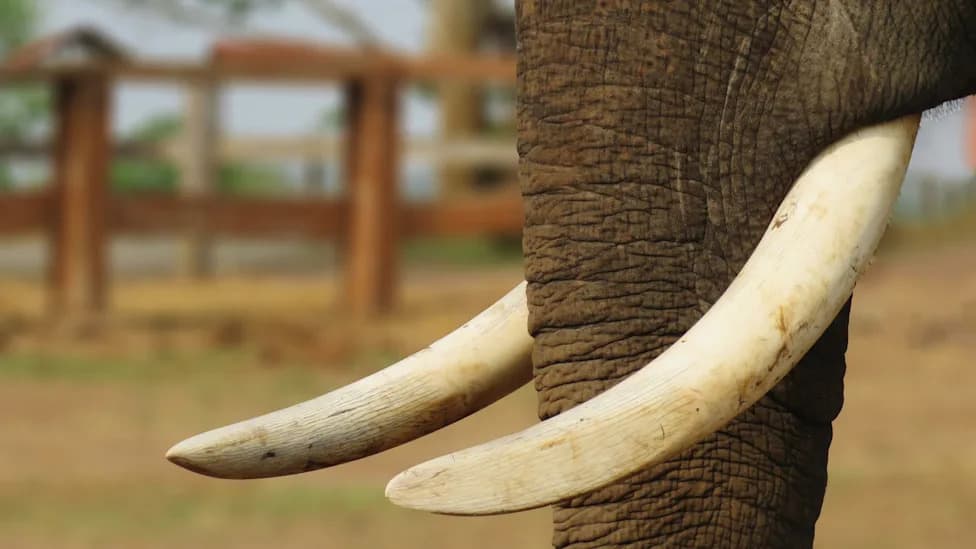
A bid for social media fame in eastern India ended in arrest after a video showed Ganesh Nayak, a young man from Kendujhar district in Odisha, approaching a wild elephant and placing his hand on one of its tusks while filming himself, Argus English reported. The clip circulated widely online and prompted immediate action by local authorities.

Investigation and Charges

Police detained Nayak after the footage spread on social media. The Forest Department opened an inquiry and detained two others who were allegedly involved. Officials said action was taken under Section 50 of the Wild Life (Protection) Act, 1972. Authorities also noted that Nayak had been linked to earlier animal-related incidents and was reportedly absconding before his arrest.

Official Reaction

Divisional Forest Officer H.D. Dhanaraj described the episode as part of a worrying trend of risky behaviour driven by the pursuit of "likes, views and followers." "Despite repeated awareness campaigns, some youngsters continue to risk their lives for social media attention," Dhanaraj told Argus English. "This arrest sends a strong message that such reckless acts will invite strict legal action."

Risks to People and Animals

Wild elephants are powerful and unpredictable; moments that seem calm on camera can turn dangerous in seconds. A frightened or provoked elephant can inflict serious injury or death. Wildlife experts and forest officials warn that stunts like this not only endanger the people involved but also stress animals, normalize unsafe behaviour and encourage copycat incidents that can put bystanders, residents and forest staff at risk.

Broader Context

Officials say hazardous encounters with wildlife are often linked to human-driven factors such as habitat disruption, crowding and people deliberately entering animal spaces to capture content. While public-awareness campaigns aim to reduce such incidents, authorities hope that prompt legal action will serve as a stronger deterrent against dangerous viral stunts.

Note: Nayak and the two others will face charges for allegedly provoking a wild animal and violating wildlife protection laws, according to Argus English.

Help us improve.

Related Articles

Trending