Key developments: Taiwan's Coast Guard filmed a 200-foot Chinese-flagged research vessel loitering above the Pacific Light Cable Network, an 8,000-mile fiber link to the U.S. and Philippines. Windward tracked the ship's slow movements over the cable route — behavior analysts say can signal maritime intelligence collection — though there is no public proof the voyage involved transfers to China's military. The incident highlights rising concerns about protecting undersea infrastructure that carries most intercontinental internet traffic, especially given Taiwan's central role in semiconductor production.
Chinese Research Vessel Filmed Hovering Over Critical Pacific Undersea Cable Linking Taiwan and US
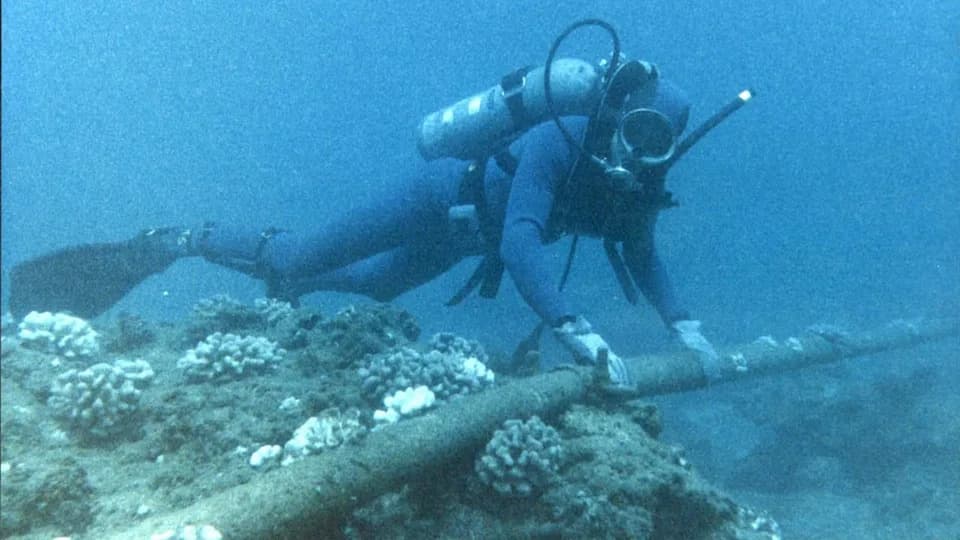
Credit: Comprehensive Nuclear-Test-Ban Treaty Organization/Flickr
Credit: Comprehensive Nuclear-Test-Ban Treaty Organization/Flickr
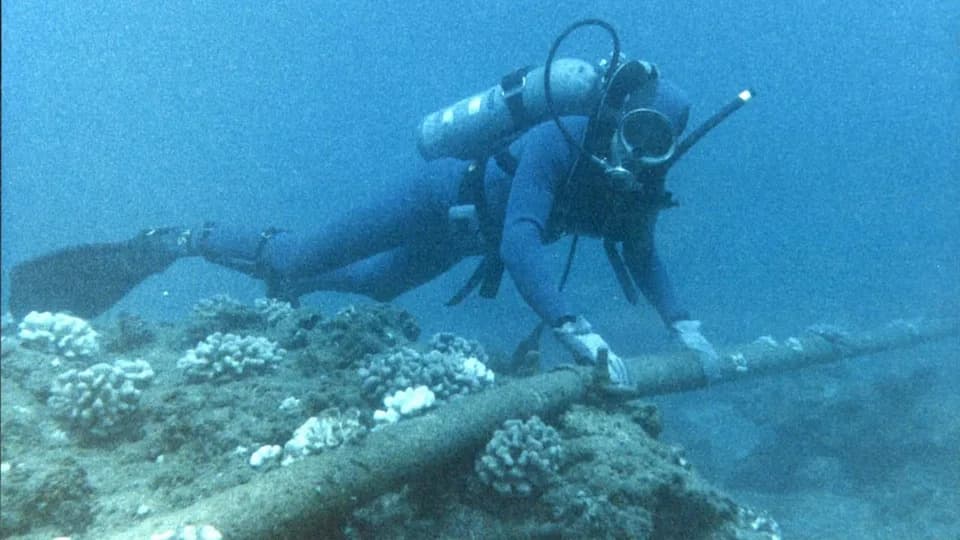
A Chinese-flagged research vessel was filmed loitering directly above the Pacific Light Cable Network — a strategic, roughly 8,000-mile undersea fiber-optic system that connects Taiwan, the Philippines and the United States. Taiwan's Coast Guard recorded the encounter and issued a warning for the 200-foot ship to alter course away from the cable route.
What Happened
Maritime analytics firm Windward tracked the vessel moving slowly along the route of the cable in the Philippine Sea. Analysts describe sustained slow movements over fixed infrastructure as a familiar indicator of maritime intelligence collection, since undersea cables do not drift and such behavior often draws scrutiny.
Windward noted that "vessels that hover over them get noticed" by trained analysts worldwide.
Context And Past Activity
Windward did not publicly disclose the ship's name or identifying number, but said the same vessel has operated repeatedly near disputed features in the South China Sea, including the Paracel and Spratly Islands. Historical records also place the ship as far afield as the Bay of Bengal and waters off Sri Lanka.

Google logo on a black background next to text reading 'Click to follow TechRadar'
Analysts have flagged an uptick in Chinese research-vessel activity east of Taiwan since June, occurring alongside broader maritime operations across neighboring seas. Some security experts express concern that Beijing's military-civil fusion policies could enable intelligence gathered by ostensibly civilian research ships to support military objectives — but there is no publicly available evidence showing that information from this recent voyage was collected for or transferred to China’s military.
Official Responses And Broader Risks
Chinese authorities have repeatedly rejected accusations that their vessels intentionally damage or target undersea cables, calling such claims politically motivated and premature. Taiwan and several Western governments have linked Chinese-flagged ships to earlier cable disruptions, and NATO officials have cited similar concerns in other regions, including suspected sabotage in the Baltic Sea.
Submarine fiber-optic cables carry roughly 99% of all intercontinental internet traffic, making their security a growing global priority. The Pacific Light Cable Network is especially sensitive because Taiwan produces more than 90% of the world’s most advanced semiconductor chips — amplifying the strategic implications of any threat to connectivity between Taiwan and the United States.
The cable project initially planned a Hong Kong landing, but U.S. regulators blocked that route in 2020 amid worries that a Hong Kong connection could expose sensitive American data to Chinese intelligence. The system was subsequently reconfigured to link only the United States, Taiwan and the Philippines.
Bottom Line
Whether the research vessel's slow, hovering behavior was directed at legitimate scientific work or at intelligence collection remains unresolved. The filmed warning by Taiwan's Coast Guard and the vessel's operational pattern have prompted renewed attention to undersea infrastructure protection and to the presence of research vessels near strategically sensitive sea lanes.
Help us improve.