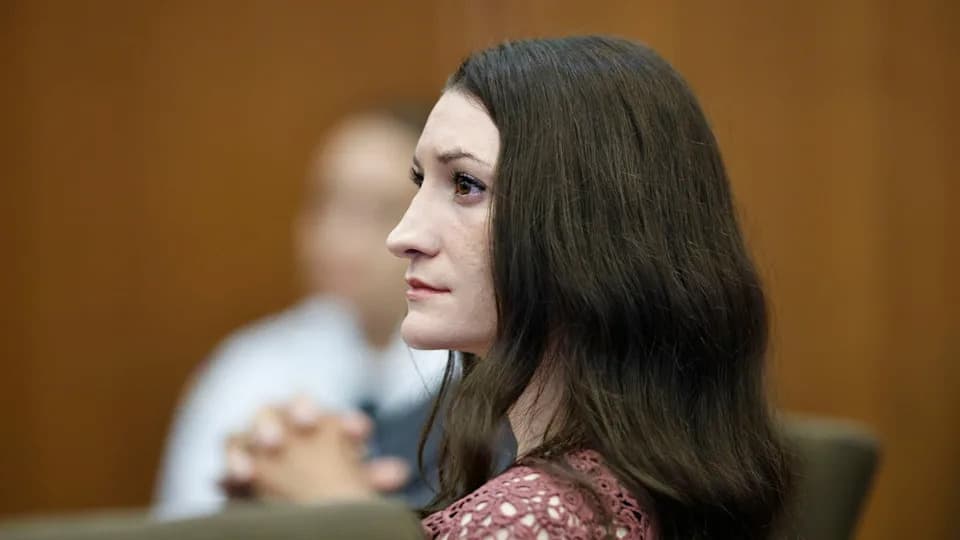
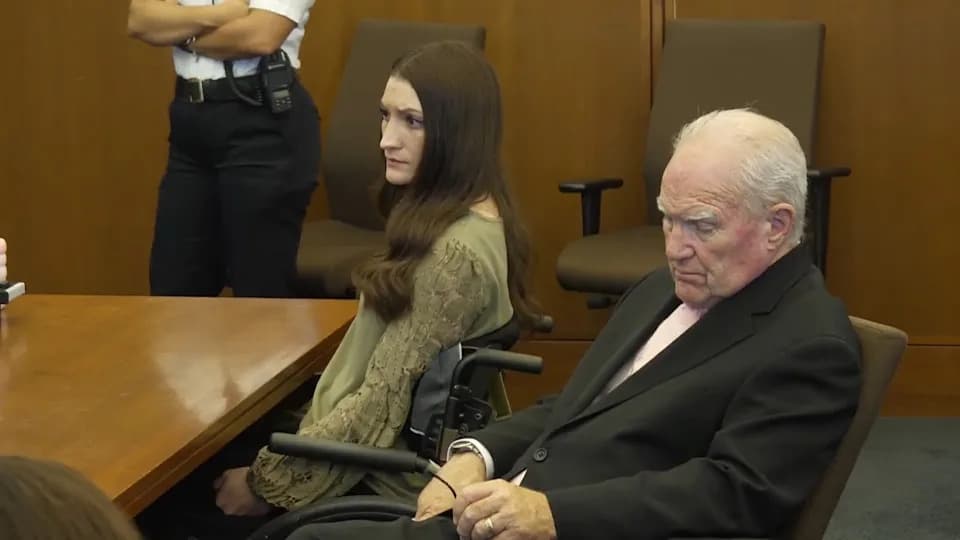
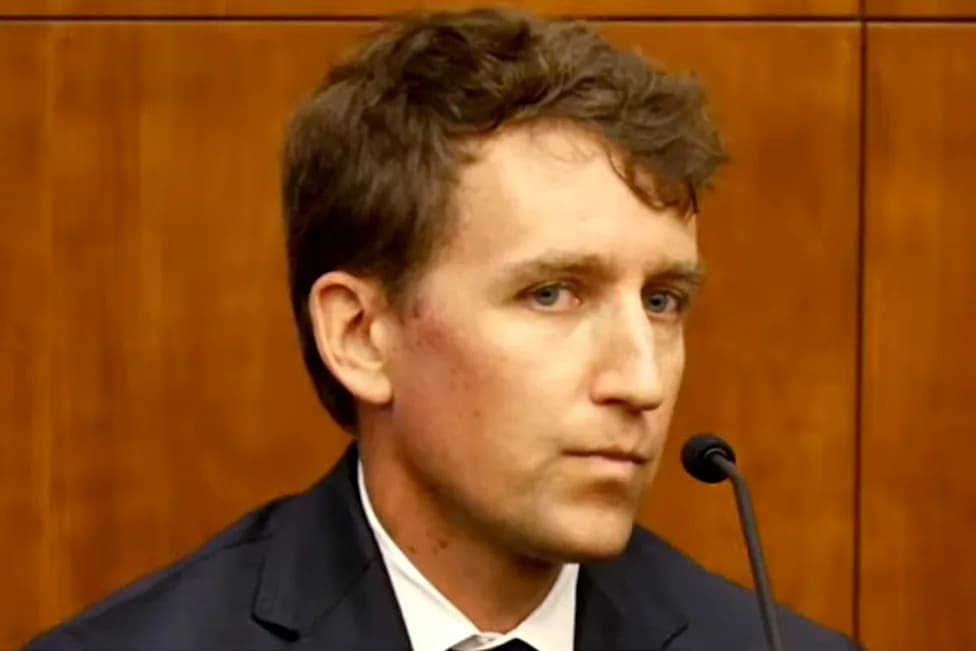
The Lindsay Clancy trial has shone a national spotlight on maternal mental health, medication management and clinical responses to postpartum illness. Witnesses described Clancy as a loving but sleep-deprived and anxious mother who was prescribed multiple psychiatric drugs; several treating psychiatrists said they did not diagnose postpartum psychosis. Experts argue the case exposes gaps in screening, education and care that can allow illness to escalate. The proceedings continue to examine whether clinical or systemic failures played a role in the deaths of three young children.
‘America’s Saddest Murder Trial’: What the Lindsay Clancy Case Reveals About Maternal Mental Health Care
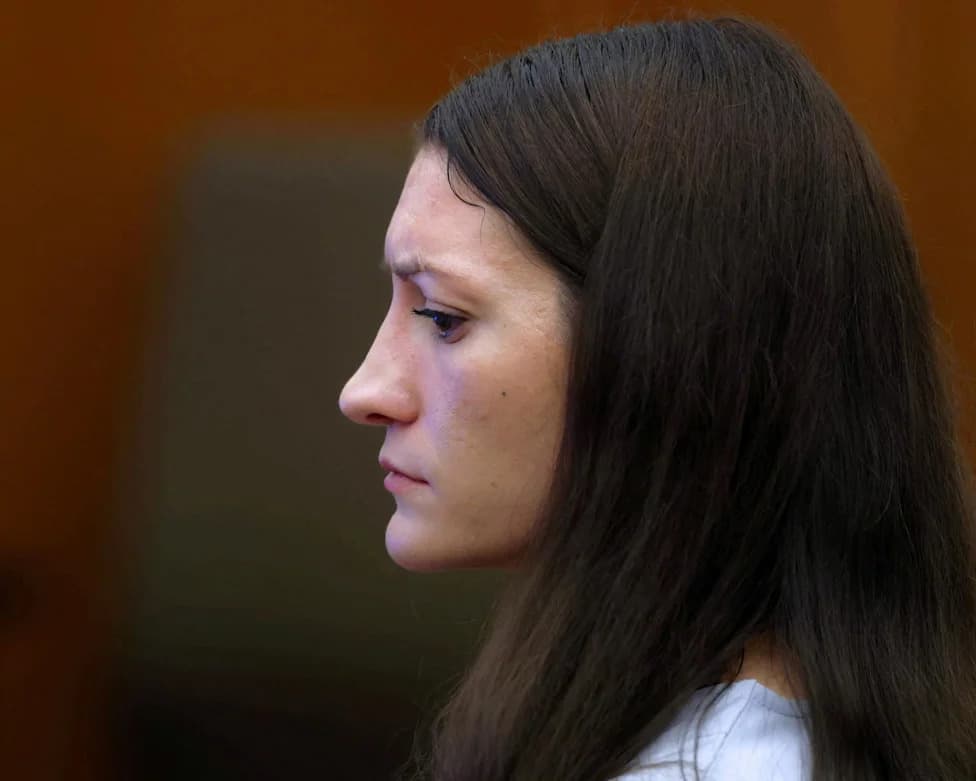
Lindsay Clancy in court in Plymouth, Massachusetts. Clancy has been accused of the murder of her three young children.Photograph: CJ Gunther/Reuters
The trial of Lindsay Clancy — widely described in media coverage as "America's saddest murder trial" — has focused intense attention on maternal mental health, clinical judgment and the health system's response to a mother in crisis. Testimony last week in Plymouth, Massachusetts, from psychiatrists, therapists and medication experts has underscored contested questions about diagnosis, medication management and duty of care.
Conflicting Portraits and Core Facts
Court testimony presented a complex portrait: friends, family and professionals described Clancy as a devoted mother who was nevertheless exhausted, anxious and struggling with severe insomnia. In January 2023, three young children — eight-month-old Callan, five-year-old Cora and three-year-old Dawson — were killed. Clancy, now 32, has admitted the killings; prosecutors argue the evidence shows criminal intent, while the defence says she was suffering from a psychotic break driven by postpartum mental illness and is therefore not criminally responsible.
Medical Testimony and the Medication Record
Three psychiatrists who evaluated or treated Clancy in the months before the deaths told jurors they did not diagnose postpartum psychosis. Dr Alia Goodheart described Clancy as a 'low-risk' patient who reported insomnia, emotional numbness and fleeting suicidal thoughts without a plan. Dr Jennifer Tufts testified that Clancy showed no manic symptoms, advised stopping sertraline (Zoloft), recommended nonpharmaceutical measures such as fish oil and prescribed lorazepam for severe anxiety episodes. Jurors heard that Clancy had been prescribed 13 different psychiatric medications in the months before the killings.
Allegations of Clinical Failure and a Civil Suit
The defence and Clancy's former husband have filed a medical malpractice lawsuit naming Tufts and Goodheart, arguing clinicians failed to recognize or adequately treat a deteriorating postpartum condition. Expert witness Dr Nicole Kumi, a specialist in postpartum mental health, told the court the case highlights gaps in care, limited awareness among clinicians and the public, and how sleep deprivation and other subtle signs can be missed or normalized—especially in mothers with more than one child.
'She was crying out for help within her home and within the healthcare system,' Dr Kumi said, arguing that medication and redirection alone were not enough.
Courtroom Moments and Supporting Testimony
Witnesses described Clancy as loving and engaged with her children: a state police investigator said there was no evidence of prior abuse, a pediatrician recalled a routine check-up the day of the killings, and family and friends testified she had been open about her mental-health struggles. The proceedings have also featured emotionally fraught moments — including an allegation from the defence that a prosecutor told someone to 'shut her up' while Clancy wept as autopsy photos were shown.
Broader Implications
Beyond the facts of the case, clinicians and advocates told jurors this trial raises systemic issues: how postpartum disorders are screened, how medication changes are managed, and how families and clinicians respond to warning signs such as severe insomnia. Experts warn that visible functioning does not always reflect internal distress; psychosis can include delusions and hallucinations even when a person appears outwardly composed.
Support Resources
If you or someone you know is in crisis, please seek immediate help. In the US call or text 988 or visit 988lifeline.org. Crisis Text Line: text MHA to 741741. In the UK, Mind: 0300 123 3393; Childline: 0800 1111. In Australia, Beyond Blue: 1300 22 4636; Lifeline: 13 11 14; MensLine: 1300 789 978.
The trial continues to probe clinical decisions, family testimony and whether systemic failures in maternal mental-health care contributed to a preventable tragedy.
Help us improve.