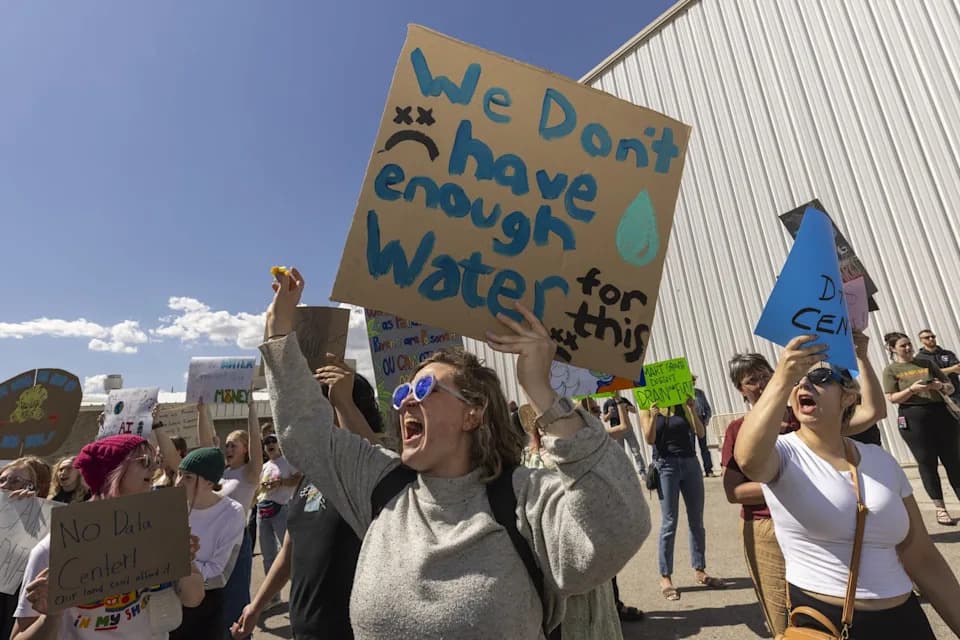
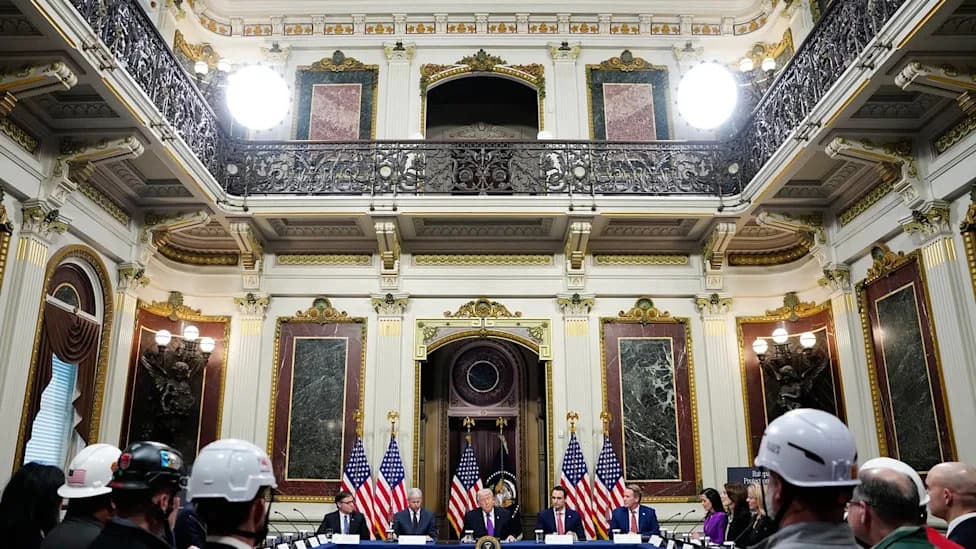
Data centers have become a contentious bipartisan issue in the U.S., with at least 37 arrests tied to protests this year. Governors in New York and Texas have paused new approvals amid concerns about land use, pollution and grid strain. President Trump has publicly defended data centers as vital to the economy and U.S. leadership in AI, while researchers warn of rising greenhouse gas emissions where gas backup generators are used. The debate highlights trade-offs between national tech competitiveness and local environmental and economic impacts.
Trump Backs Data Centers Amid Growing Protests — Energy, Jobs and the AI Race
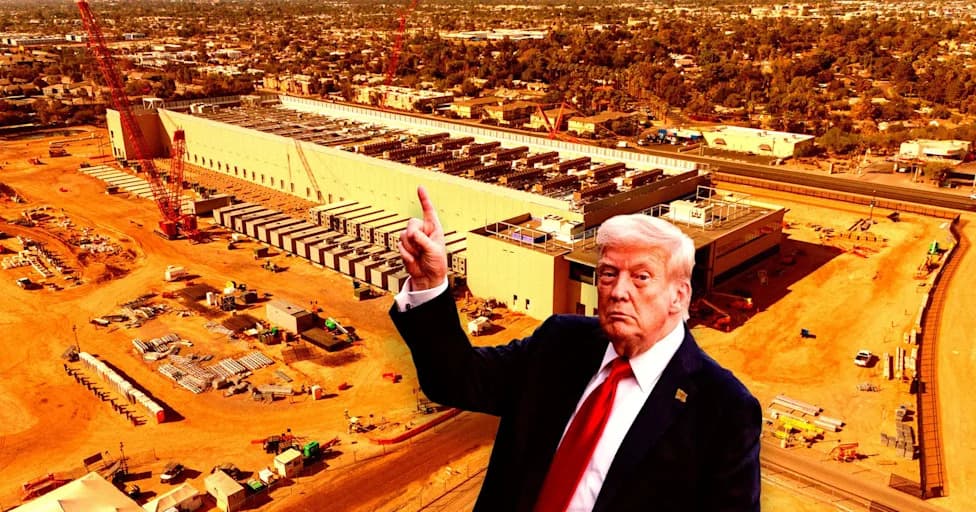
Shutterstock / Futurism
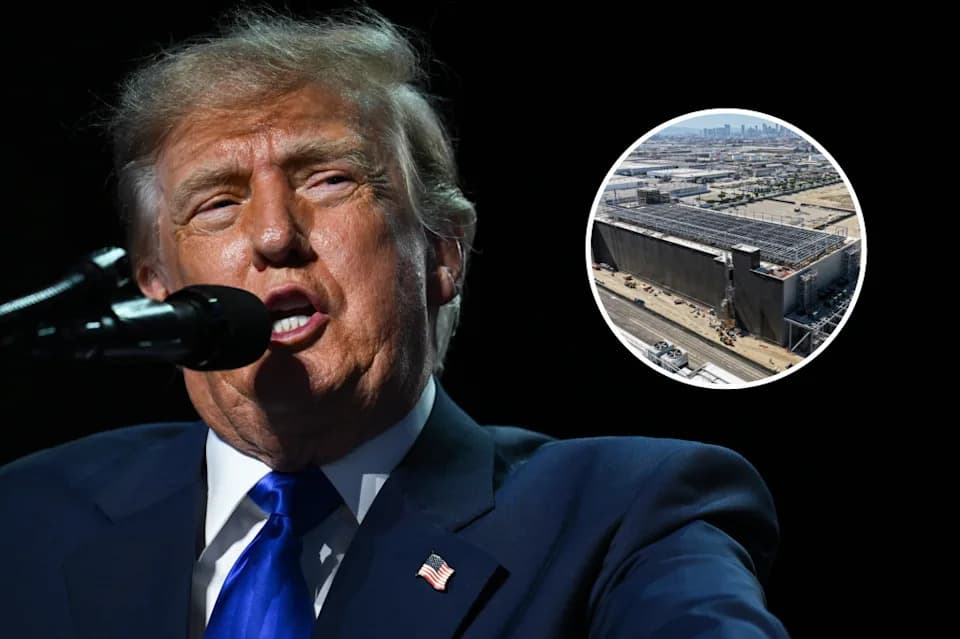
Data centers have become a national flashpoint, provoking protests, policy pushback and an intense debate over energy, environmental impact and who really benefits from the digital infrastructure boom.
Why Data Centers Spark Protests
Multiple polls show broad public unease about the facilities. Opponents point to large land footprints, air and noise pollution, rising local electricity costs and doubts that data centers deliver meaningful job growth for host communities. So far this year, at least 37 arrests have been reported in demonstrations opposing new projects.
Policy Responses
Officials in several states have acted. New York Governor Kathy Hochul imposed a temporary moratorium on new approvals, and Texas Governor Greg Abbott announced a pause on new permits for data centers to protect an already strained power grid.
Trump's Defense
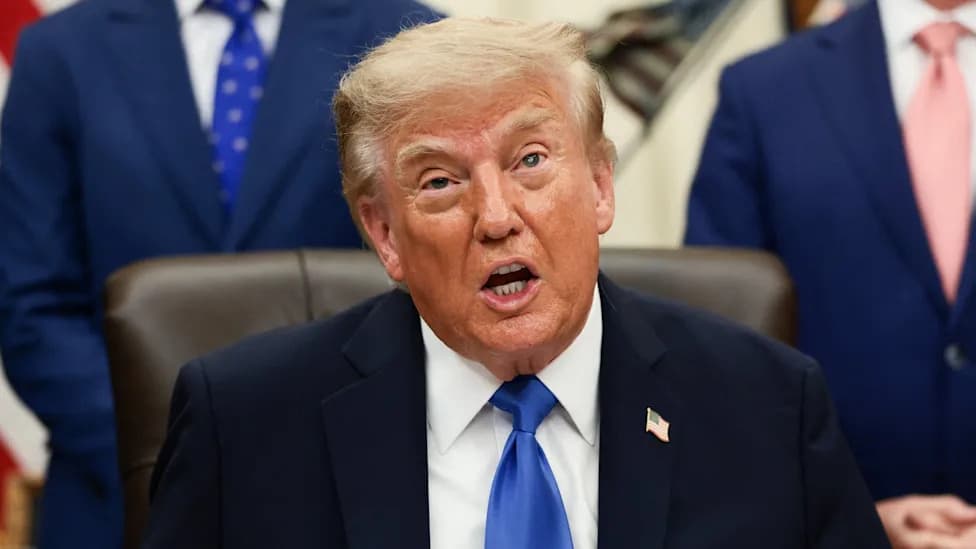
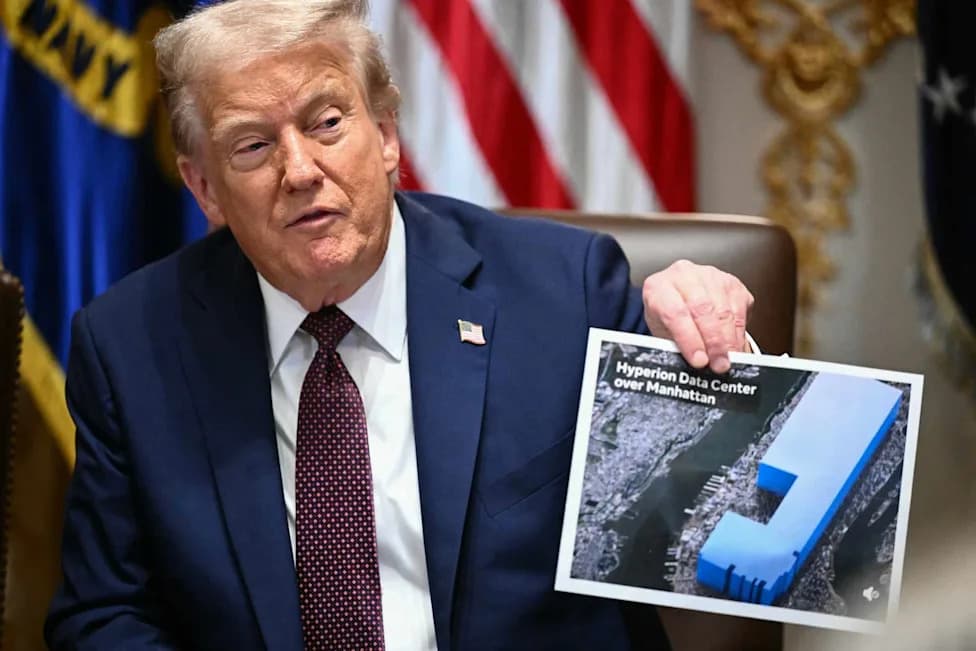
"I saw Texas the other day sort of is against data centers. I think it's a mistake," President Donald Trump told Punchbowl News in a recent interview. He described data centers as among the "most incredible buildings I've ever seen," called them "tremendously important for the economics" and warned that the U.S. should not cede leadership to China in areas like AI.
Energy, Environmental and Economic Concerns
Researchers warn that the rapid growth of data centers can lead to higher greenhouse gas emissions in affected regions, particularly where operators use gas-burning backup generators to maintain uptime. Critics argue that the economic gains are often concentrated among a few large companies and that many communities see limited local job creation. Supporters counter that data centers are essential infrastructure for the modern digital economy and for maintaining U.S. competitiveness in artificial intelligence.
Political Stakes
The dispute ties together local land-use battles, state-level energy reliability, environmental policy and international tech competition. It underscores broader tensions between rapid private tech investment and community concerns about environmental impacts, infrastructure strain and equitable economic benefits.
Bottom line: Data centers offer strategic and economic advantages but also impose local costs and environmental risks. Policymakers are wrestling with how to balance national tech priorities with community and grid resilience.
Help us improve.