Researchers report that the human cost of mass shootings extends beyond those killed at the scene. A JAMA Psychiatry study found that traffic fatalities rose by an average of 14.3% — about 20 extra deaths nationwide — on the day after the 10 deadliest shootings, roughly equal to 75% of those shootings' on-site fatalities. The effect was statistically robust across regions, drivers, and weather, did not appear after nonfatal active-shooter events, and likely reflects nationwide stress and distraction even though exact mechanisms remain uncertain.
The Hidden Toll: How Mass Shootings Raise Traffic Deaths Nationwide
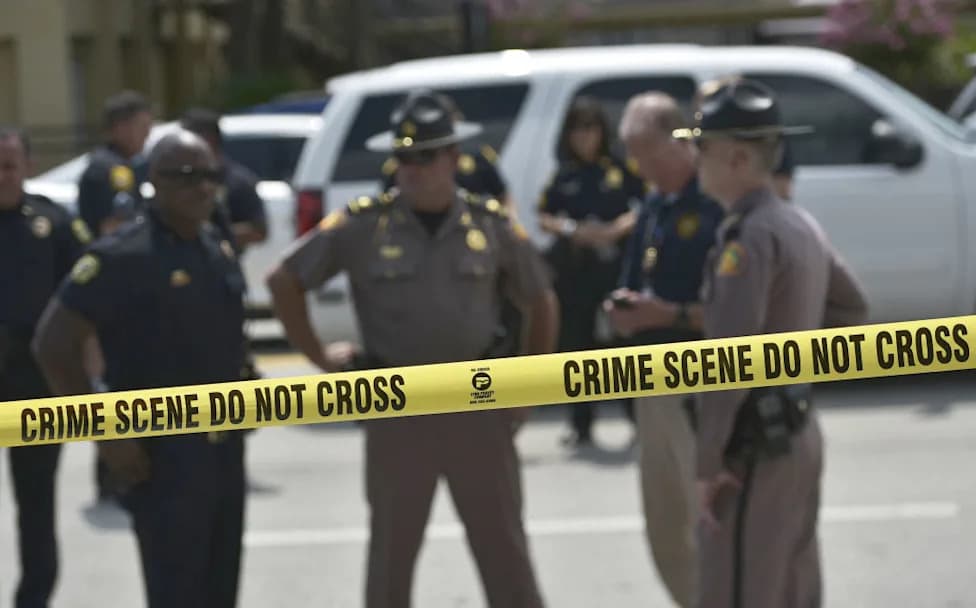
Police stand behind a crime scene tape near the mass shooting at the Pulse nightclub on in Orlando, Fla. on June 12, 2016. —Mandel Ngan—AFP via Getty Images
When a mass shooting rips through an American community, the immediate death toll — 26 at Sandy Hook Elementary, 49 at Pulse nightclub, 58 in Las Vegas — becomes the number everyone remembers. But recent research shows the human cost spreads beyond the scene in less visible ways. A JAMA Psychiatry study finds a measurable rise in traffic fatalities nationwide in the day after the country’s deadliest shootings, suggesting stress, distraction, and heightened attention may have deadly downstream effects.
Study Design and Data
The researchers combined a federal database that records every fatal crash on U.S. roads with FBI data on mass shootings over a 15-year period. For each incident, they compared traffic deaths on the day before the shooting with deaths on the day after. Google search data and media metrics confirmed that national attention typically peaks the day after a high-profile shooting, so that day was chosen as the key window for detecting any immediate behavioral effects on driving.
Key Findings
The results were sobering. Across the 10 mass shootings with the highest fatalities, traffic deaths rose by an average of 14.3% on the day after the incident — roughly 20 additional deaths nationwide. Put another way, the extra road deaths amounted to about 75% of the shootings' on-site fatalities.
To test whether this could be a coincidence, the team ran 10,000 placebo tests using randomly chosen dates. A spike as large as the observed one appeared only once in 10,000 iterations, indicating the effect was highly unlikely to be due to chance. The increase in road deaths was consistent across driver types, regions, and weather conditions and occurred even in states far from the shooting locations, which weakens explanations tied solely to local disruptions like road closures or emergency response. By contrast, active-shooter incidents that produced no fatalities — and drew substantially less public attention — did not show a comparable rise in traffic deaths.
Limitations
The study cannot identify a single causal mechanism or connect any individual crash to a specific driver’s emotional state. Plausible contributors include nationwide grief and anxiety, drivers distracted by news alerts and social media, or other behavior changes after a high-profile event. The analysis measures a statistical association and its timing; it does not prove which mix of factors produced the observed increase.
Implications
The findings underline that the toll of a mass shooting is larger than the headlined fatality count. Hidden consequences — from increased antidepressant prescriptions to accidental firearm deaths and, as shown here, additional traffic fatalities — broaden the human and social cost. Recognizing these indirect effects can help shape more informed responses in the media, policymaking, public health, and community support, and it highlights the need to consider how national stressors can affect everyday risks like driving.
Bottom line: The immediate headline number understates the full loss. Mass shootings ripple through the country quickly, and some of that ripple appears in a measurable, tragic rise in road fatalities.
Help us improve.