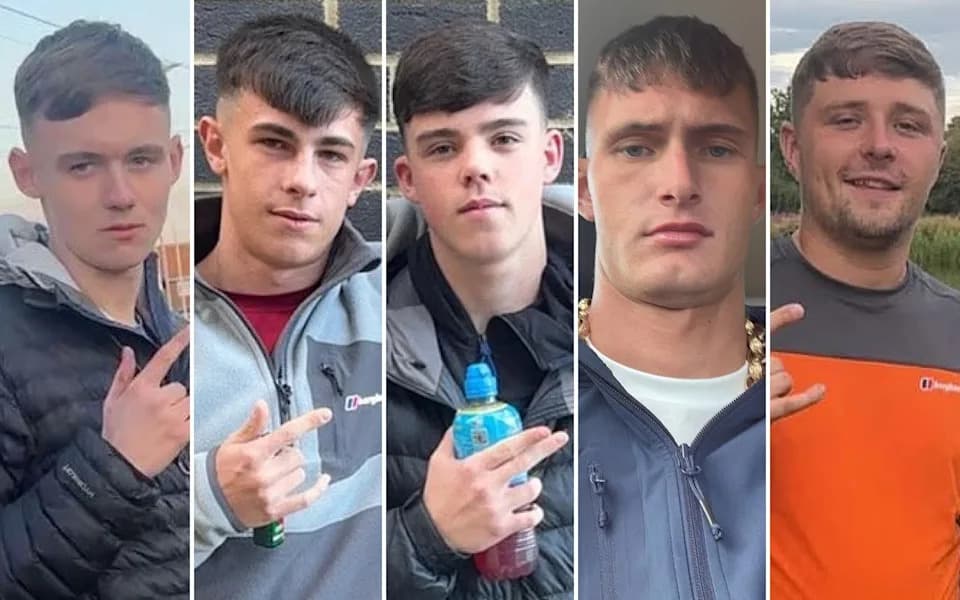
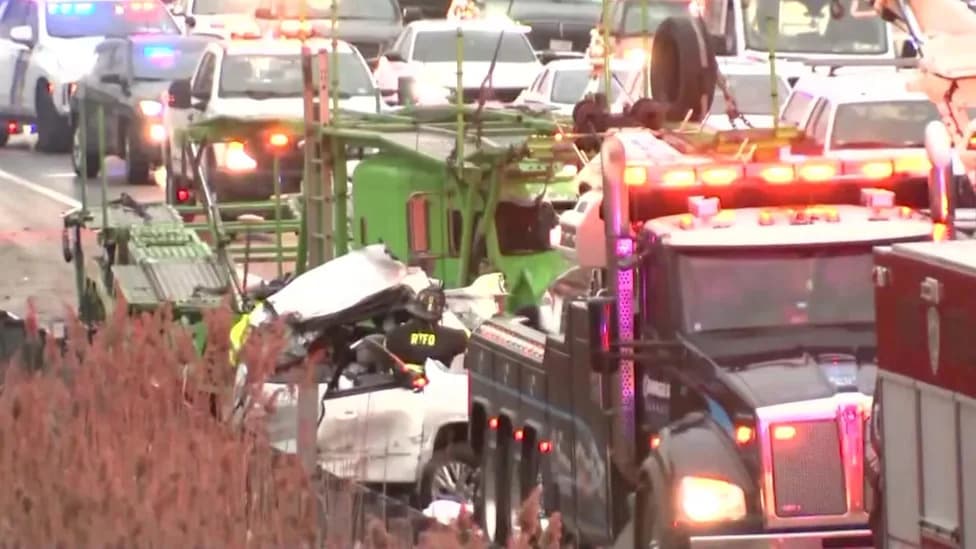
Researchers at Harvard Medical School analyzed over 230,000 U.S. fatal crashes (2017–2022) and found about a 15% rise in traffic deaths on the biggest single-day album release dates. Spotify streams surged up to 43% on release days (roughly 86M to 123M daily streams), and the authors estimate an average of about 18 additional deaths nationwide per major album drop. The increases were largest among solo drivers, younger men, in clear weather, and in newer cars (2016+). The study shows a strong association but not definitive causation; experts recommend queuing music before driving.
Study: Major Album Drops — Including Taylor Swift’s 'Midnights' — Linked to About 15% Rise in U.S. Traffic Deaths
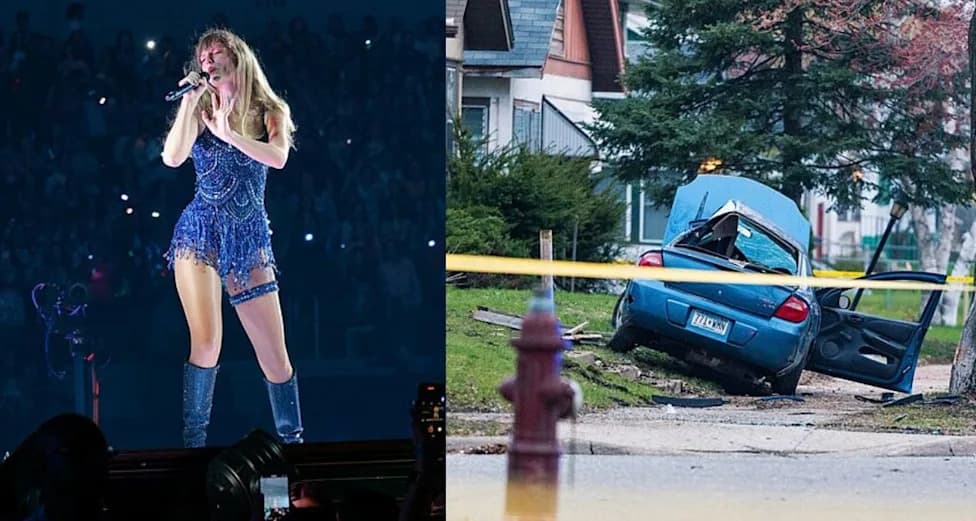
Taylor Swift plays songs from her 'Midnights' album during her Eras Tour, and a car wreck in Minneapolis, MN.
A new analysis suggests that the moment many fans rush to stream a highly anticipated album may have a hidden cost on the roads. Researchers found a strong statistical association between major single-day album releases and increases in fatal motor vehicle crashes across the United States.
What the Study Did
The study, published in JAMA Network Open and led by investigators at Harvard Medical School, examined more than 230,000 fatal motor vehicle crashes from 2017 through 2022. The team compared crash dates with the ten largest one-day streaming album releases in history — including Taylor Swift's 'Midnights', Drake's 'Certified Lover Boy' and Bad Bunny's 'Un Verano Sin Ti' — and measured changes in streaming activity using Spotify data.
Key Findings
On major release days, especially those from global superstars, U.S. traffic fatalities were about 15% higher than expected. Spotify streams rose by as much as 43% on release days, from an average of roughly 86 million daily streams to over 123 million. After controlling for weather, holidays and other confounders, the model estimated roughly 18 additional traffic deaths nationwide on a typical big album drop day.
Who Was Most Affected?
The demographic and situational patterns point toward distracted driving as a plausible mechanism:
Solo drivers experienced larger fatality increases than vehicles with multiple occupants — consistent with drivers handling audio duties alone.
Younger male drivers — who stream music more frequently — showed the largest risk increases.
Clear weather days had bigger spikes than rainy or poor-weather days, suggesting drivers fiddle with apps when road conditions feel easier.
Surprisingly, vehicles manufactured in 2016 or later showed larger relative increases, possibly because integrated infotainment systems and touchscreens make it easier to interact with streaming during driving.
Limitations and Takeaway
The authors stress that these results show a strong association rather than proven causation. Proving a direct causal link would require linking infotainment-panel interactions to specific crashes. Still, the study highlights how synchronized, nationwide spikes in smartphone and streaming use can create shared distractions on roads.
Practical takeaway: Queue new albums and playlists before you start driving, or wait until you are parked. Enjoy the music — but not at the expense of road safety.
Note: The study uses national US crash data and streaming metrics; findings reflect statistical associations observed across those datasets.
Help us improve.