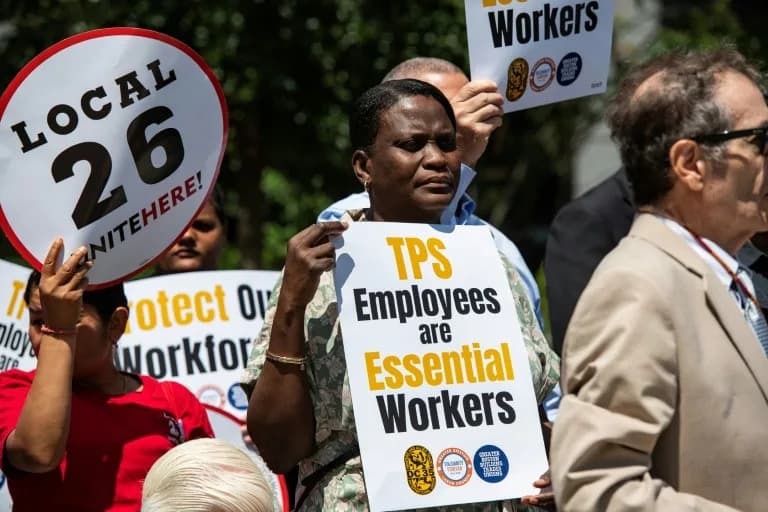
Summary: Communities with large Haitian populations report growing fear and disruption after courts allowed the end of Temporary Protected Status for roughly 350,000 people. Many received DHS letters requiring check-ins and were fitted with GPS ankle monitors, while advocates report detentions in multiple states. Employers say the sudden loss of Haitian workers—including more than 150 at one Florida resort and over 50 at a Massachusetts senior center—has strained businesses and health-care providers. Affected families and legal clinics are overwhelmed, and many say returning to Haiti is not a safe option.
Ankle Monitors, Arrests and Lost Jobs: How Ending TPS Upended Haitian Communities in the U.S.
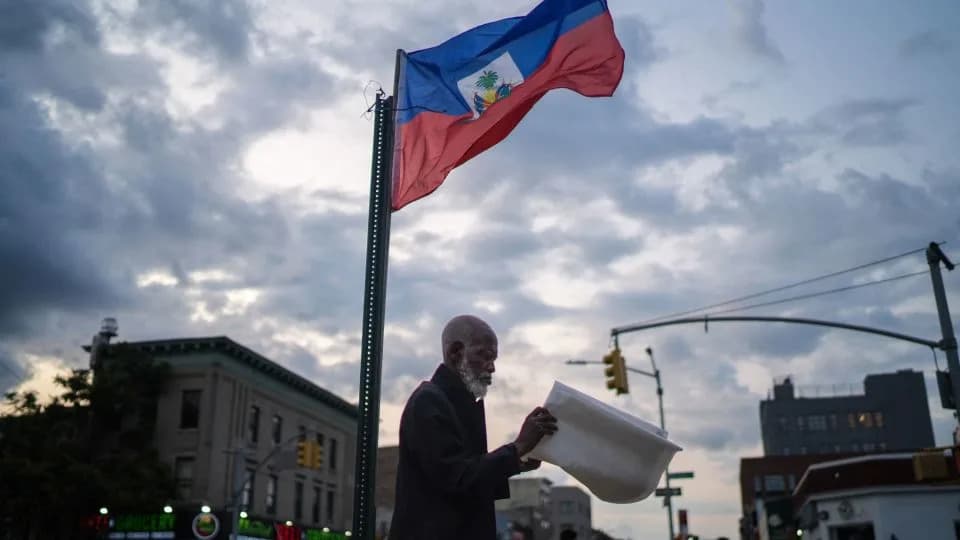
The streets of Little Haiti in Brooklyn, New York, have been noticeably quieter since the recent end of protections that allowed hundreds of thousands of Haitians to work legally in the US. - Ryan Murphy/AFP/Getty Images
Communities across the United States with large Haitian populations say they are facing a new, unsettling reality after federal courts cleared the way for the administration to end Temporary Protected Status (TPS) for roughly 350,000 Haitians. In multiple cities, people report Department of Homeland Security letters, mandatory check-ins, GPS ankle monitors and an atmosphere of fear that has driven many to stay home and stop working.

Co-Founder and Executive Director of Haitian Community Help and Support Center Vilès Dorsainvil says many have felt humiliated by the ankle monitors authorities are now issuing. "These are things that should be put on criminals," he says. - Jim Vondruska/REUTERS/REUTERS
What Communities Are Experiencing
Local advocates describe widespread anxiety: a nurse in Boston who can no longer work at a leading hospital and fears leaving her home; a mother in Springfield, Ohio, reporting her daughter is "completely traumatized"; and residents in parts of eastern Maryland finding cars abandoned at gas stations. In Salisbury, Maryland, community groups say detentions have occurred in parking lots and other public areas where immigrants gather.

Philbert Viaud, a Haitian resident of Columbus, Ohio, departs an ICE Enforcement and Removal Operations field office with an ankle monitor after an appointment in Cincinnati on August 2. - Carolyn Kaster/AP
"Now we have no protection. Anything can happen any time," said Vilès Dorsainvil, co-founder and executive director of the Haitian Community Help and Support Center in Springfield.
Letters, Check-Ins and Ankle Monitors
Hundreds of residents report receiving DHS notices instructing them to report for an "official matter." Many who complied say they were fitted with ankle monitors and given immigration court dates. Advocates note that these devices are part of ICE's "alternatives to detention" program, but for many Haitians the monitors carry a humiliating and traumatic symbolism tied to a history of enslavement.
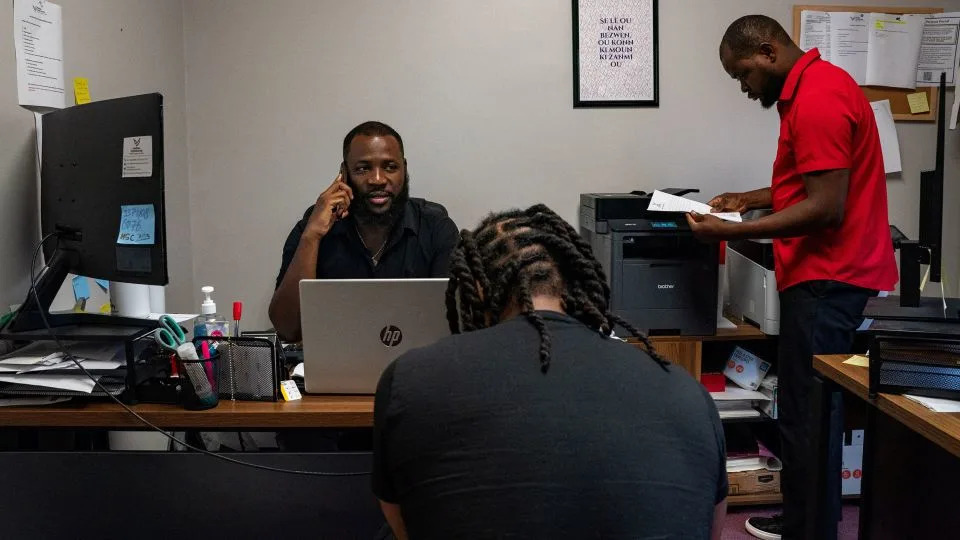
James Fleurijean, administrative assistant at the Haitian Community Help and Support Center in Springfield, helps a Haitian immigrant on August 3 before his mandatory immigration check-in later in the week as Dorsainvil, right, reviews paperwork for another case. - Seth Herald/Reuters
Federal Enforcement and Official Statements
Federal officials have declined to provide detailed public updates on enforcement operations. Homeland Security Secretary Markwayne Mullin has said operations targeting former Haitian TPS holders are underway and urged self-deportation as an option. Advocates counter that for many Haitians returning to Haiti is not viable because of ongoing violence, instability and economic collapse following years of crisis.

An attendee holds a sign during a rally at Brooklyn Borough Hall in New York, on July 9. Protesters called for Congress to pass a measure that would extend TPS for Haitians. - Michael Nagle/Bloomberg/Getty Images
Reports of Arrests and Geographic Spread
Advocacy groups say they have received reports of detentions in multiple states — including Arizona, California, Indiana and Maryland. Enforcement activity reportedly accelerated in late July and has continued into August, according to sources familiar with the operations and community groups monitoring the situation.

Members of the Word of Life Center, a church and hub of the Haitian community, sing and pray August 2 during a service in Salisbury, Maryland. - Luis Andres Henao/AP
Economic and Social Consequences
Employers and industry groups report immediate labor losses. The American Business Immigration Coalition said member employers have lost hundreds of Haitian workers, including a Florida resort that lost more than 150 staff members and a Massachusetts senior center that lost more than 50 employees. Healthcare facilities, eldercare providers and agriculture operations report increased strain and staffing shortages, and local businesses in Haitian neighborhoods say foot traffic has dropped dramatically.
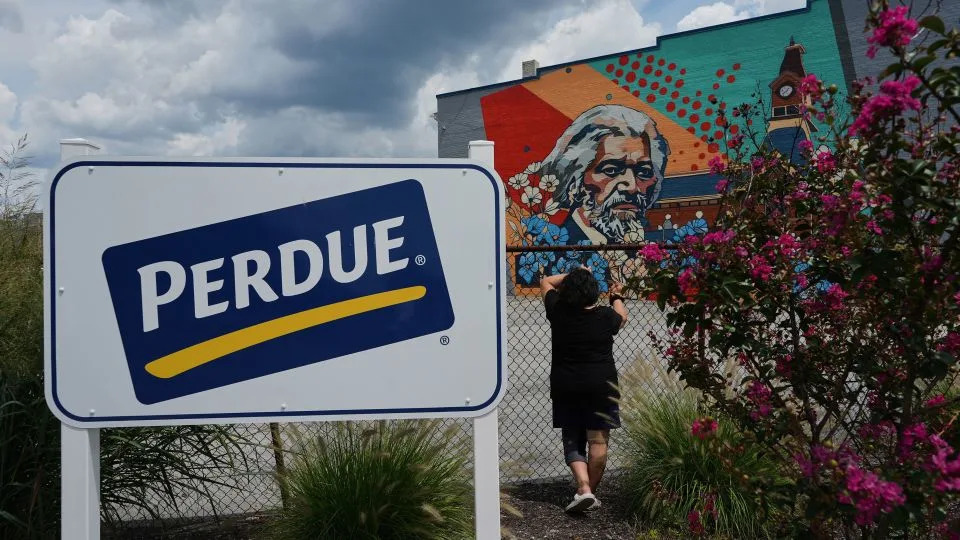
A Honduran woman poses for a portrait outside a Perdue Farms poultry plant in Salisbury, Maryland, where she worked for more than two decades before losing her job last year after her TPS expired. - Luis Andres Henao/AP
Human Toll and Community Response
Community organizations, legal clinics and faith groups say they are overwhelmed by calls for help. Paralegals and advocates describe callers in tears, desperate for legal guidance and emotional support. Many affected people emphasize that returning to Haiti is not a realistic option because of gang violence, the breakdown of public services and economic collapse.
As legal battles and enforcement proceed, local leaders continue to push for congressional or administrative remedies while trying to provide immediate legal help, social services and counseling to those most affected.
Where Things Stand
At the time of reporting, federal authorities had not published comprehensive detention statistics tied to former TPS holders, and deportation-flight trackers reported no flights to Haiti in the two weeks prior to this coverage. Advocates warn enforcement is ongoing and that numbers could grow. Meanwhile, communities are coping with the immediate social, economic and psychological impacts of the policy change.
Key Sources: Interviews with community leaders, advocacy groups, affected individuals and public statements from the Department of Homeland Security and Homeland Security Secretary Markwayne Mullin.
Help us improve.