
Armed Bedouin clans in Gaza have played a notable role since the ceasefire, helping secure the Yellow Line and exposing weapons caches and tunnel infrastructure while reportedly inflicting losses on Hamas. Their operations are deliberately low-key, but Israeli authorities are divided over what to do next. The US-backed Peace Council favors disarmament and return to Palestinian territory, while some security officials propose keeping selected clans under IDF protection. Officials warn disarmament without alternatives could fuel smuggling or a security vacuum.
Armed Bedouin Clans in Gaza Inflict Heavy Losses on Hamas — Create ‘Day After’ Dilemma for Israel
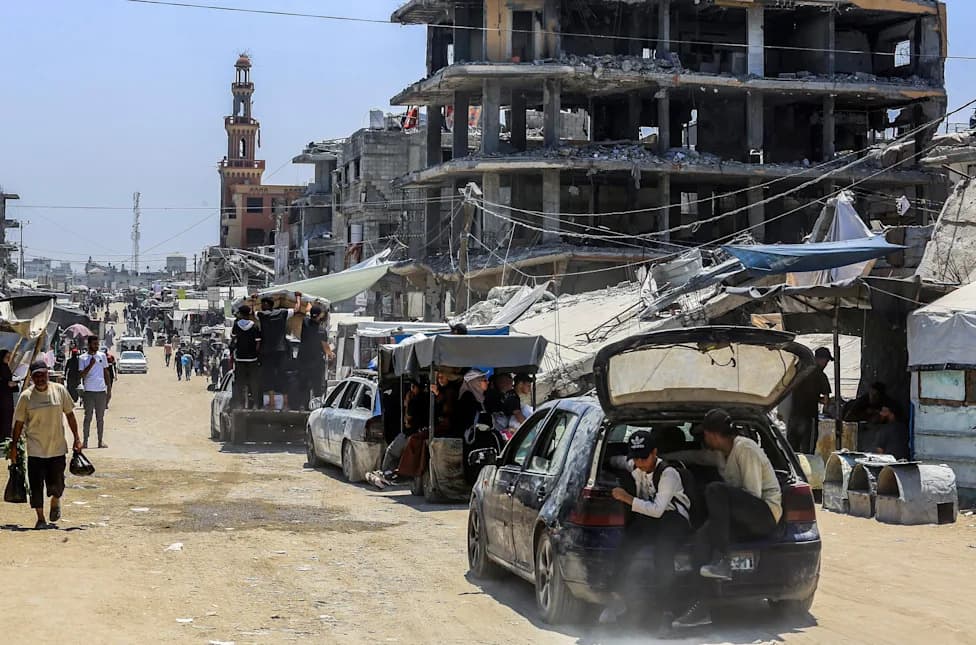
Palestinians live among buildings destroyed during the recent war in Khan Yunis, in the southern Gaza Strip, July 31, 2026. (photo credit: ABED RAHIM KHATIB/FLASH90)
Armed Bedouin clans in the Gaza Strip have emerged as a significant local force since the ceasefire, helping to secure the so-called Yellow Line and the territory to its west while assisting security forces in locating weapons caches and both aboveground and underground infrastructure linked to militant activity.
Clans’ Role During and After the Fighting
Security officials told reporters that at the height of hostilities the clans engaged Hamas’s military wing directly and inflicted notable casualties. Their operations have been described as deliberately discreet and locally focused, aimed at avoiding public exposure while undermining militant capabilities.
“The activity of the anti-Hamas clans is intimate, kept in the shadows, and that is a good thing,” a senior security official said. “It is very effective and is proceeding according to plan.”
Growing Political and Security Debate
There is no consensus inside Israel’s security and political establishments about how to handle the clans once the immediate conflict phase ends. Some security officials favor keeping certain clans under IDF operational responsibility inside the Yellow Line to protect them from reprisals and to preserve local stability. Others — notably senior members of the Peace Council, backed by the United States — argue the clans should be disarmed and returned to Palestinian-administered areas as part of any future IDF withdrawal to the established border line.
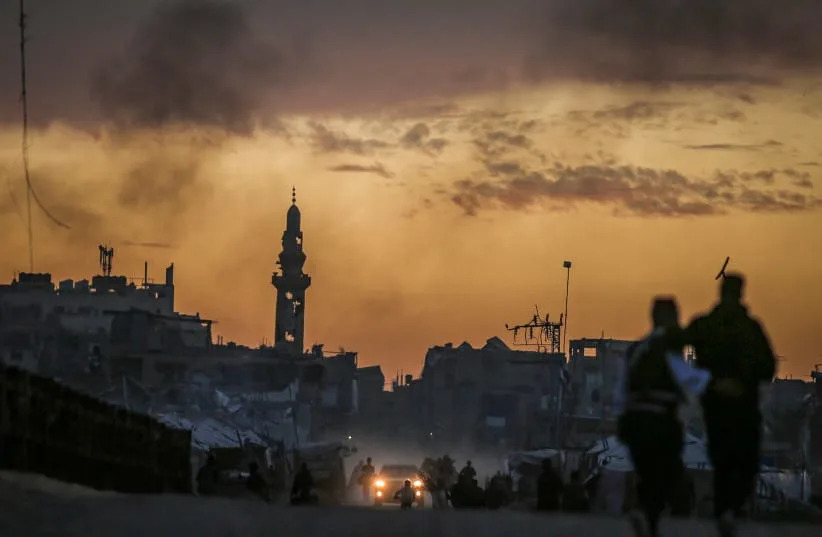
Palestinians are seen near their tents at sunset in Gaza City, February 12, 2026 (credit: Ali Hassan/Flash90)
Officials describe the decision as a political "minefield." One security source warned that disarming the clans without a viable alternative could drive some members back to illicit activity, such as smuggling, or leave a security vacuum that Hamas or other groups could exploit.
Historical Context
Reporting from September 2025 indicated that during intense ground operations the clans demonstrated localized control in the areas where they live. Southern Command sources said clans deployed hundreds of operatives at neighborhood entrances to push back Hamas security forces and to defend communities from units such as the so-called "Arrow Unit," which officials accuse of arrests, assaults and killings of suspected collaborators.
Current Coordination and Options
For now, daily coordination continues between the IDF, other Israeli security bodies, U.S. officials and the Bedouin clans. Planners say that, despite the debate, no formal plan has been proposed to relocate the clans into Israeli territory. The options on the table range from formal disarmament and reintegration to limited protection arrangements under Israeli operational control — each with significant legal, political and security trade-offs.
Why it matters: The clans’ actions have tactical value in degrading militant capabilities and securing local areas, but their future role raises difficult questions about sovereignty, accountability and long-term stability in Gaza.
Help us improve.





















