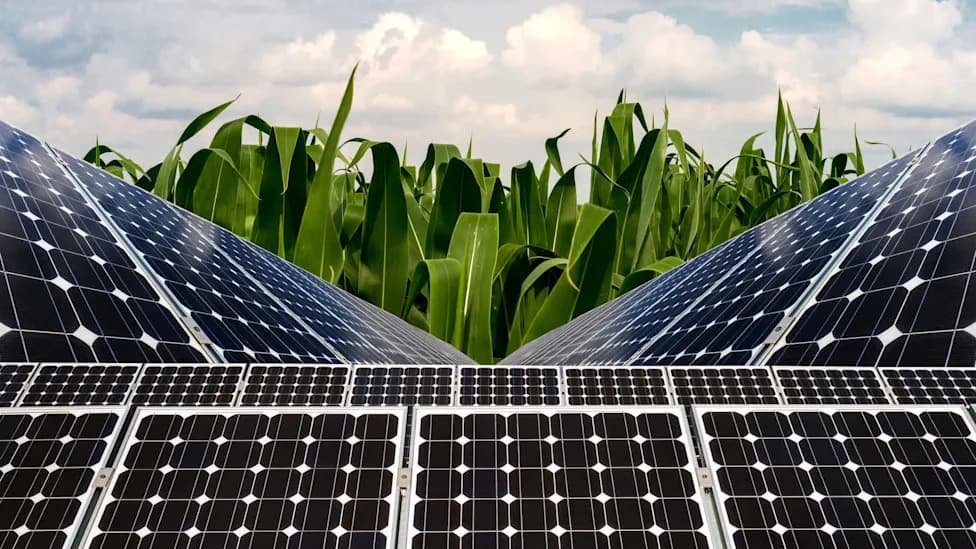
Jack's Solar Garden in Longmont, Colorado, installed 3,276 solar panels across part of a 24-acre farm, producing about 2 GWh of electricity annually and selling it to a nearby utility. The shaded array creates cooler microclimates that help temperature-sensitive crops such as flax and clary sage by lowering ground temperatures and conserving soil moisture. Agrivoltaics can diversify farm income and reduce greenhouse gas emissions, though high installation costs and operational challenges remain.
Solar Shade Boosts Crops and Cash at Jack's Solar Garden
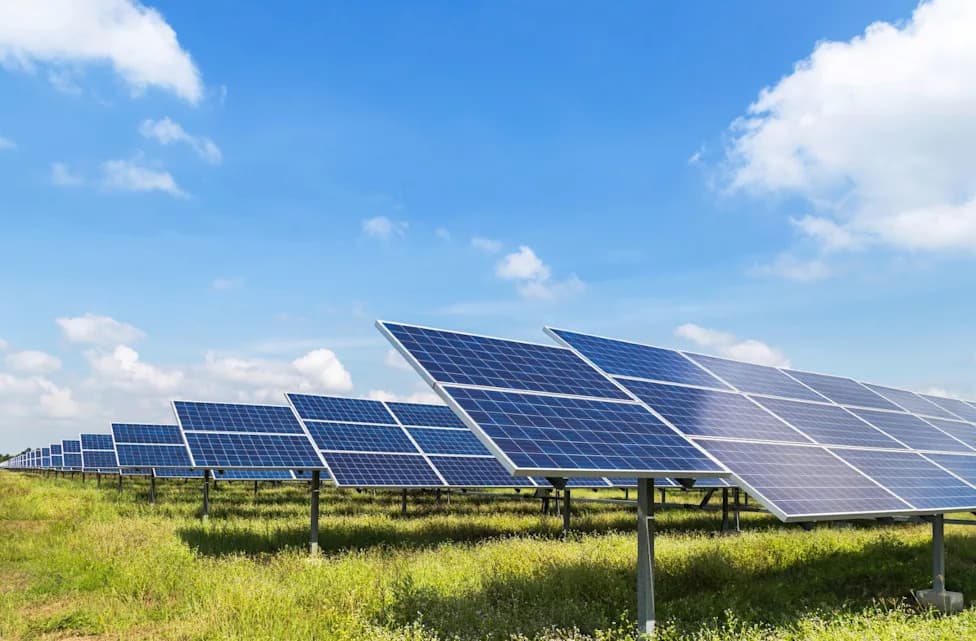
Photo Credit: iStock
On a farm near Longmont, Colorado, an agrivoltaic installation is doing double duty: generating renewable electricity and creating cooler, moister microclimates that help heat-sensitive crops survive. Byron Kominek, owner of Jack's Solar Garden, has installed 3,276 solar panels across part of his family's 24-acre property, showing how farmland can be used for both food production and power generation.
Power Production and Farm Revenue
The array produces roughly 2 gigawatt-hours (GWh) of electricity per year, which Kominek sells to a nearby utility. That steady revenue stream helps offset rising energy costs and the financial risks farmers face from drought and hotter seasons driven by climate change.
Shade, Cooler Microclimates, and Crop Benefits
Beyond electricity, the panels shade the ground and reduce direct solar radiation, creating cooler microclimates beneath the array. This can lower soil and air temperatures locally and improve soil moisture retention—advantages that are especially valuable in hot, dry regions.
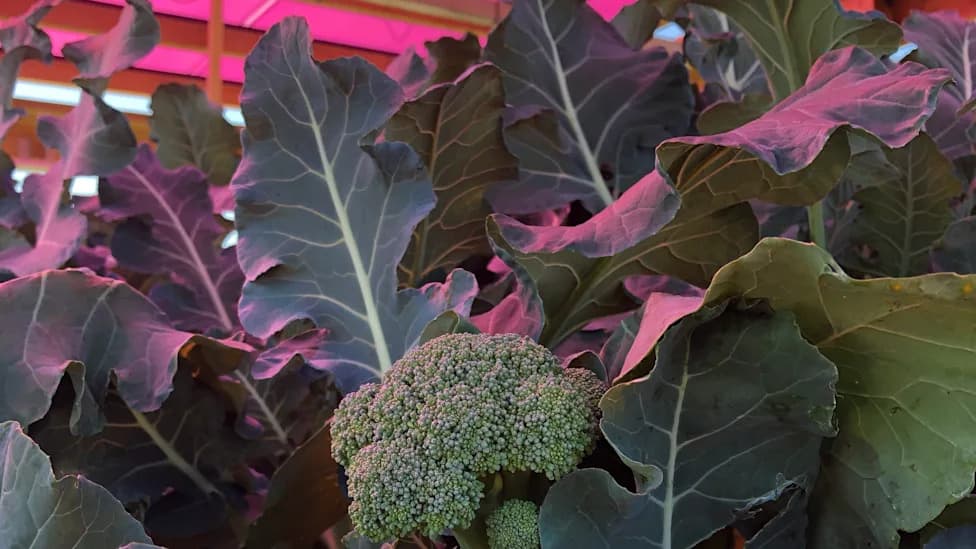
Kominek reports concrete benefits for specific crops: flax, which germinates best at about 65–70 °F, and clary sage, which can wilt when temperatures exceed roughly 95 °F. These examples illustrate how carefully sited panels can protect temperature-sensitive plants and potentially improve yields.
Research and Practical Challenges
Jack's Solar Garden is also part of ongoing research into which crops perform best under panels and how to optimize mixed-use systems. Early findings help guide layout, planting choices, and farm management techniques for agrivoltaics.
However, agrivoltaics has practical hurdles: the metal framework and panel supports can complicate field operations, and upfront installation costs are significant. Kominek estimates the site’s more than 3,000 panels cost about $2 million to install.
Ways Farmers Can Benefit Without Large Upfront Costs
Farmers do not always have to buy panels outright to benefit. Some solar projects lease grazing rights to local producers, allowing sheep or cattle to graze under panels. This approach provides additional income for farmers and helps maintain vegetation under arrays. In some regions, "solar shepherds" reportedly earn two to three times what traditional shepherding brings.
Global Examples and the Bigger Picture
Similar initiatives are emerging worldwide. China's Gonghe Photovoltaic Park has been associated with improved growing conditions in previously barren desert areas, while floating solar farms in the Netherlands have been paired with ecological measures—such as Biohuts under panels—to support aquatic life.
As climate pressures grow, agrivoltaic projects like Jack's Solar Garden offer a replicable model for combining food production with clean energy. By diversifying income and making crops more resilient to heat and drought, these dual-use systems could strengthen farm economics and local food security.
Help us improve.