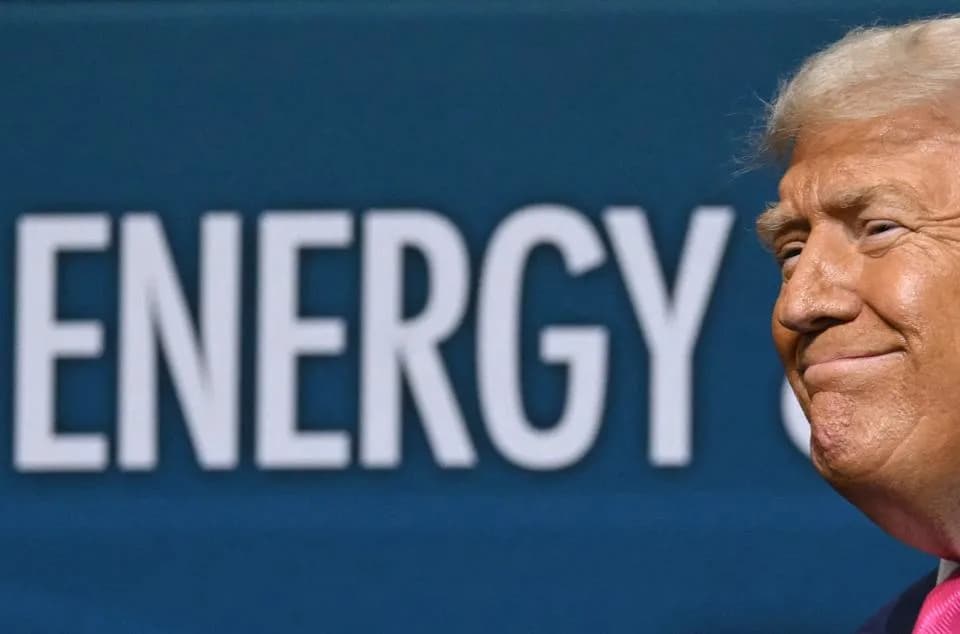
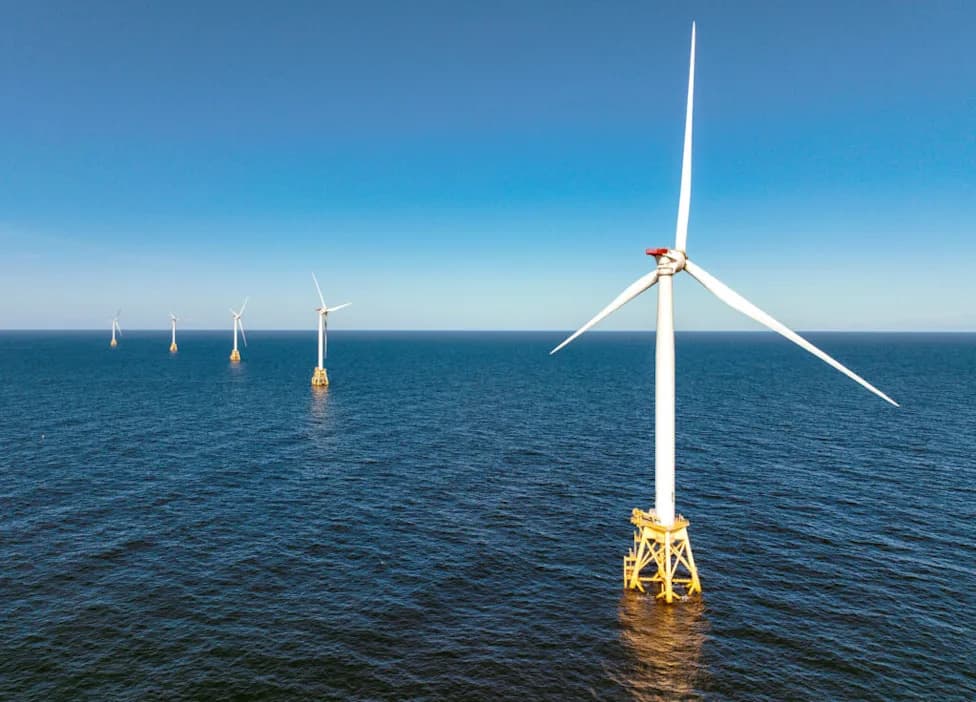
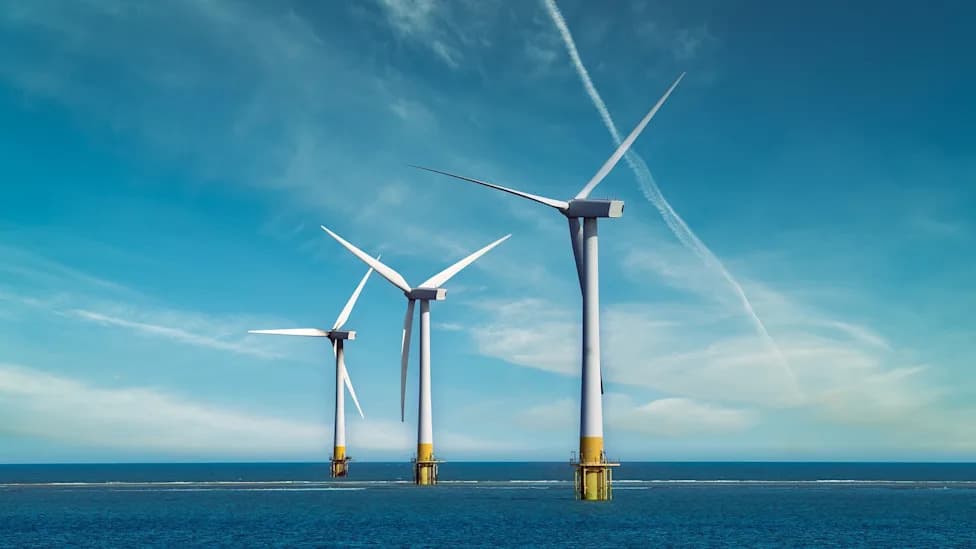
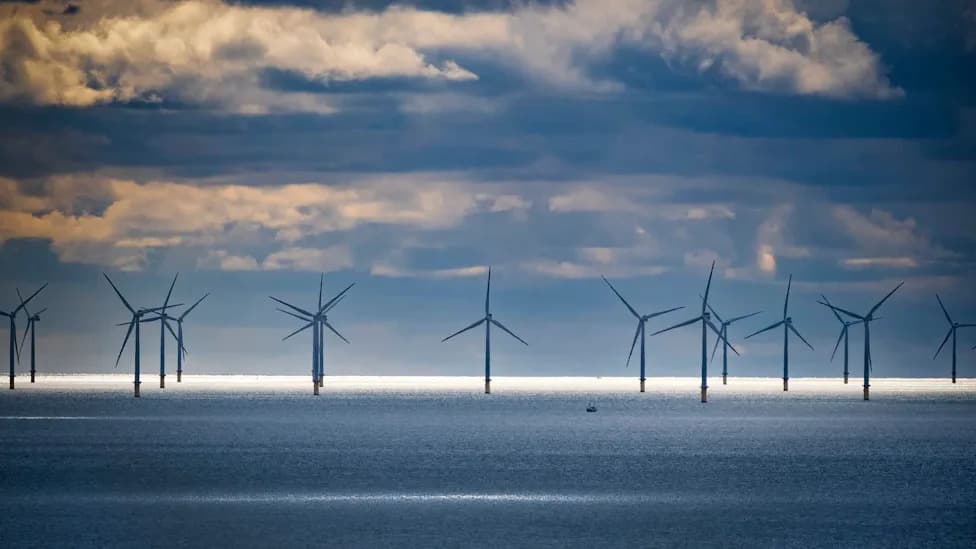
On his first day back in office, President Donald Trump declared a national energy emergency, saying the United States lacked sufficient power supplies. Eighteen months later, the administration has agreed to nearly $4 billion in taxpayer-funded settlements that have led developers to abandon planned offshore wind projects — several gigawatts of potential clean generation at a time of rising electricity demand.
What Happened
On August 6, the Department of the Interior agreed to pay German utility RWE $1.22 billion to relinquish three federal offshore wind leases off New York, California and Louisiana. Estimates place the potential capacity of those sites between about 3.9 GW in near-term plans and nearly 6 GW at full build-out — enough to power well over a million homes. RWE said it saw "no path forward to permit the projects for the foreseeable future."
The settlement requires RWE to direct $900 million toward a liquefied natural gas (LNG) project in Louisiana and $300 million toward gas turbines. RWE also reports it has a pipeline of 15 gas peaker projects in the U.S. This is one of five major reimbursements in under six months: TotalEnergies, Golden State Wind, Bluepoint Wind, Invenergy and Duke Energy received similar payments, bringing the total close to $4 billion, according to the Associated Press.
The Administration's Rationale
Reliability: Wind is intermittent, so the grid needs dispatchable power.
Cost: Offshore wind can be more expensive and often relies on subsidies or long-term contracts.
Environmental & Local Concerns: Officials cite harms to views, wildlife and fisheries.
Legal Risk: Settling avoids protracted litigation and possible larger payouts.
Why Those Arguments Fall Short
Reliability: Backup is real, but these deals do more than secure dispatchable capacity — they remove clean generation and lock in fossil alternatives that will run more often. Battery storage is increasingly proven as rapid, dispatchable capacity (for example, California batteries have supplied a large share of evening peak needs), and new grid design can integrate wind with firming resources.
Cost: While offshore wind can be costlier than onshore wind or solar, U.S. electricity bills have been rising faster than inflation. The U.S. Energy Information Administration (EIA) found higher natural gas prices were the main driver of higher wholesale electricity costs in 2025. These settlements cancel future generation while deepening dependence on gas, increasing exposure to fuel-price volatility.
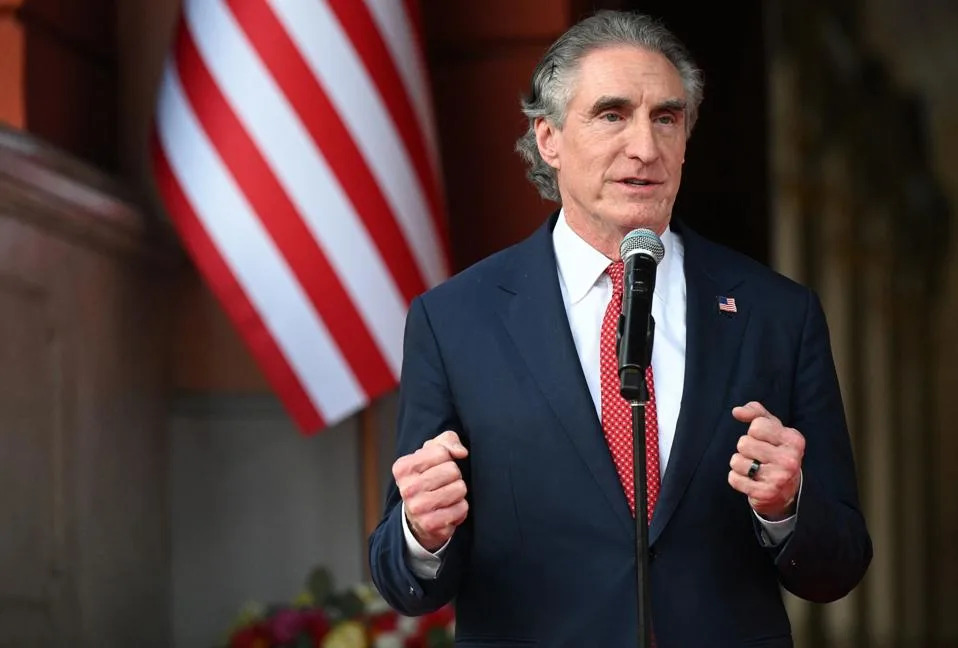
US Interior Secretary Doug Burgum (Photo by Federico PARRA / AFP via Getty Images)
Wildlife Claims: NOAA Fisheries and the Department of Energy report no evidence that offshore wind causes whale deaths; documented acute threats include vessel strikes and fishing-gear entanglement. That does not mean wind farms are impact-free — federal scientists identify risks to birds, fisheries and habitats that must be assessed and mitigated — but the asserted whale-mortality link is unsupported by the agencies charged with the science.
Self-Created Costs: The administration paused offshore-wind permitting, which stranded projects and triggered legal claims. Taxpayers are now paying to resolve the consequences of that policy decision — effectively paying twice: once through the permitting freeze and again via settlements.
Wider Context
The International Energy Agency's World Energy Investment 2026 reports global energy investment at $3.4 trillion, with $2.2 trillion going to clean energy and $1.2 trillion to fossil fuels. Clean investment exceeds fossil investment by roughly $1 trillion annually, so $4 billion is a small fraction of global clean spending (roughly 0.2% of one year’s clean-energy investment). But the key cost of these deals is time: every gigawatt delayed makes meeting rising demand and emissions targets harder and likely more expensive.
RWE itself continues to build renewables in Europe and expects to expand its U.S. generating fleet from 13 GW to 22 GW by 2031. In many cases, investment migrates to markets with clearer permitting and predictable policy, taking jobs and supply-chain activity with it.
Conclusion
The administration declared an energy emergency and then authorized nearly $4 billion in settlements that cancel planned clean generation while steering much of the money toward LNG and gas projects. The net result is less clean capacity, more fossil dependence and greater exposure to volatile fuel markets — outcomes that conflict with the stated emergency rationale.
Public officials who approved these deals should be asked publicly: "You declared an energy emergency. Why did you pay $4 billion for less energy?" Record the sums, name the beneficiaries, and demand clear answers: time lost cannot be bought back.