Water systems can be both a source and a solution for climate change. Nature-based approaches—wetlands, mangroves, seagrasses, rainwater harvesting—and biological treatments can clean water, store carbon, reduce flood risk, and support biodiversity. Ocean-based methods (fertilization, alkalinity enhancement, algae cultivation) offer large-scale potential but face scientific uncertainty and ecological risks. Successful deployment requires credible monitoring, governance, protection of existing habitats, community support, and integration with conventional infrastructure.
Emerging Water Solutions for Carbon Reduction and Ecosystem Recovery
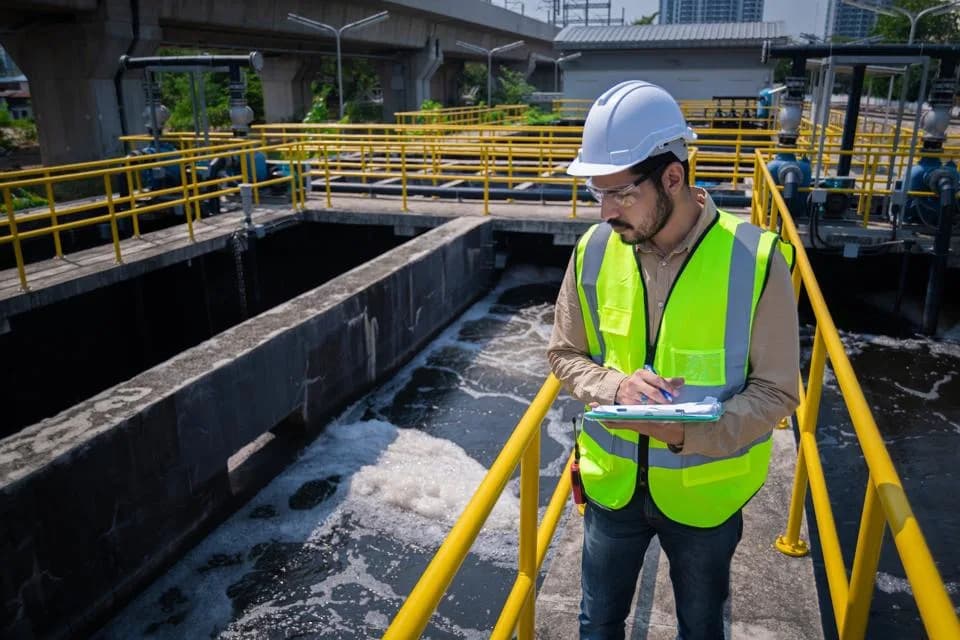
Wastewater treatment processgetty
Water systems are increasingly recognized not only as essential public infrastructure but also as powerful tools for climate mitigation, adaptation, and ecosystem recovery. From treatment plants to wetlands and coastal habitats, water-related systems can both emit greenhouse gases (CO2, CH4, N2O) and offer nature-based or engineered pathways to reduce emissions, store carbon, and improve biodiversity.
Why Water Matters for Climate
Conventional water services require energy to extract, convey, treat, and distribute water. Wastewater treatment can produce greenhouse gases when biological processes are uncontrolled. In water-stressed regions, deeper pumping and long-distance transfers further increase energy use. Reducing the carbon footprint of water systems therefore offers direct climate benefits while improving supply reliability.
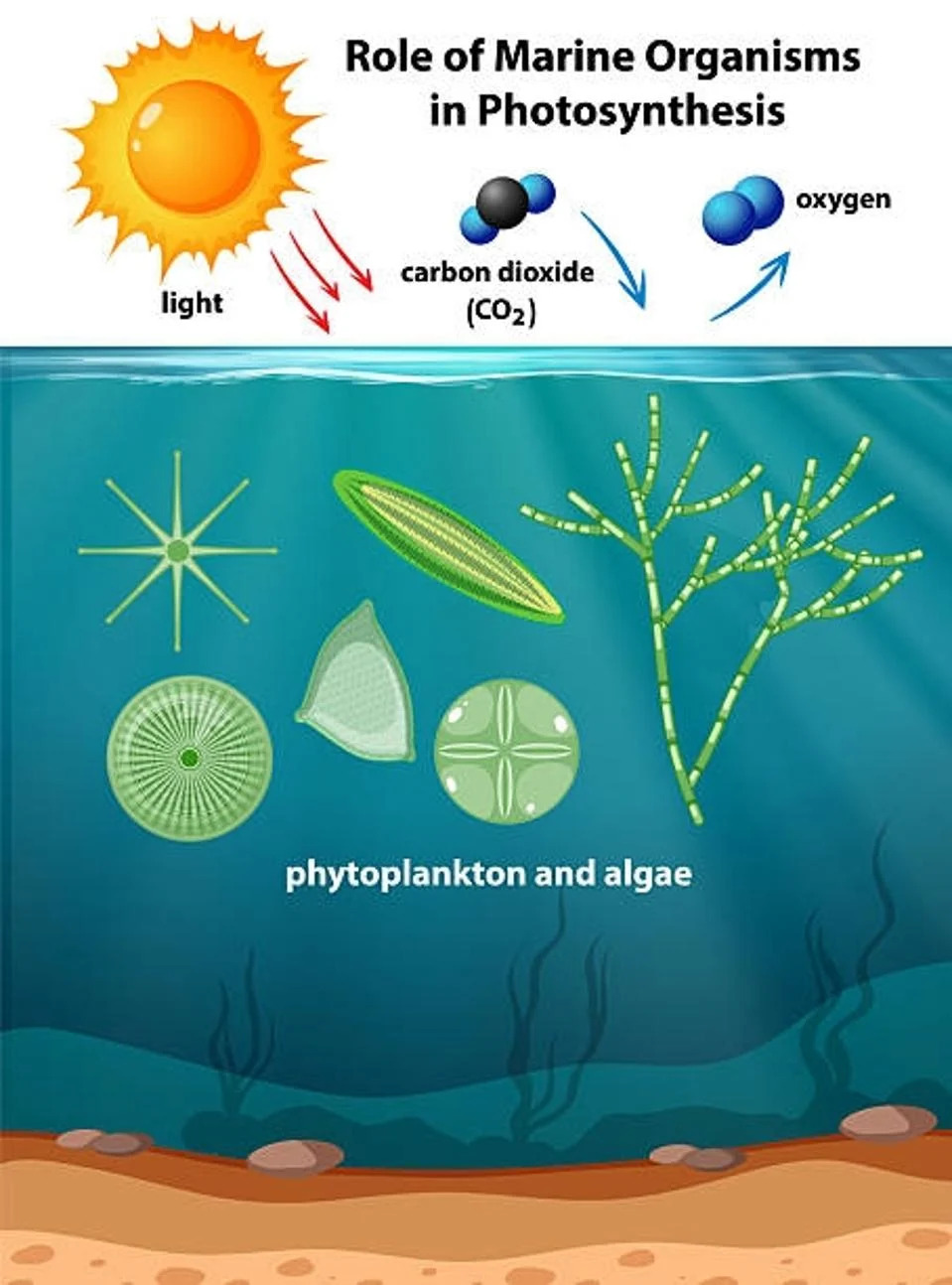
Marine Photosynthesis Process with Phytoplankton and Algae
Nature-Based and Low-Carbon Water Solutions
Wetlands—including peatlands, freshwater marshes, and swamps—store large amounts of carbon in waterlogged, oxygen-poor soils that slow decomposition. Well-managed restored or constructed wetlands also remove nitrogen and phosphorus, treat runoff, support wildlife, and reduce flood risk. However, draining or degrading wetlands can reverse their role and release stored carbon, so protection is as important as restoration.
Blue Carbon Ecosystems
Mangroves, salt marshes, and seagrass meadows sequester carbon in vegetation and sediments for centuries to millennia when undisturbed. They also provide coastal protection, improve fisheries, and trap sediments. Preventing loss of these habitats often delivers the fastest and most reliable climate benefits; restoration is possible but depends on hydrology, sediment supply, and planning.
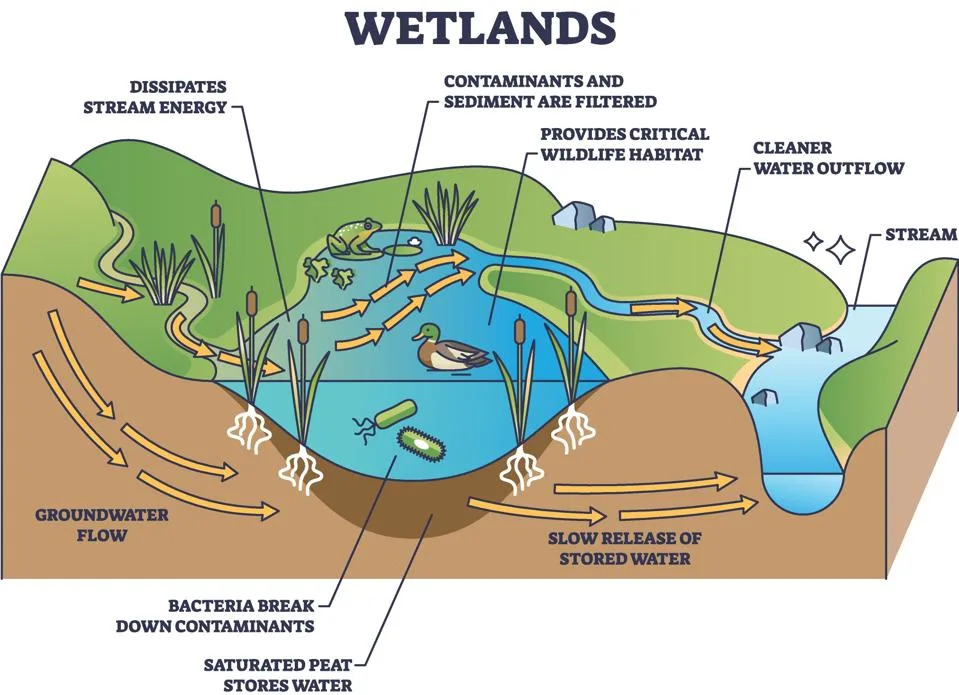
Wetland ecosystems
Ocean-Based Carbon Removal
Ocean interventions aim to enhance natural marine processes to capture atmospheric CO2. Principal approaches include:
- Ocean fertilization: Adding limiting nutrients (e.g., iron) to stimulate phytoplankton growth. While potentially large in scale, the fraction of carbon that becomes long-term sequestration is uncertain and ecological side effects are possible.
- Ocean alkalinity enhancement: Adding alkaline minerals (e.g., olivine, limestone) to increase seawater capacity to absorb CO2 and counteract acidification. Questions remain about dissolution rates, lifecycle emissions, and local ecosystem impacts.
- Algae cultivation: Growing seaweed or microalgae to capture carbon and nutrients, with harvested biomass used for food, fertilizer, biofuel, or materials. Climate benefits depend on durable storage or substitution of higher-carbon products.
All ocean approaches require rigorous experimentation, robust governance, and long-term monitoring because of large spatial scales and ecological complexity.
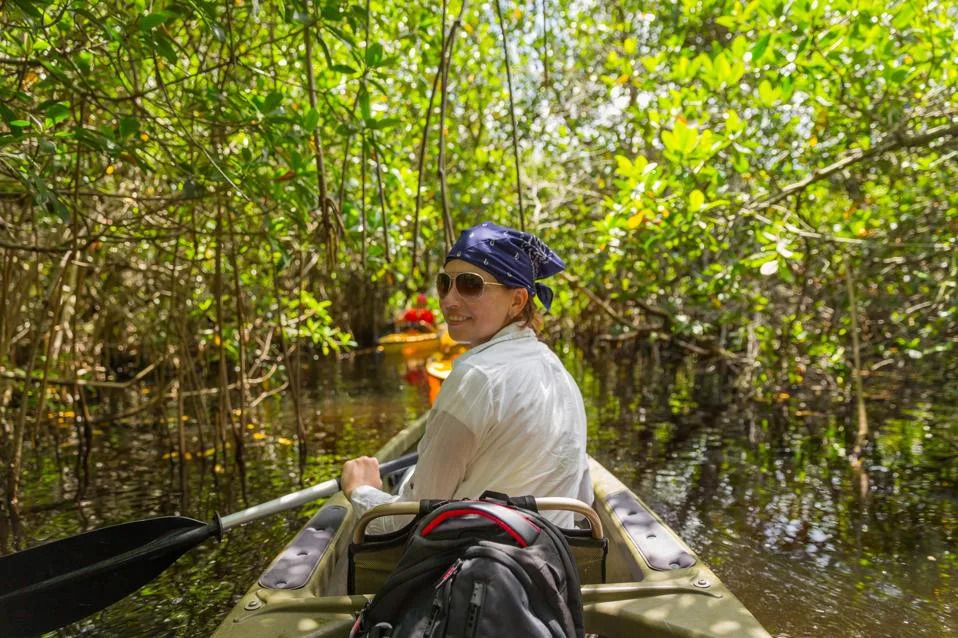
Tourist kayaking in mangrove forest in Everglades, Florida, USA
Decentralized and Biological Treatments
Rainwater harvesting reduces demand on central supplies, lowers energy use for pumping and treatment, and mitigates urban flooding by capturing runoff at source. Systems can be scaled from household cisterns to community networks, but effectiveness depends on rainfall patterns, storage sizing, and maintenance.
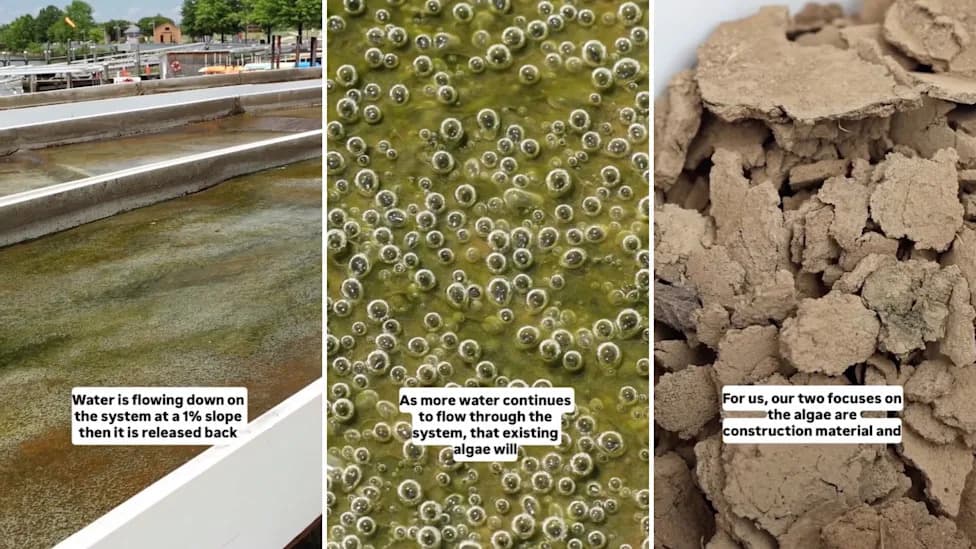
Organic and biological treatments—such as constructed wetlands, algae ponds, vermifiltration (earthworm-assisted filtering), phytoremediation, and biochar filtration—use living processes to remove contaminants while producing useful biomass or recreating natural treatment pathways. These systems often perform best as hybrids, combining biological processes with conventional filtration and disinfection to meet regulatory and quality needs.
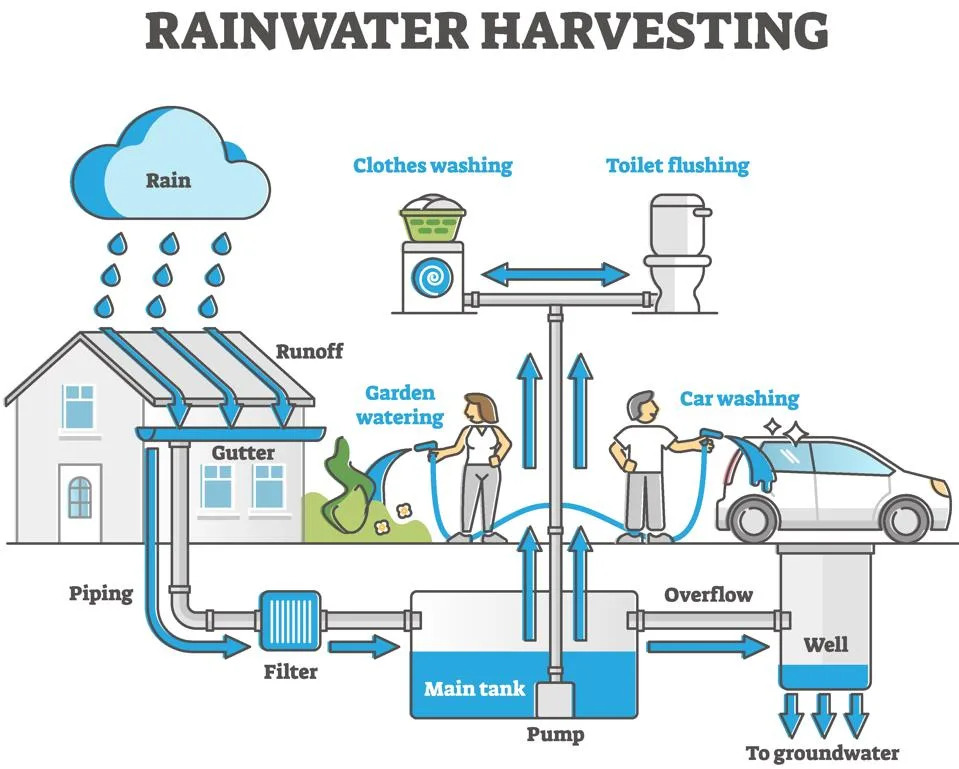
Rainwater harvesting system
Risks, Monitoring, and Implementation Challenges
Scaling these solutions depends on credible monitoring systems, clear governance, community acceptance, and rigorous evaluation of carbon permanence and ecological effects. Key implementation considerations include lifecycle emissions (mining, transport, construction), land or sea-use conflicts, long-term maintenance, and the potential for reversing stored carbon if systems are disturbed.
A Practical Integrated Strategy
Successful water strategies blend conservation, ecosystem protection, decentralized systems, efficient low-carbon treatment, and carefully evaluated carbon removal pathways. When integrated thoughtfully, water infrastructure can provide reliable service while acting as a platform for climate mitigation, adaptation, and ecosystem recovery.
Bottom line: Protect existing carbon-rich aquatic habitats, scale nature-based and hybrid treatment systems where appropriate, and treat ocean-based interventions with caution until governance and monitoring are proven.
Help us improve.