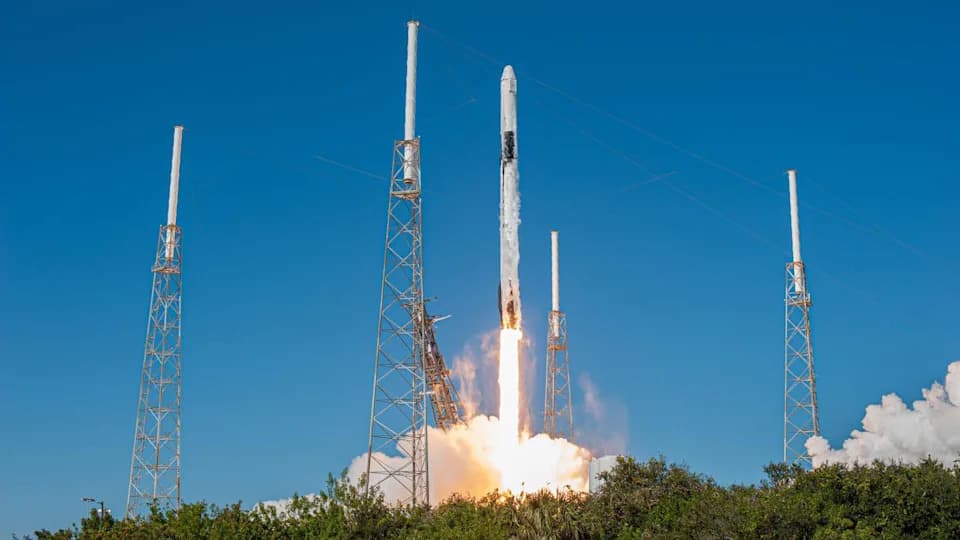
Astronauts on long ISS missions often experience dulled smell and taste in orbit, driven by microgravity-induced fluid shifts that cause chronic nasal congestion and by olfactory habituation to the station’s uniform odors. NASA screens items at its White Sands facility to prevent olfactory saturation, which can cause nausea or mask dangerous smells like ammonia or smoke. Returning to Earth typically makes natural scents intensely vivid, while other postflight issues include vestibular nausea, swollen legs and feet, fatigue, rashes, and temporary speech changes.
How Long Space Missions Change Astronauts’ Sense Of Smell — And Why Earth Smells So Intense After Reentry
NASA
Astronauts on long-duration missions to the International Space Station (ISS) have long reported surprising changes to their sense of smell and taste. Since crew rotations began in 2000, anecdotal reports describe dulled olfaction in orbit and an overwhelming intensity of everyday Earth smells after return. Although systematic research is limited, these firsthand accounts reveal consistent patterns and important safety considerations for life in a closed habitat.
What Causes Smell and Taste Changes in Orbit?
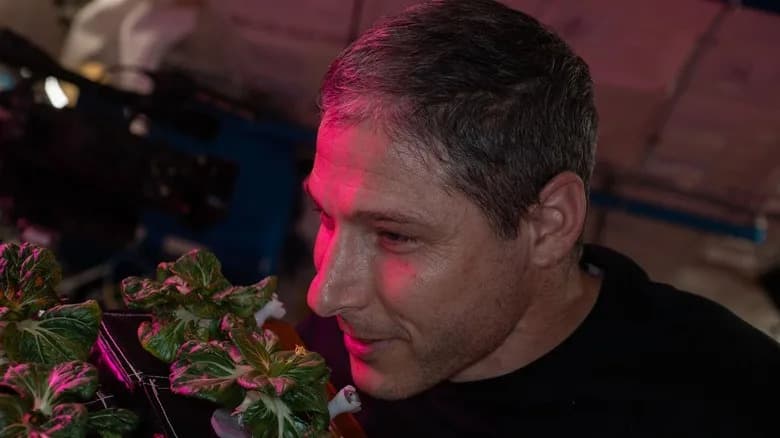
Fluid Shifts in Microgravity. In microgravity, bodily fluids redistribute toward the head. That chronic headward fluid shift often produces a sensation similar to a persistent head cold, frequently causing nasal congestion that dulls both smell and taste.
NASA
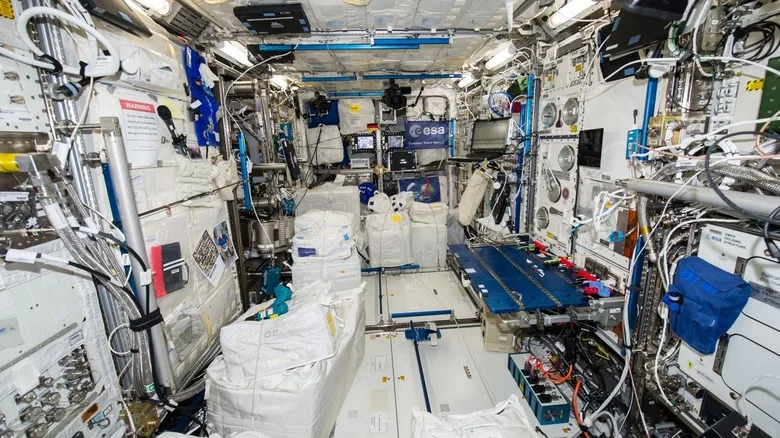
A Uniform Odor Environment. The ISS is a tightly controlled, closed environment where the same crew, supplies, and equipment produce a consistent set of odors. On Earth, our brains remain alert to ever-changing smells; on the station, the brain gradually filters out unchanging background odors, a process known as olfactory habituation.
Why That Matters
NASA actively manages onboard odors. At its White Sands testing facility, items destined for habitable ISS areas are screened to limit strong or persistent smells. This prevents olfactory saturation, a state in which prolonged exposure to unpleasant smells can cause nausea or reduce the crew’s ability to notice hazardous odors — such as ammonia leaks or smoke from a fire — that are critical to safety in a sealed environment.
NASA
Variation Among Crew Members
Not every astronaut experiences the same changes. Some report muted flavors and dulled smell, while others say certain tastes become more intense in orbit. Many astronauts also describe a unique phenomenon of smelling a distinct “space” odor on their suits or equipment immediately after spacewalks.
Reentry: The Reverse Shock
Returning to Earth often produces the opposite effect: smells and tastes that seemed muted in orbit can feel incredibly vivid, even intoxicating. Former NASA astronaut Doug Wheelock captured this feeling:
"Your sense of smell and taste are dulled in space. I craved the aroma of leaves and grass and flowers and trees. When you get back to Earth they are literally intoxicating."
Related Postflight Effects
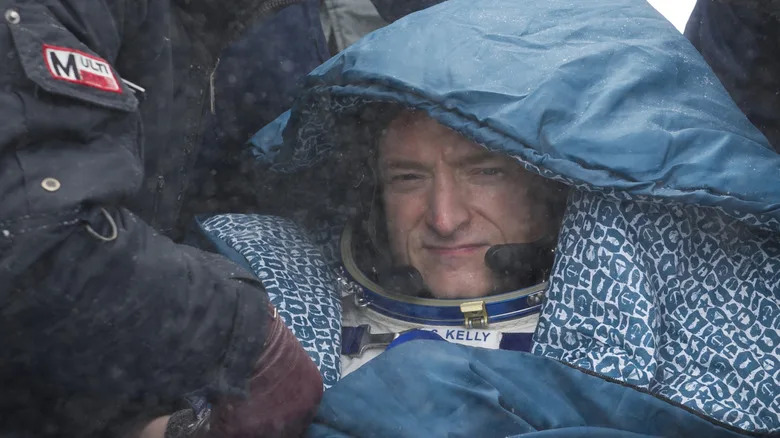
Smell and taste usually recover quickly, but other systems take longer to readapt. Long-duration flyers commonly experience vestibular nausea as their balance systems reacclimate to gravity, painful swelling in the legs and feet, fatigue, and skin irritation from renewed contact with fabrics. Astronaut Chris Hadfield also noted that he had to adjust his speech after developing what he called a "weightless tongue" in orbit.
Research and Practical Steps
Although formal studies on smell changes in space remain relatively scarce, NASA’s preflight odor screening, habitat design, and ongoing medical monitoring aim to reduce the risks that arise from olfactory changes. Crew anecdotes continue to guide operational practices and highlight how profoundly long-duration spaceflight can reshape everyday human sensations.
Help us improve.