
Dozens of the 163 Nigerians freed after six months in jihadi captivity described extreme hardship—hunger, illness, forced burials and emotional trauma—after being liberated by security forces. The captives, mainly women and children, were among more than 300 people rescued this week and received medical care in Ilorin, Kwara state. The abductions followed a Feb. 3 attack on Woro that killed over 160 people and highlighted militants' geographic expansion and the strain on Nigeria's security forces. Officials pledged stronger action, while analysts urged better intelligence and prevention.
Dozens Freed After Six Months in Jihadi Captivity Describe 'Death and Suffering'
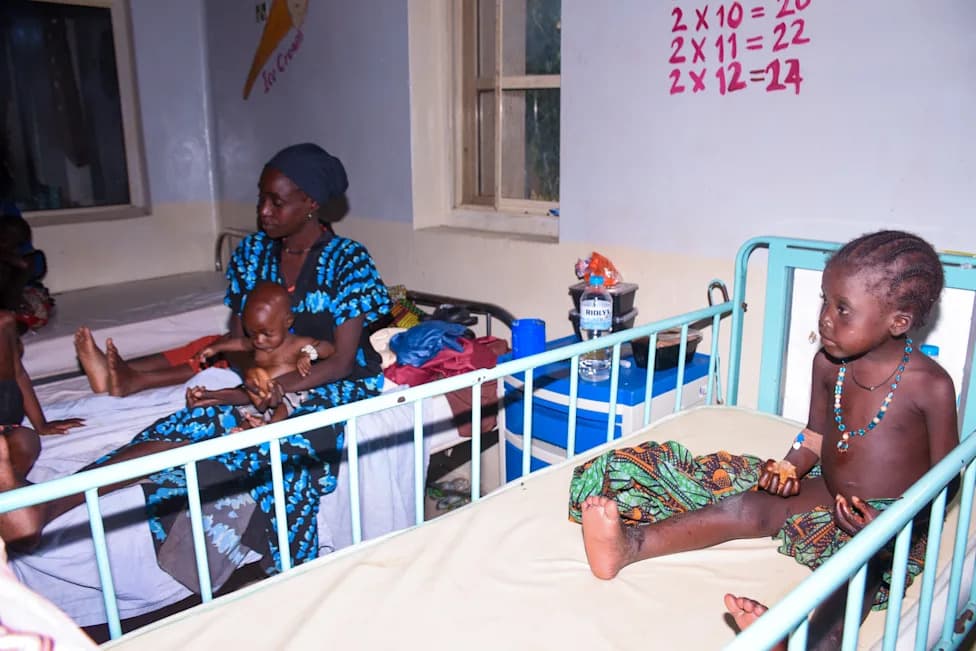
Women and children who were rescued after being held in a forest after they were abducted from the Woro community by gunmen in February receive medical attention at a hospital in Ilorin, Nigeria, Friday, Aug. 7, 2026. (AP Photo/Abubakar Khadijat)(AP Photo/Abubakar Khadijat)
ILORIN, Kwara — Dozens of the 163 Nigerians recently released from jihadi captivity described six months of hunger, fear and loss after being freed by security forces this week.
The rescued group, made up largely of women and children, was among more than 300 kidnap victims liberated in coordinated operations. The freed captives were handed to authorities in Ilorin, the capital of Kwara state, on Friday for medical checks and treatment as they awaited reunions with family members.
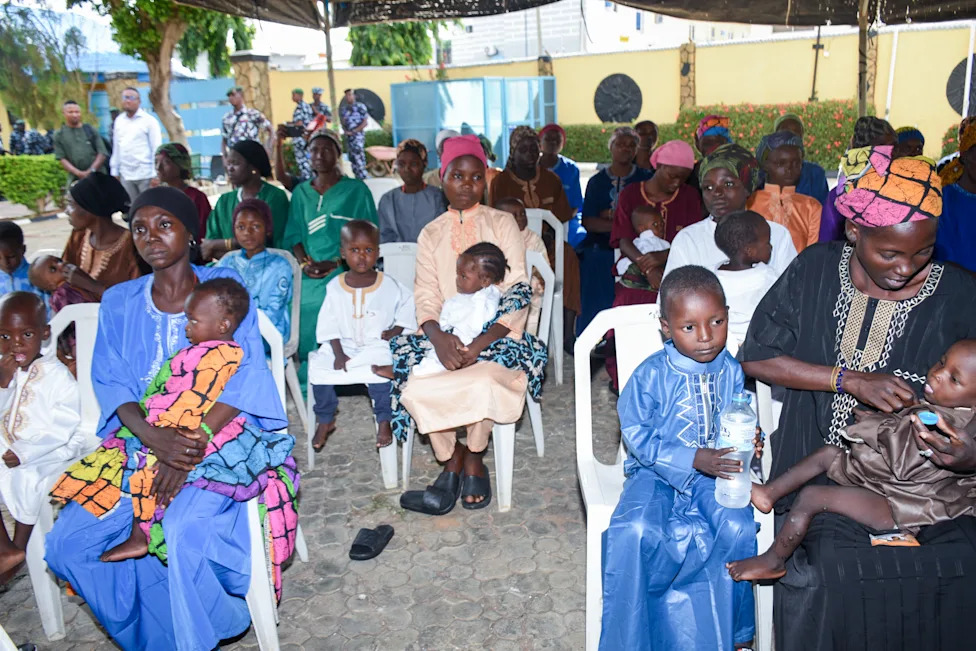
Women and children sit in the courtyard of a hotel where they are staying while waiting for the state governor to address them in Ilorin, Nigeria, Friday, Aug. 7, 2026, after being rescued from a forest where they were held following their abduction from the Woro community by gunmen in February. (AP Photo/Abubakar Khadijat)(AP Photo/Abubakar Khadijat)
Trauma, Hunger and Forced Burials
Forty-four-year-old Mary Ishaya recounted days without food and the trauma of being ordered, along with other captives, to bury hostages who died in detention. "I still cannot find the right words to describe what has happened to us. We saw death and suffering," she told reporters.
Many of the freed appeared emaciated at the hospital: some lay on the floor, barely able to stand, while others bore visible injuries and deep emotional scars. Several women were informed that their husbands had been among those killed in the February assault.
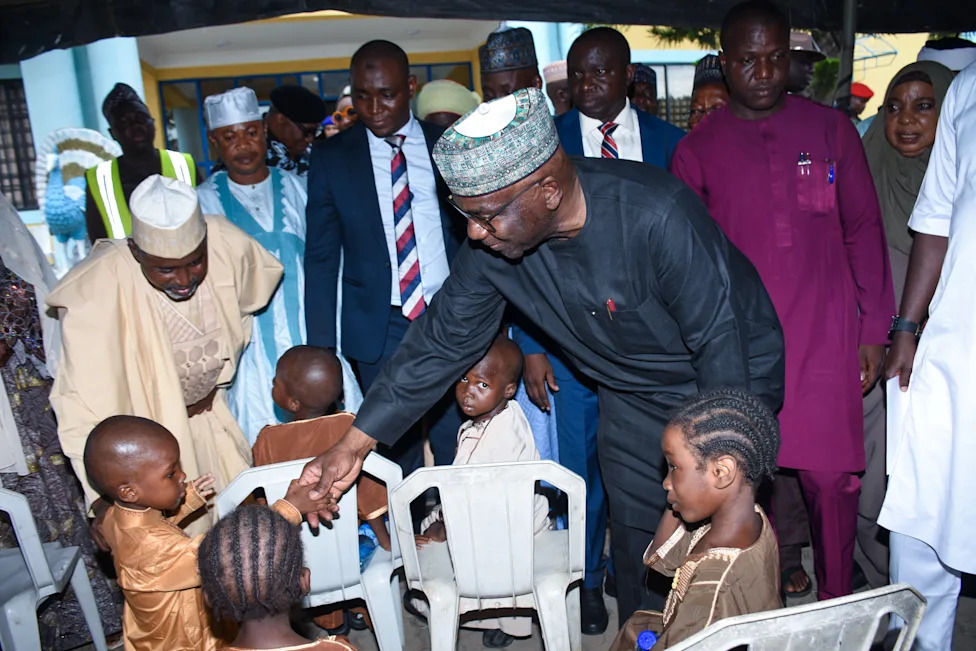
Kwara state Gov. Abdulrahman Abdulrazaq greets children at a hotel in Ilorin, Nigeria, Friday, Aug. 7, 2026, where they are staying after being rescued from a forest where they were held following their abduction from the Woro community by gunmen in February. (AP Photo/Abubakar Khadijat)(AP Photo/Abubakar Khadijat)
Attack And Conditions In Captivity
The abductees were seized on Feb. 3 when militants attacked the village of Woro, killing more than 160 people, officials said. Survivors described illness, exposure to rain during raids, being forced to hide whenever Nigerian military helicopters flew over the forest shelters, and losing hope of ever returning home.
"We prayed to God to help us go back home, but it never really crossed our minds that we were going to go back home," said 30-year-old Hauwa Saliu, who lost her husband in the attack.
Among the freed was nurse Amira Saliu, who said she helped about 10 pregnant women deliver while they were held in forest camps. "I had no choice but to use my bare hands," she said.
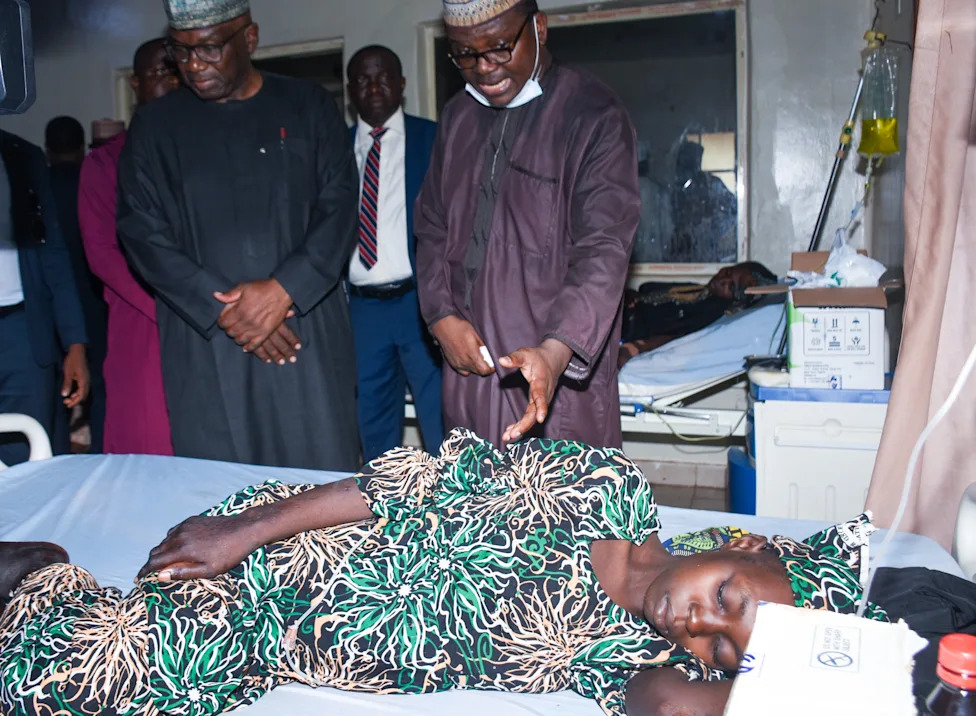
Kwara state Gov. Abdulrahman Abdulrazaq, left, visits a woman receiving medical attention at a hospital in Ilorin, Nigeria, Friday, Aug. 7, 2026, after she and others abducted by gunmen from the Woro community in February were rescued from a forest where they had been held. (AP Photo/Abubakar Khadijat)(AP Photo/Abubakar Khadijat)
Rescue, Response And Wider Context
Authorities did not disclose how the captives were recovered from the dense forests around Kainji Lake National Park. The victims from Muslim-majority Woro were released this week alongside roughly 145 other captives, many taken from neighboring Niger State.
President Bola Tinubu described the operation as the "largest rescue operation ever" carried out in a single day and pledged to intensify actions against armed gangs. Analysts say the raid underscores a troubling trend: militants who once concentrated their operations in the far north are increasingly operating in central and southern areas, competing with local groups for territory and resources.
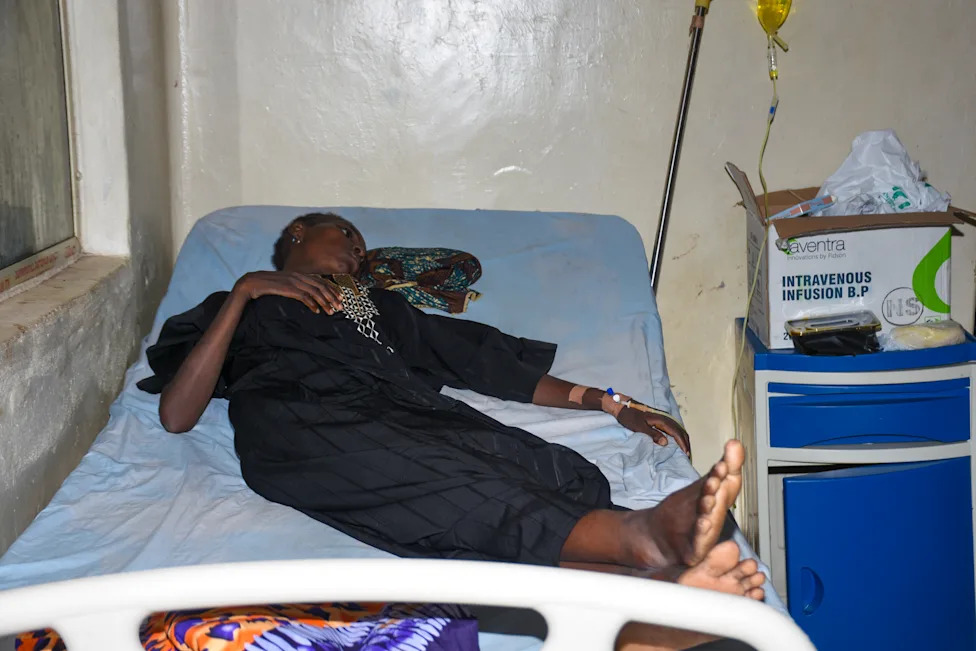
A woman who was rescued after being held in a forest after being abducted from the Woro community by gunmen in February receives medical attention at a hospital in Ilorin, Nigeria, Friday, Aug. 7, 2026. (AP Photo/Abubakar Khadijat)(AP Photo/Abubakar Khadijat)
The United States provides military support to Nigeria under an agreement that U.S. officials say is intended to protect vulnerable communities; much of that assistance is focused on logistics and intelligence gathering in violence-plagued regions. Observers and analysts have pointed to the poor welfare, low pay and overstretch of Nigeria's security forces as a key vulnerability. Sekinat Ojeniyi, a senior analyst at Africa Practice, urged the government to strengthen intelligence and prevention rather than relying mainly on reactive operations.
What remains clear: survivors face a long road to recovery, families need answers, and officials say more sustained security reforms are required to prevent future mass abductions.
Help us improve.





















