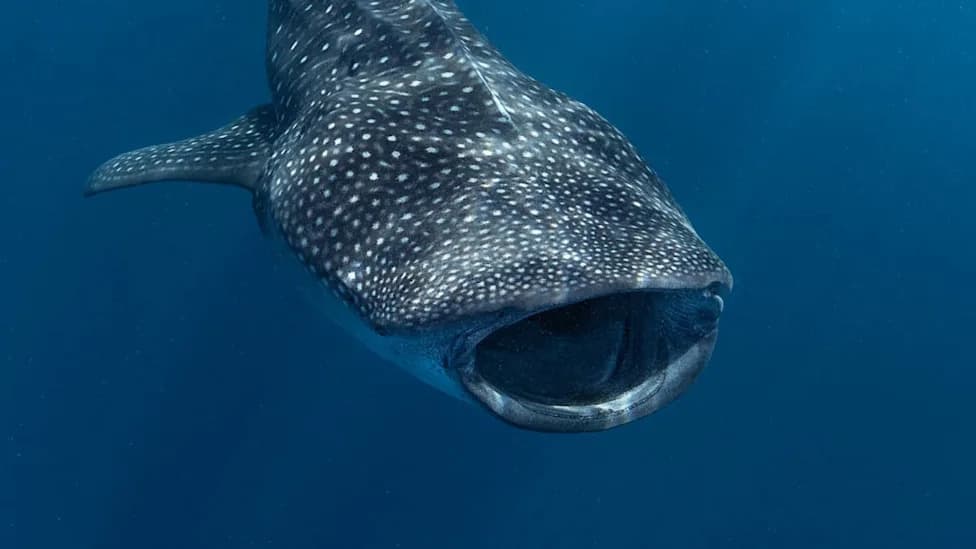
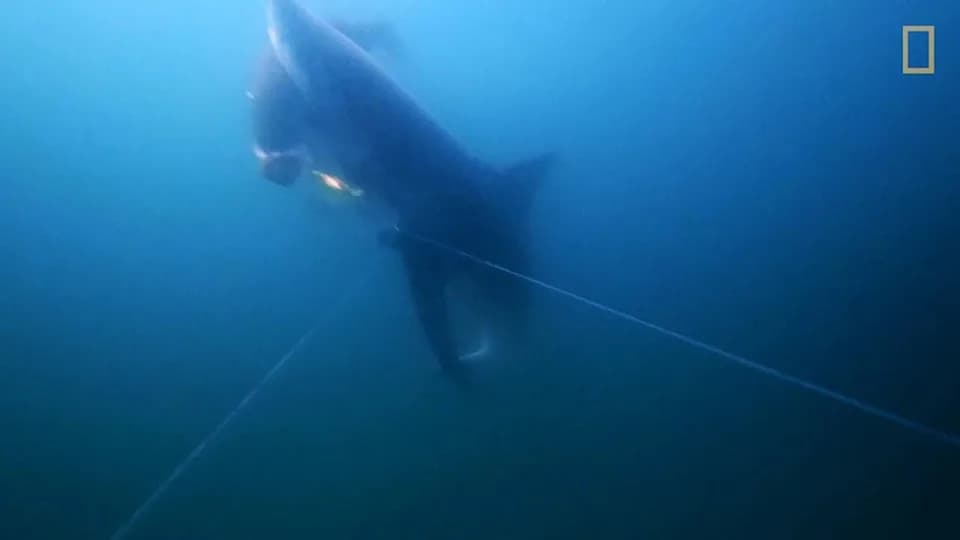
Rising sea temperatures are altering which shark species appear around the Channel Islands and the South West of the UK, as prey and migration patterns shift. Rare sightings of larger sharks, including shortfin mako, porbeagle and blue sharks, have been reported, though officials say the risk to swimmers is very low and there are no confirmed shark-bite incidents in the English Channel. A three-year study with the University of Exeter is investigating whether pregnant blue sharks use these waters as nursery areas.
Warmer Seas Are Shifting Which Sharks Visit Southern UK Coasts
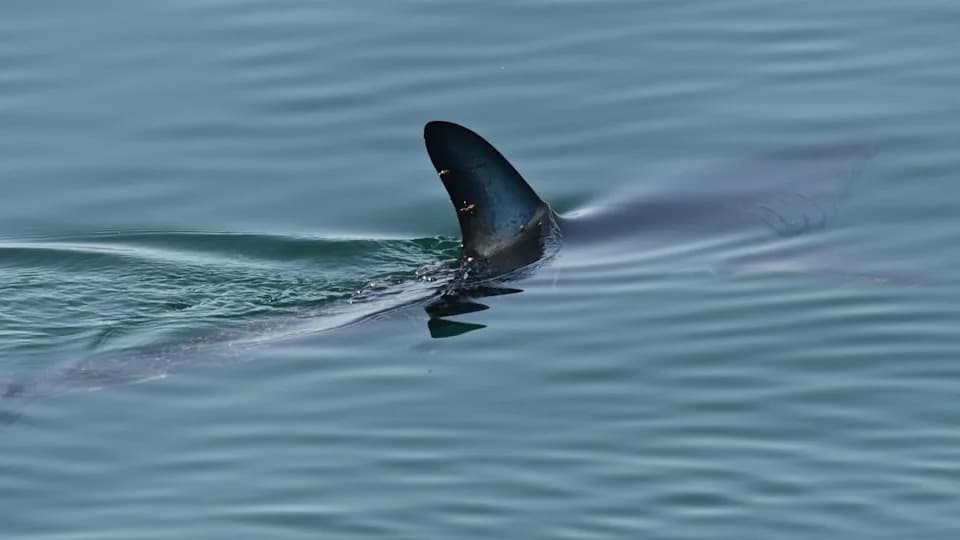
Alex Plaster said there had been rare sightings of larger sharks like shortfin mako sharks [PA Media]
Scientists say rising sea temperatures are changing which shark species turn up in southern UK waters, with several species moving north as their prey follow warmer currents.
Bryce Stewart of the Plymouth-based Marine Biological Association explained that changes in prey distribution and migration patterns are driving some sharks toward the Channel Islands and the South West of England.
On Saturday, lifeguards cleared a beach in Jersey after a dark-grey shark estimated at about 10–12 ft (3–3.36 m) was seen close to shore. The sighting prompted a precautionary closure but officials stressed there was no reason for alarm.
Alex Plaster, of Jersey's Marine Resources team: "There have been rare sightings of larger sharks such as shortfin mako, porbeagle and blue sharks in waters around the Channel Islands, but the risk to people is effectively zero."
Plaster noted that, in the whole English Channel area, there are no confirmed reports of anyone being bitten by a shark. He added that species often mentioned online—such as bull sharks and great whites—have not been confirmed locally.
Stewart said one-off or unusual shark sightings are not uncommon: "Large animals that can travel long distances may appear in a particular current or weather system outside their usual range. A single sighting could be a basking shark, a smalltooth sand tiger, a blue shark or a porbeagle."
Jersey records show 14 different shark species over the past century. Most are small (about 1–2 ft / 0.3–0.6 m), while larger species commonly recorded are typically around 5–6 ft (1.5–1.8 m).
Both Stewart and Plaster highlighted broader ecosystem changes: warmer winter sea temperatures are already altering marine life distributions. Plaster pointed to increases in gill-head breams, stingrays and bluefin tuna as examples of species responding to warming seas and shifting predator-prey relationships.
Stewart said these changes also help explain the rise in shark observations and the growing numbers of bluefin tuna off the south-west coast: "This increase is best explained by shifts in migration patterns tied to temperature and prey availability."
Researchers are studying the phenomenon. A three-year project with the University of Exeter is tracking sharks to better understand local behaviour. One developing hypothesis is that many blue sharks seen in the area are pregnant and may give birth off the UK south-west coast. Stewart said most sharks observed off the south coast appear to be female.
Stewart: "The theory is that pregnant females move to marginal waters to avoid males and aggressive mating behaviour. These areas could act as a kind of maternity ward, offering relative safety for pups."
Officials continue to monitor sightings and advise bathers to follow local lifeguard and marine authority guidance. While large shark sightings can attract concern, experts emphasize that encounters resulting in harm are extremely rare in these waters.
Help us improve.