EU digital commissioner Henna Virkkunen criticised Meta and TikTok for their handling of misinformation after tens of thousands crossed from Morocco into Ceuta, a small Spanish exclave. Migrants reported videos and messages on apps like TikTok suggesting the border was open and that accommodation and onward travel would be available. The EU plans to strengthen early-warning systems, increase social-media monitoring and step up cooperation with fact-checkers to better manage future crises.
After Ceuta Surge, EU Demands Stronger Social‑Media Controls for Meta and TikTok
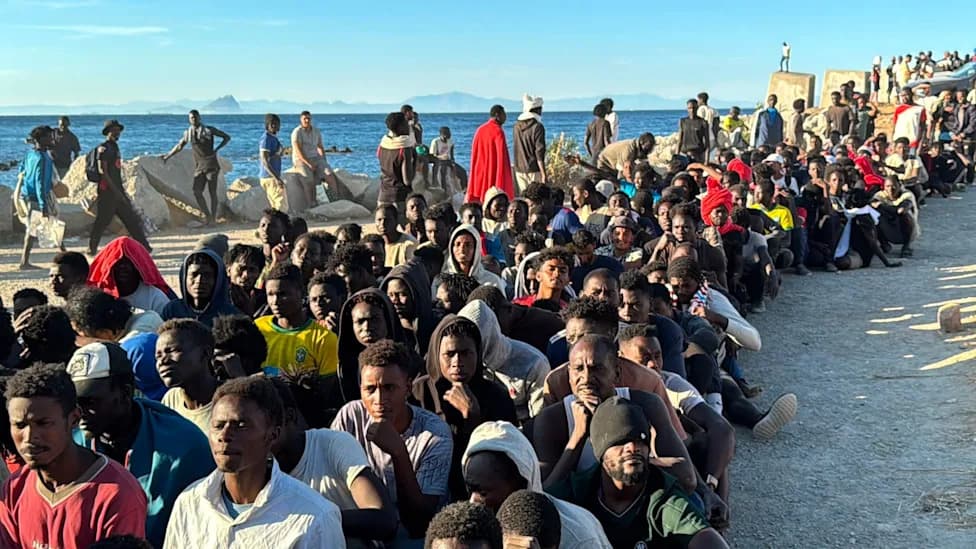
FILE PHOTO - Migrants in Ceuta wait in line for basic food supplies distributed by Red Cross staff and members of the organization "Sur Sur." (is associated with: «Meta, TikTok face EU criticism after mass migrant crossings into Ceuta») Iván Zambrano/EUROPA PRESS/dpa
EU digital commissioner Henna Virkkunen has publicly criticised Meta and TikTok for their handling of misinformation during a recent mass migrant crossing into the Spanish North African exclave of Ceuta, and urged platforms to step up monitoring during crises.
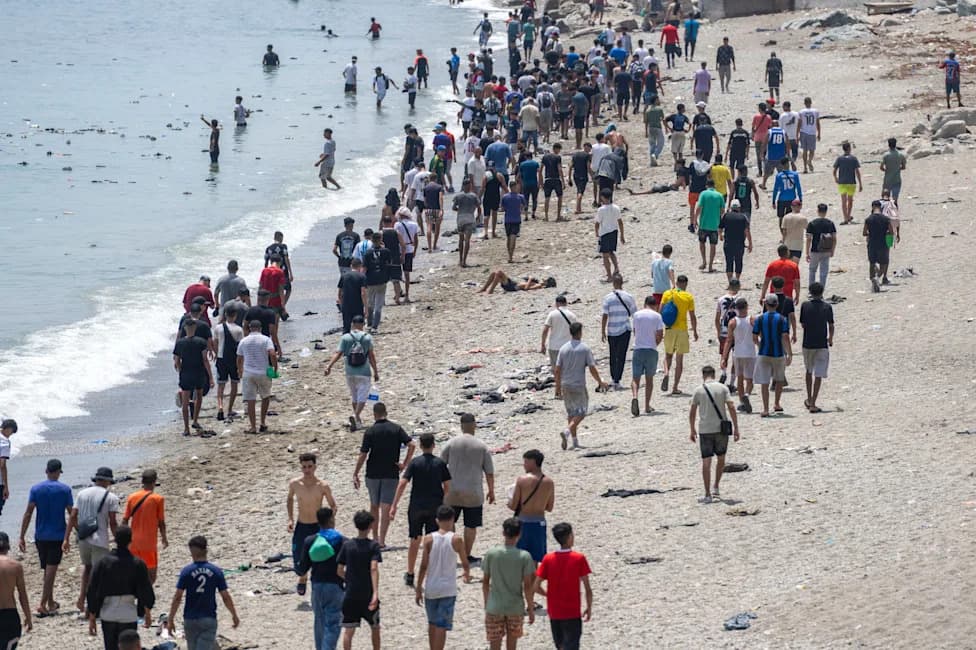
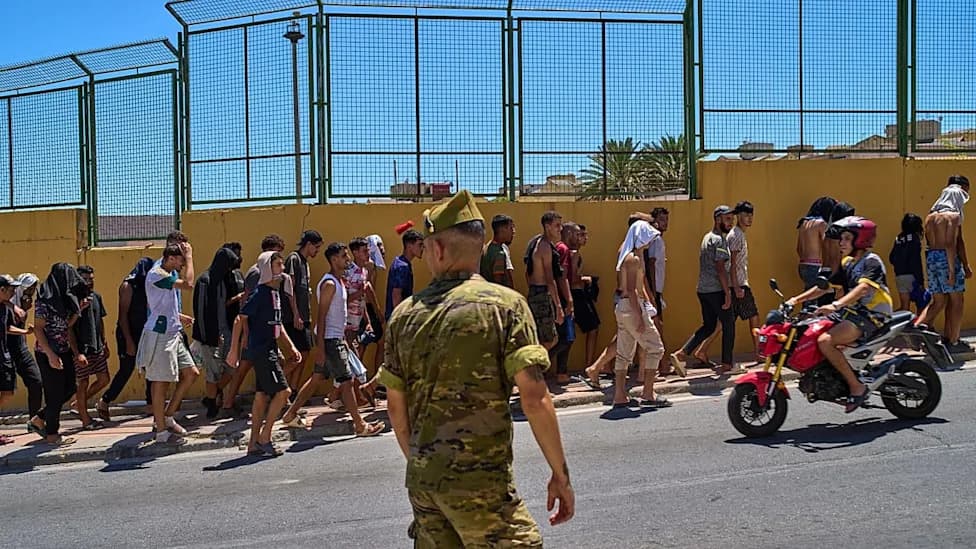
Late last month tens of thousands of people crossed from Morocco into Ceuta, overwhelming the small territory and triggering a political dispute over the protection of the European Union's external borders. Reports say social media content played a prominent role in the sudden movement.
Role Of Social Media
Numerous migrants reported seeing videos and messages on apps such as TikTok that suggested the normally heavily guarded border had been opened. Claims also spread that accommodation would be available in Ceuta and that those arriving could travel onwards to the Spanish mainland—information that appears to have fuelled the surge.
EU Response And Proposed Measures
Following an emergency meeting of EU member states, officials said they would explore bolstering early-warning systems and increase monitoring of popular social platforms to improve the bloc's shared situational awareness during fast-developing events.
"Platforms must act decisively in keeping the integrity of the digital space, in particular during crisis situations," Virkkunen wrote on X after meeting representatives of TikTok and Meta. "Monitoring must increase, cooperation with fact-checkers to be strengthened."
The EU's proposals focus on closer cooperation with independent fact-checkers, more timely removal or labelling of false content, and mechanisms to surface emerging disinformation that could have immediate, real-world consequences.
Observers say any new monitoring or early-warning tools will need to balance rapid response with respect for privacy and freedom of expression, while platforms face growing pressure to prevent the spread of misleading content that can provoke mass movements or endanger lives.
Help us improve.