Senator Adam Schiff warned that proposed cuts to federal research funding could endanger the United States' long-standing leadership in science and technology, particularly in areas like artificial intelligence. He urged President Trump to reverse what he called "destructive cuts," citing an estimated $2.8 billion in losses from disrupted NIH and NSF grants. Schiff also warned a 25% reduction in federal R&D spending could shrink GDP at a rate comparable to the Great Recession. Meanwhile, the administration has announced $874 million in CHIPS Act incentives for semiconductor firms and committed $50 million to psychedelic treatment research for PTSD.
Adam Schiff: Proposed Trump-Era Research Cuts Could Erode U.S. Innovation Lead
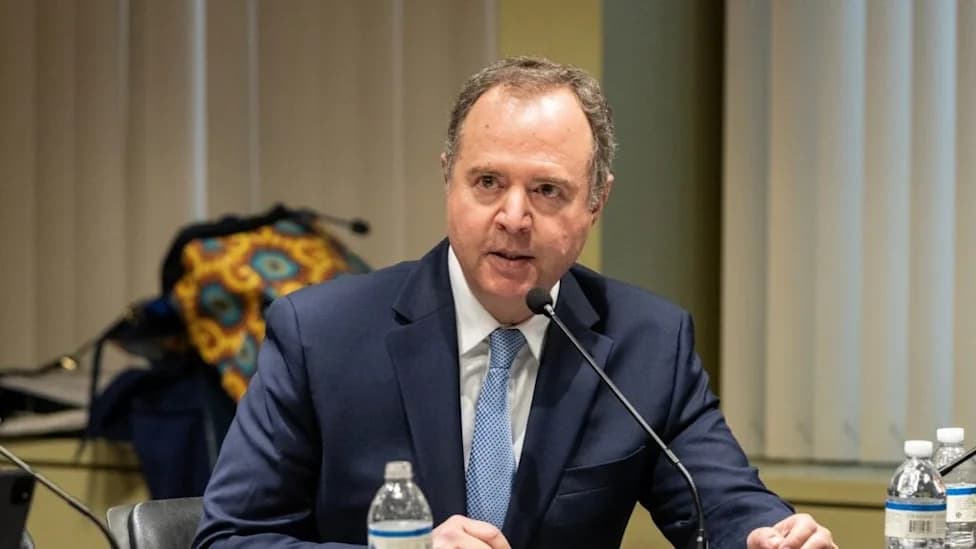
Adam Schiff Warns Trump Research Cuts Put US Innovation Edge at Risk: 'We Cannot Let These Harmful Policies…'
Senator Adam Schiff (D-Calif.) warned that proposed reductions in federal research funding under the Trump administration risk weakening the United States' decades-long leadership in science and technology and could allow foreign rivals to close gaps in critical fields such as artificial intelligence.
Speaking on Wednesday, Schiff sharply criticized the administration's approach to research budgets, arguing that diminished federal support would undercut America's competitive edge across advanced technology, medicine and other emerging industries.
“The United States is the world's leader in science and innovation, a role we've played for more than a century. The Trump administration's endless attacks on research funding put that position of preeminence at risk. We cannot let these harmful policies be the reason we forfeit our lead in cutting-edge technology to our competitors.”
— Senator Adam Schiff (@SenAdamSchiff) August 5, 2026
In a formal letter to President Trump, Schiff urged a reversal of what he called "destructive cuts" to science and research budgets. He warned that reduced federal investment could slow life-saving medical research, delay space exploration and hamper technological innovation.
Schiff cited estimates from researchers that disruptions to grants from the National Institutes of Health (NIH) and the National Science Foundation (NSF) could amount to roughly $2.8 billion in lost funding. He also warned that a 25% reduction in federal research and development spending could knock U.S. GDP down at a rate comparable to the Great Recession.
At the same time, the administration has advanced several technology and health initiatives: in July the Commerce Department announced $874 million in CHIPS Act incentives for seven semiconductor companies focused on AI and high-performance computing, with the federal government taking minority equity stakes in those firms. In April, the White House directed the Food and Drug Administration to accelerate reviews of psychedelic treatments, including research into ibogaine, and committed $50 million to study its potential in treating PTSD.
Why This Matters
Federal research funding supports basic science, graduate education, and long-term innovation that private markets often underinvest in. Lawmakers and researchers say sustained public investment is critical to retain scientific talent, attract startups, and preserve strategic leadership in technologies with national security and economic implications.
Schiff's critique highlights a broader debate over fiscal priorities: balancing near-term budget constraints against long-term investments that drive growth, public health advances and national competitiveness.
Help us improve.