Canada is expanding aerial firefighting, fuels-reduction programs and frontline crews to confront an increasing number of intense wildfires. Warming at roughly twice the global rate and vast boreal forests make the country particularly susceptible. Fire-driven "pyrocumulonimbus" clouds—recorded far more often in 2023—create unpredictable, fast-moving threats that are difficult to fight directly. Authorities warn many communities remain exposed as development continues in high-risk areas.
Canada Ramps Up Firefighting as Climate Change Fuels Record Wildfires
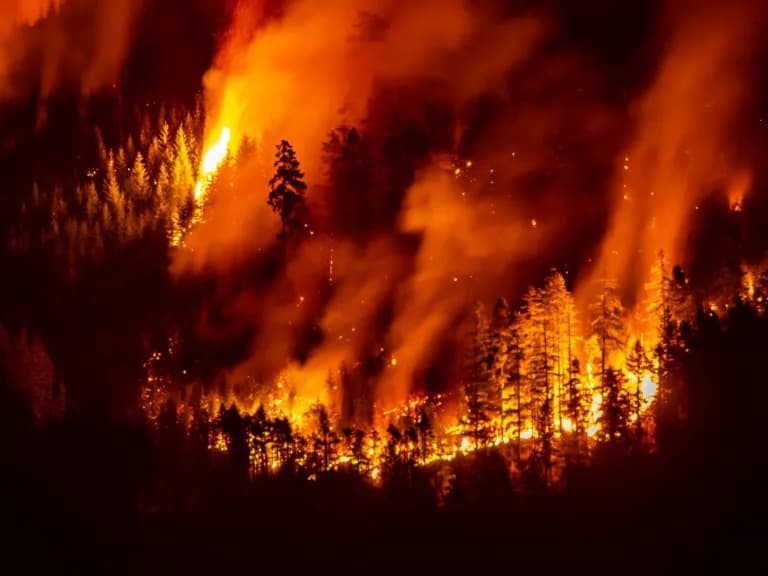
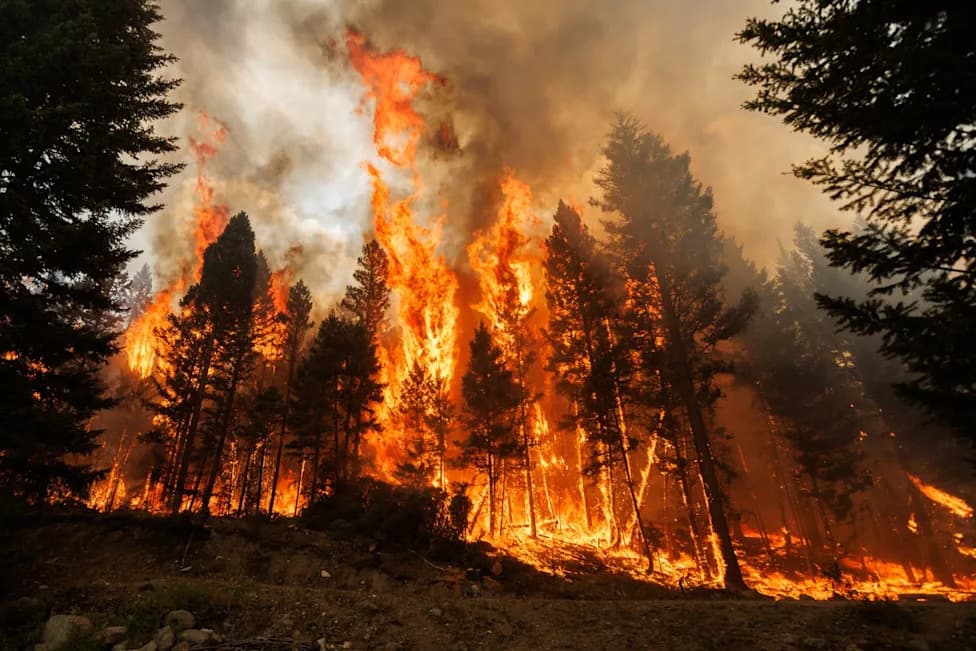
Intense wildfires, like the Mount Underwood blaze on Vancouver Island last year, are expected to remain a fixture of Canadian life (Colby Rex O'Neill)
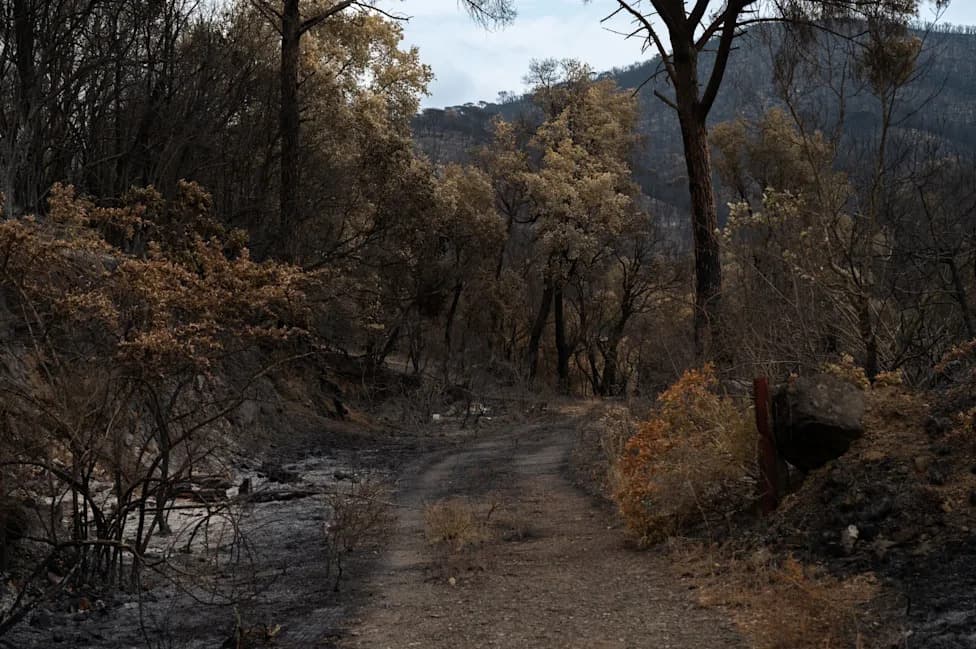
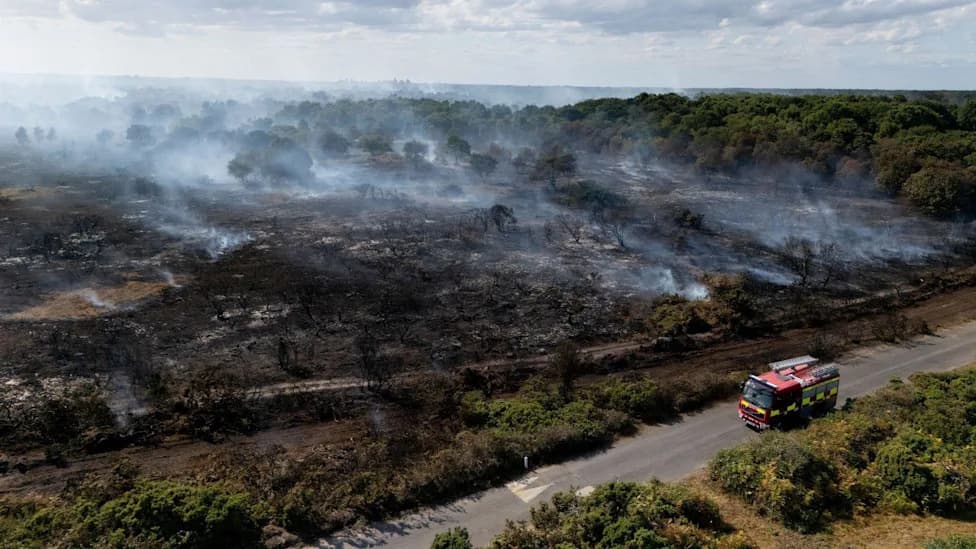
Facing another summer of widespread smoke and scorched landscapes, Canada is expanding its firefighting capacity and adapting forest-management practices to limit the growing yearly devastation from wildfires.
Even as federal and provincial governments lease water-bombers, fund fuels-reduction programs and reinforce ground crews, experts say intense, large-scale fires will remain a regular reality for the country.
“We're going to have to live with this,” said Normand Lacour, a veteran of Quebec's wildfire prevention and detection agency, SOPFEU.
Why Canada Is So Vulnerable
Canada contains about a quarter of the world's boreal forest, and average annual temperatures are rising at roughly twice the global rate. Those trends create conditions that the University of Ottawa's Patricia DeRepentigny calls "conducive to intense and very extensive forest fires." The nation's last three wildfire seasons rank among the 10 worst on record, including 2023, when roughly 18 million hectares burned—an area nearly as large as Syria.
What Authorities Are Doing
In May, Ottawa announced a five-year, CAD$317 million investment to establish a national aerial firefighting surge capacity by leasing 10 aircraft to be deployed where blazes intensify. The federal government is also supporting a CAD$150 million program to clear flammable vegetation near communities. Provinces have boosted frontline capacity as well—Quebec reports SOPFEU staffing is up about 40 percent.
Limits of Current Defenses
Despite these measures, officials warn there are limits. "Canada is not in an excellent position," said Ryan Ness, director of adaptation research at the Canadian Climate Institute, noting that development continues in many fire-prone areas.
Fire Clouds: A Growing, Dangerous Phenomenon
One of the most alarming developments is the rise of pyrocumulonimbus "fire clouds," massive fire-driven storm systems that can generate their own winds and lightning and spawn new fires. Once rare in Canada, fire clouds were recorded 140 times in 2023 compared with the historical norm of one or two events per year.
“There’s not much we can do when this happens, apart from pulling crews out of the field and repositioning them behind the fire,” said SOPFEU meteorologist Claudia Vaillancourt.
This season has burned about 4 million hectares so far—well below 2023's catastrophic toll but still causing major evacuations and widespread hazardous air quality. In British Columbia, roughly 15,000 people were ordered to evacuate, while cities such as Toronto experienced some of the worst air pollution worldwide during peak smoke events.
Bottom line: Canada is investing in aerial resources, fuels management and personnel, but the accelerating climate-driven risks—especially fire clouds—mean communities and policymakers will need long-term adaptation and land-use planning to reduce future losses.
Help us improve.