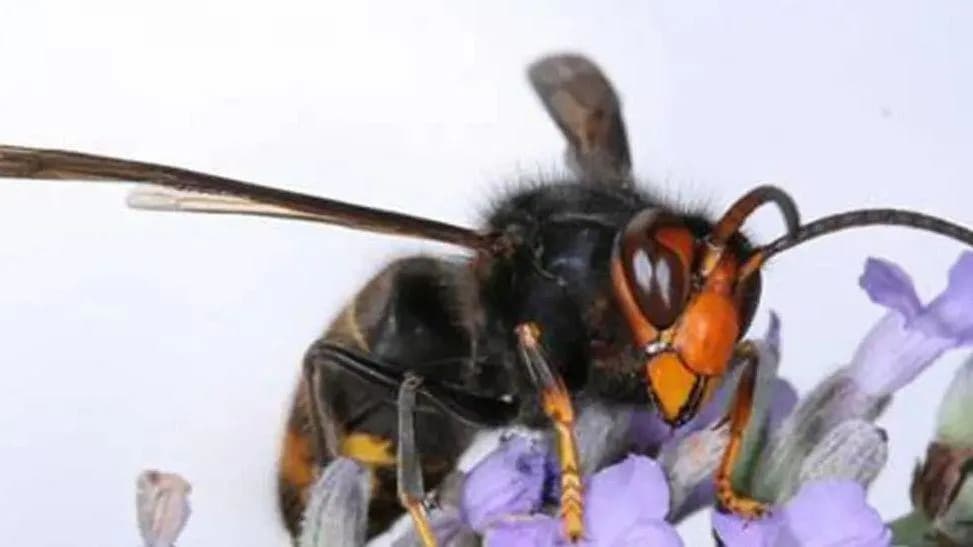
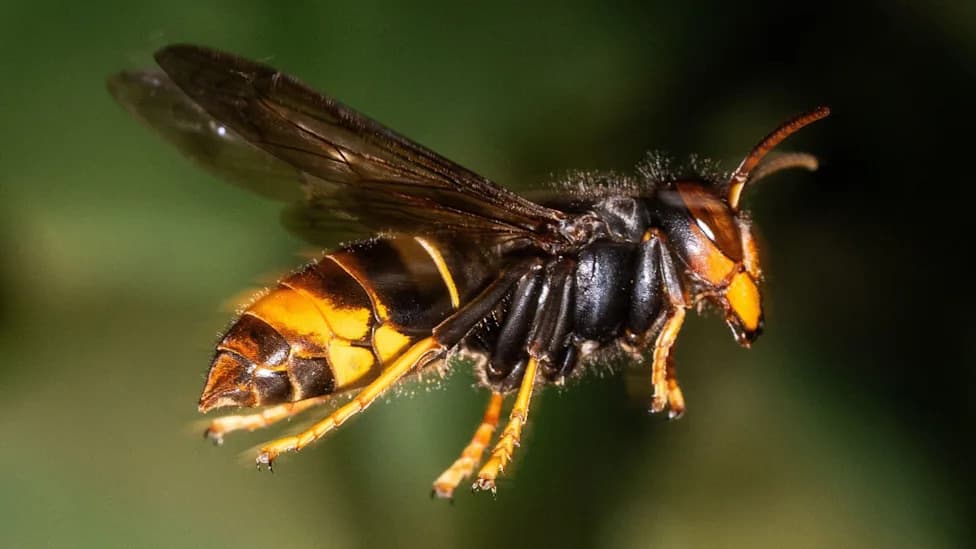
North Carolina authorities have confirmed the yellow-legged hornet as an established species after sightings near a Union County home and follow-up detections near the Union–Mecklenburg line. Officials, working with USDA APHIS, have deployed more than 200 survey traps to locate nests and any additional populations. The hornets prey on honeybees and can cause reduced foraging and colony failure; residents and beekeepers are urged to monitor for reddish, muddy nests and report sightings to NCDA&CS.
Yellow-Legged Hornet Confirmed Established in North Carolina — New Threat to Honeybees
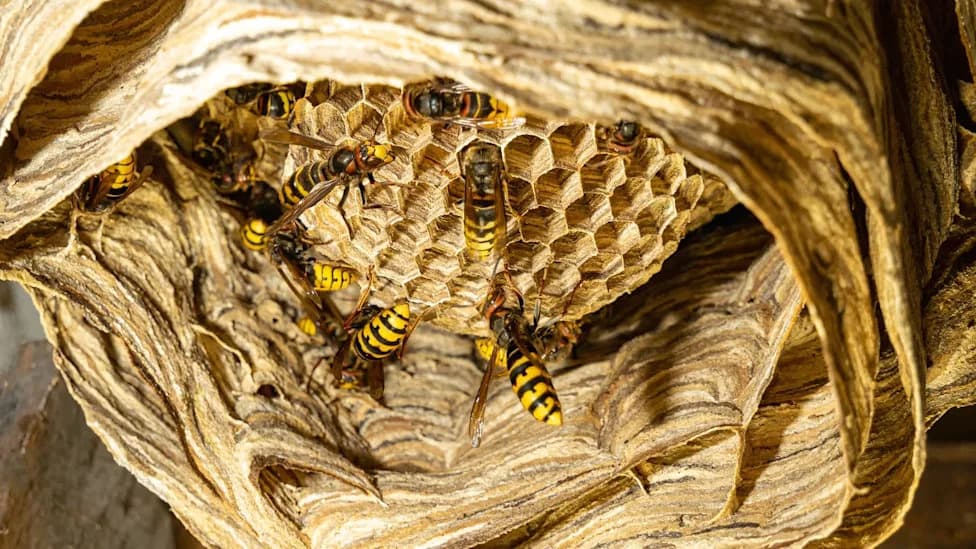
Photo Credit: iStock
North Carolina officials have confirmed the invasive yellow-legged hornet as an established species in the state after initial sightings near a Union County home — a development that could increase pressure on honeybees and the people who rely on them.
How It Was Detected
The discovery began when a Union County homeowner reported suspicious hornet activity at a hummingbird feeder to the North Carolina Department of Agriculture and Consumer Services (NCDA&CS). A follow-up survey found additional adult hornets near the Union–Mecklenburg county line, prompting broader survey and trapping efforts.
What Officials Are Doing
NCDA&CS is working with the U.S. Department of Agriculture's Animal and Plant Health Inspection Service (USDA APHIS) Plant Protection and Quarantine program to survey, trap and respond. Officials have placed more than 200 survey traps in the area around the initial sighting to locate the source nest and identify any additional populations early.
Why This Matters
Yellow-legged hornets prey on honeybees. An established population could increase predation pressure on colonies, causing reduced foraging and, in some cases, colony failure. That in turn threatens pollination services and honey production that support commercial agriculture, local growers and home gardens.
How to Spot Them
Officials warn that yellow-legged hornet nests may look different from familiar species: they can be reddish and muddy in appearance rather than the gray papery nests of bald-faced hornets. A typical nest may be about the size of a volleyball, but nests can grow much larger — sometimes large enough to fill a pickup truck bed. Beekeepers should watch for "hawking-like behavior" — hornets hovering outside hive entrances to prey on foraging bees.
What Residents And Beekeepers Can Do
- Monitor properties and hives closely for unusual hornet activity or nests.
- Follow NCDA&CS guidance on building, setting and reporting traps; report sightings promptly so response teams can act.
- Keep a safe distance from nests and leave removal to trained professionals.
Bottom line: Early detection and community reporting are key to limiting the spread of this invasive predator and protecting pollinators that sustain local food systems.
For more information and reporting instructions, visit the NCDA&CS official yellow-legged hornet page.
Help us improve.