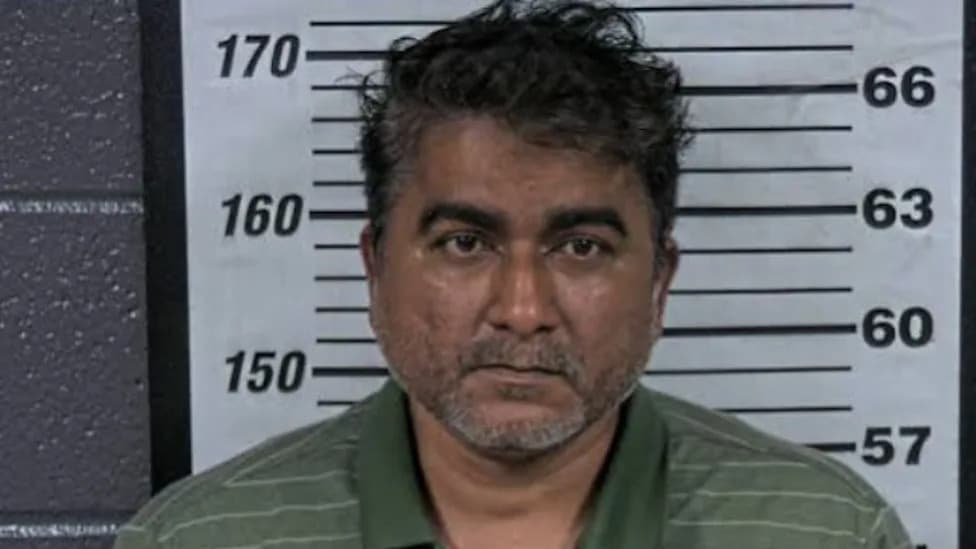
Federal agents say Shawn Carter and Danielle Thomas are accused of running an unemployment fraud operation tied to at least 409 suspected claims across 32 states, with about $4.12 million disbursed. Thomas was allegedly arrested during an ATM withdrawal in October 2021, and messages recovered appear to show efforts to erase evidence. Both face charges of conspiracy to commit wire fraud and aggravated identity theft; a preliminary hearing is scheduled in Detroit. Victims are urged to report suspicious unemployment paperwork and protect their credit.
Police Interrupt $4.1M Unemployment Fraud Scheme During ATM Withdrawal, Feds Say
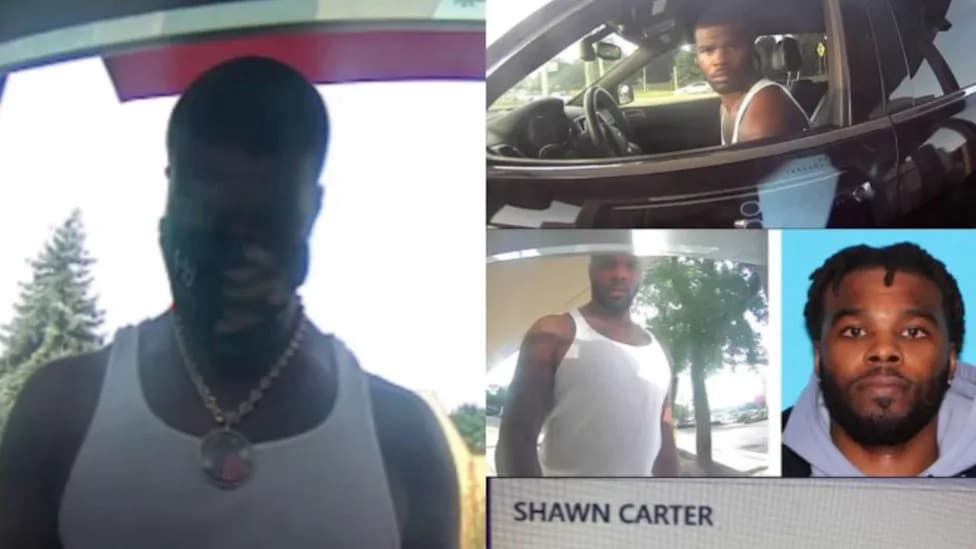
Image Credit: Erika Erickson/X.
Federal investigators say two Metro Detroit residents are tied to a large-scale unemployment fraud scheme that produced more than 400 suspected fraudulent claims across 32 states and resulted in roughly $4.12 million in benefits being disbursed.
Prosecutors have charged 38-year-old Shawn Carter of Woodhaven and 36-year-old Danielle Thomas with conspiracy to commit wire fraud and aggravated identity theft. According to the federal complaint and reporting by ClickOnDetroit, agents linked claims filed between March 2020 and March 2022 to the pair through overlapping addresses, bank accounts, email accounts, IP addresses and other digital and financial similarities.
How the Scheme Allegedly Worked
Investigators say many applications used stolen identities to generate unemployment debit cards that were mailed to Michigan addresses even when the underlying benefits came from other states. Those cards were allegedly cashed out at ATMs throughout Metro Detroit.
Federal filings allege the pair are associated with at least 409 suspected fraudulent unemployment insurance claims filed in 32 states, with approximately $4,117,788 in benefits ultimately disbursed on claims linked to them. Agents reported finding at least 68 suspected claims using Carter’s Social Security number and at least 25 suspected claims using Thomas’s number; another 26 suspected claims were traced to Thomas’s home address.
Key Incidents and Evidence
One revealing incident occurred on October 12, 2021, when Dearborn police responded to a reported fraud in progress at Dearborn Federal Credit Union. Officers say Thomas attempted to withdraw funds with a fraudulent card. When asked for ID, she allegedly presented a counterfeit Pennsylvania driver’s license that used a real person’s name with Thomas’s photograph. Police reported recovering additional fake IDs and unemployment debit cards issued in other people’s names.
Investigators recovered messages on Thomas’s phone that allegedly show coordination between the two suspects about which unemployment cards remained active and where to withdraw cash. According to the complaint, after police arrived during the withdrawal attempt, messages shifted from discussing cards and banks to Carter instructing Thomas to "Delete all your messages." Thomas allegedly told Carter she was handcuffed and secretly texting from a police car while officers searched her vehicle.
Surveillance footage from an August 25, 2020 ATM withdrawal in Metro Detroit allegedly shows Carter using a Bank of America debit card that investigators say was loaded with $20,100 from a California claim; a gold necklace visible in the footage was reportedly matched to an image recovered from Carter’s phone. Investigators also cite other out-of-state claims—one in California for $20,400 and another in Hawaii—where the named applicants later said they had not filed claims and were victims of identity theft.
Separately, during a July 13, 2023 search of Carter’s home in a bank-and-check-fraud probe, authorities say they found dozens of counterfeit IDs, documents tied to fraudulent bank accounts, cashier’s checks and counterfeit Social Security cards. Electronic devices seized then were later forensically examined under federal warrant for evidence related to the unemployment fraud investigation.
Charges, Court Proceedings And Advice For Victims
Both suspects are charged with conspiracy to commit wire fraud and aggravated identity theft. The initial court schedule listed a preliminary hearing in Detroit for August 7. Prosecutors must prove the allegations in court.
The complaint notes that identity-theft victims often learn about fraudulent unemployment claims only after receiving an unemployment determination, a notice from an employer or a Form 1099-G reporting benefits they never collected. The Michigan Unemployment Insurance Agency urges people who receive unemployment paperwork for a claim they did not file to report suspected identity theft immediately, preserve related notices and tax documents, and, if the benefits were issued in another state, report the fraud to that state’s unemployment agency as well.
Because these schemes frequently involve stolen Social Security numbers and other personal data, victims should check their credit reports and consider placing free credit freezes with Equifax, Experian and TransUnion. IdentityTheft.gov provides a step-by-step recovery plan for victims whose accounts or government benefits have been obtained in someone else’s name.
Help us improve.