Valerie Percy, 21, was found fatally stabbed and bludgeoned in her Kenilworth home on Sept. 18, 1966. Investigators interviewed roughly 14,000 people, followed more than 1,300 leads and administered dozens of polygraphs, but no arrests were made. A suspicious phone call months earlier linked the Percy estate to a South Side Chicago meat market with alleged mob ties; suspects named included burglars Frank Hohimer and Frederick Malchow, but no charges followed. Valerie, a Cornell graduate planning graduate study at Johns Hopkins, was active in her father Charles Percy’s Senate campaign; the case remains unsolved.
Unsolved Cold Case: Valerie Percy — Senate Candidate’s Daughter Stabbed to Death in 1966
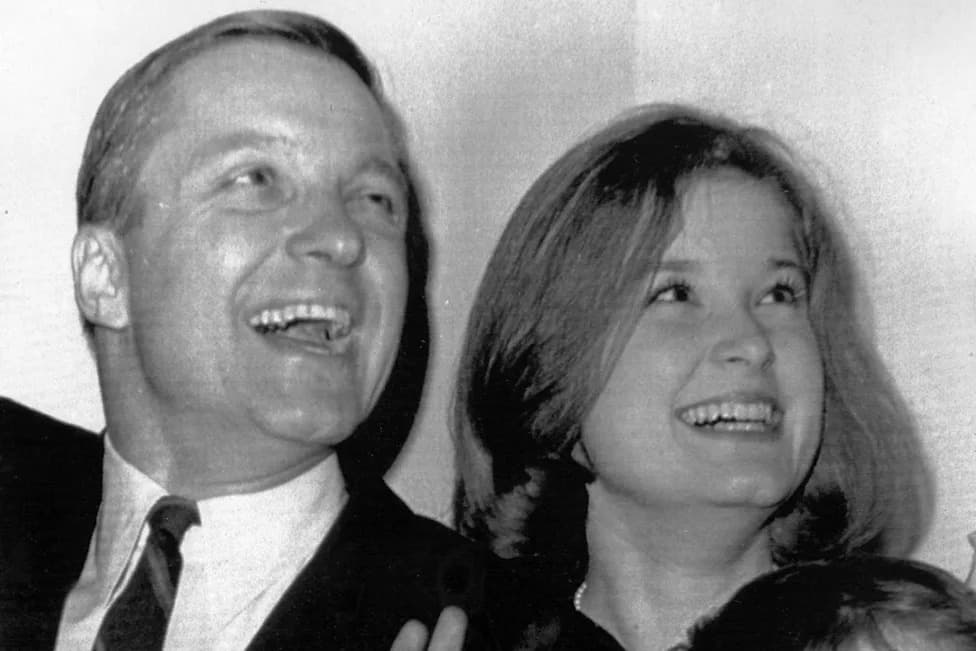
Valerie Percy and her father, Charles PercyCredit: Chicago Tribune archive/MCT/Sipa USA
Fifty years after the attack, the brutal slaying of 21-year-old Valerie Percy remains one of Illinois’s most haunting unsolved crimes. Valerie — the daughter of U.S. Senate candidate Charles Percy — was found fatally stabbed and bludgeoned in her Kenilworth family home in the early hours of Sept. 18, 1966. Despite decades of probing by local police and the FBI, no one was ever charged.
What Happened
Shortly before 5 a.m. on Sept. 18, Valerie’s stepmother, Loraine Percy, heard moaning and went to check on her. She surprised a man bent over Valerie’s bed; the intruder fled, and Valerie died before medical help could arrive. The attack took place in an affluent lakefront neighborhood, heightening the shock and media attention around the case.
Investigation And Leads
Investigators pursued the case tirelessly. A 1976 PEOPLE report noted that over a decade police and FBI agents interviewed roughly 14,000 people, chased more than 1,300 leads and administered at least 58 polygraph tests. Yet no physical evidence tied any suspect to the scene, and no arrests followed.
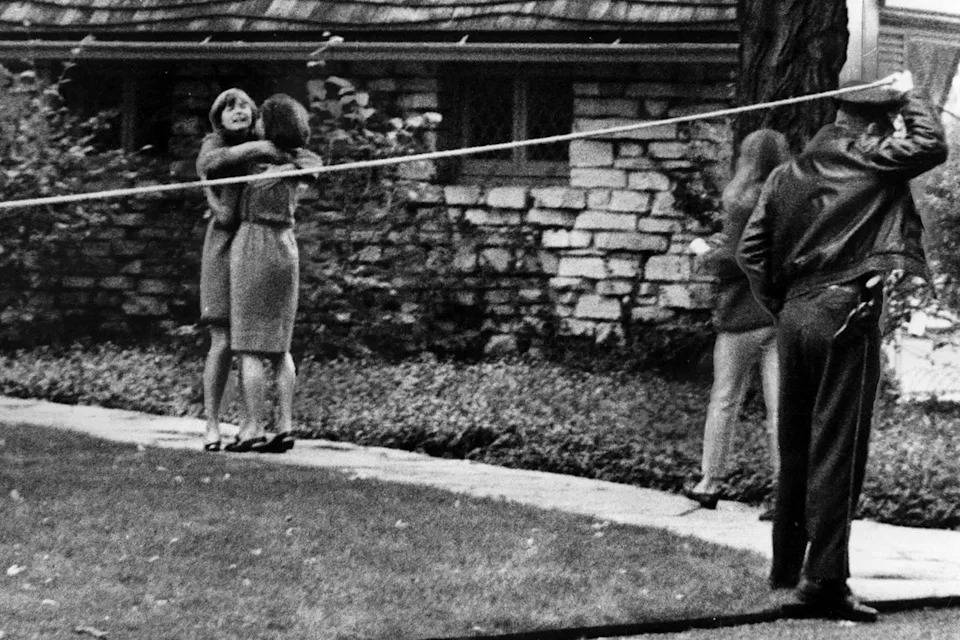
Sharon Percy, twin sister of slain Valerie, embracing Mrs. Diana Guyer, sister-in-law of Mrs. Percy, as Sharon's sister, Gail, walked beneath rope barrier held up by policeman at the Percy home in Kenilworth on September 19, 1966Credit: Chicago Tribune archive/MCT/Sipa USA
One principal lead involved a mysterious telephone call placed four months before the slaying from a phone on the Percy estate to a South Side Chicago meat market that investigators believed had ties to organized crime. Mob associate Leo Rugendorf was questioned about the call; he denied receiving it but later testified that a career burglar, Frank Hohimer, had privately confessed to the killing. Hohimer in turn implicated another burglar, Frederick Malchow. Authorities considered a theory that burglars who targeted wealthy homes may have been involved and that Valerie was killed after awakening during an attempted break-in. However, investigators never located physical evidence to confirm that scenario.
Personal And Political Fallout
The crime drew national attention partly because of the Percys’ prominence. Valerie was the twin sister of Sharon Percy, who was married to John D. Rockefeller IV — later governor of West Virginia and a long-serving U.S. senator. Charles Percy temporarily halted his Senate campaign after his daughter’s murder but resumed following her funeral; he went on to win the election and served three terms in the Senate.
Remembering Valerie
Valerie was described by classmates and sorority sisters as warm, lively and close to her family. A recent Cornell graduate planning to pursue a master’s degree in international studies at Johns Hopkins, she was active in her father’s campaign and remembered as “a happy, loving, beautiful person” who laughed often.
Despite decades of investigation, federal involvement and repeated media coverage, the identity of Valerie Percy’s killer remains unknown. The combination of a brutal, inexplicable crime, whispers of organized crime involvement and high-profile family connections has kept the case in the public eye — and the pain of an unresolved murder alive for the Percy family and the community.
Help us improve.