A 72-year-old hiker was airlifted to hospital in serious condition after a defensive encounter with a sow grizzly and at least one cub near Tyaughton Lake, B.C. She sustained multiple lacerations and a C1 neck fracture. Investigators determined the attack was defensive; conservation officers posted warnings but are not pursuing the bear. Officials note increased bear activity in the region and urge precautions when traveling in grizzly habitat.
72-Year-Old Hiker Airlifted After Grizzly Encounter Near Tyaughton Lake — Authorities Will Not Pursue Sow
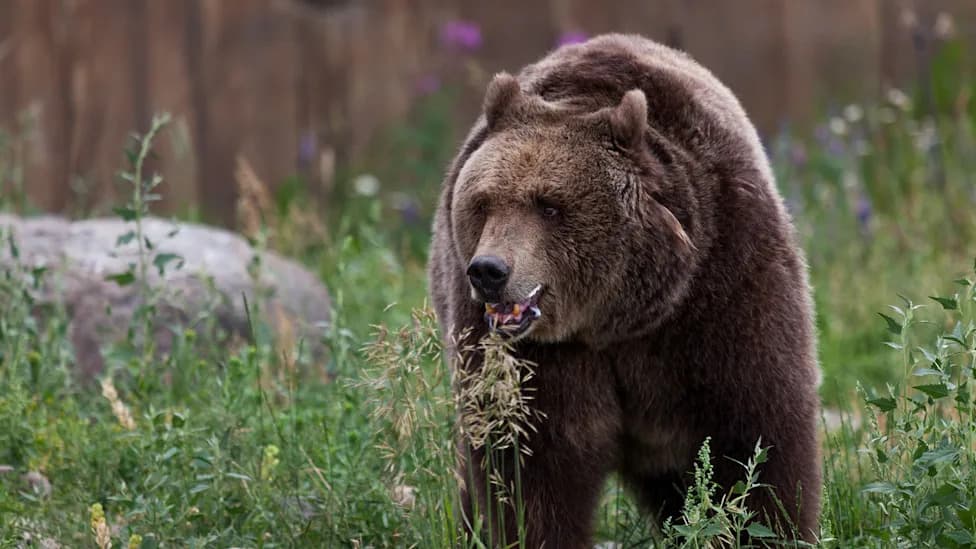
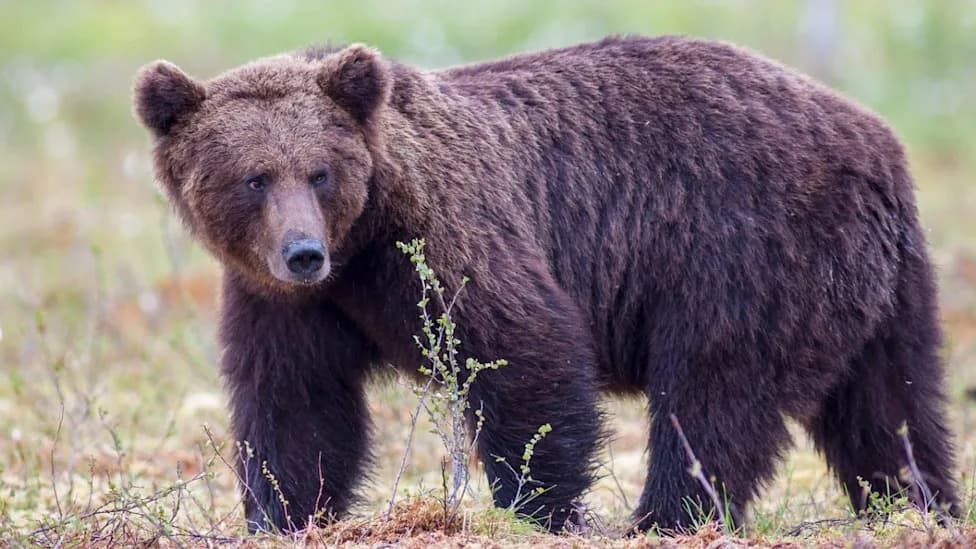
A grizzly bear walking through grass.
A 72-year-old woman was airlifted to hospital in serious condition after a defensive encounter with a female grizzly and at least one cub on a trail near Tyaughton Lake in British Columbia.
David McKenzie, president of Pemberton Search and Rescue, described the scene as severe:
“The bear was batting them around in the altercation.”He said the hiker suffered multiple lacerations to the face, arms and neck and sustained a C1 (neck) fracture.
A B.C. Wildfire Service crew fighting a nearby blaze located the injured woman and coordinated with rescue teams for her extraction. She was flown to hospital by air ambulance and remains in serious condition.
Incident Location and Local Bear Population
The encounter occurred in prime grizzly habitat—higher-elevation salmon streams and dense cover below the tree line—within the South Chilcotin Ranges management unit. That unit is estimated to contain about 222 grizzly bears; the other four units in southwest B.C. have roughly 76 combined. Grizzly hunting in B.C. was closed in 2017; Alberta issued a limited reopening for problem bears in 2024. Reports indicate grizzly-human incidents in B.C. have increased since the hunting closure.
Investigation and Management Response
Investigators visited the hospitalized hiker to take a statement and collected clothing for comparison with evidence from the scene. Based on the physical evidence and the hiker’s account, conservation officers concluded the attack was defensive and involved a female with at least one cub. Officers posted warning signs throughout the area but said they are not actively tracking or attempting to capture the sow.
Related Case: Glacier National Park Fatality
The decision not to pursue the Tyaughton Lake sow echoes the response to a separate fatal incident in Montana’s Glacier National Park on May 3, when 33-year-old hiker Anthony Pollio was fatally attacked. An Interagency Grizzly Bear Committee report released in July found DNA from hair collected at that scene indicated the attack was a defensive surprise encounter rather than predation; the bear did not attempt to consume or cache the victim. Pollio had deployed bear spray during the encounter, fell or was thrown down a steep section of trail and was then bitten. The bear involved in that case is believed to be a long-term park resident and was not actively sought after the investigation determined the attack was defensive.
Officials urge trail users to take precautions in grizzly country: make noise on dense or low-visibility trails, travel in groups when possible, carry bear spray and know how to use it, and avoid surprising bears—especially females with cubs.
Help us improve.