Researchers at the University of Florida say private boats and heavy marina traffic may be moving two invasive subterranean termite species — Formosan and Asian — around the state. A 2025 study in Economic Entomology reviewed 30+ years of records and found distribution patterns unlikely to be explained by natural spread alone. With more than 1 million registered vessels statewide, trailered and marina-kept boats are a plausible vector, raising risks for property damage, tree loss, and higher pest-control costs.
UF Study: Private Boats May Be Helping Spread Invasive Termites Across Florida
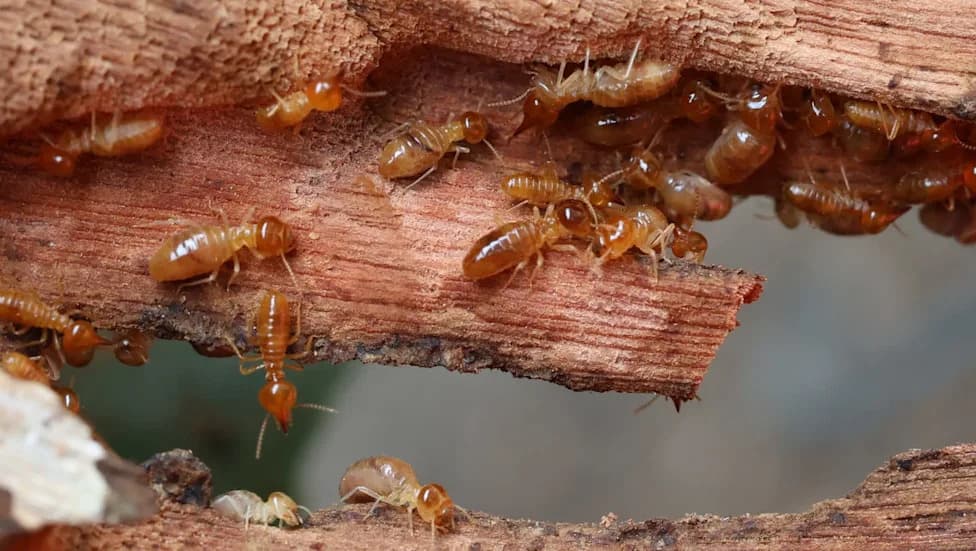
Photo Credit: iStock
Researchers at the University of Florida warn that the state's dense network of private boats and heavy marina traffic may be transporting destructive subterranean termites from marina to marina — and even inland. A 2025 paper in Economic Entomology analyzed more than three decades of infestation records and found patterns that boating activity likely helped create.
Which Termites Are Spreading?
The study focuses on two invasive species: the Formosan subterranean termite and the Asian subterranean termite. Both are considered more destructive than many native termites. According to UF associate professor of urban entomology Thomas Chouvenc, the observed distribution is hard to explain by natural dispersal alone.
"I would say it's been a long train crash in slow motion," Chouvenc said, describing the gradual but persistent expansion.
How Boats May Be Involved
Termites typically disperse only short distances after swarming — roughly the length of a city block — but the Formosan termite has been detected in all highly populated coastal counties and in 44 of Florida's 67 counties. Florida reported 1.02 million registered vessels in 2022 (a 14% increase since 2012), and South Florida alone has more than 100,000 vessels. Because many boats are trailered or move between marinas, they are a plausible vector for transporting infested wood inland and between waterways.
Consequences For Homes, Marinas And Trees
Both species can infest live, healthy trees and hollow them from the inside, increasing the risk of tree failure and loss of urban canopy. Infestations raise costs for homeowners and marina operators through repairs, fumigation and tree removal. Canal and waterway connections can allow colonies to move from marinas into nearby neighborhoods.
Signs, Treatment And Monitoring
Boat owners and marina staff should watch for common signs of infestation: swarming insects, discarded wings, and mud tubes — narrow, dirt-colored tunnels termites build to travel between colonies and food sources. Larger vessels that contain more wood can support colonies for longer periods.
The UF study collaborated with pest-control providers to track where new infestations appear. Some companies are already treating boats much like homes; for example, Krypton Pest Control reported treating about five boats in 2025 and said marine clients make up roughly 3% of its business.
What’s Next?
UF researchers recommend continued monitoring and closer collaboration with pest-control firms, marina operators and boat owners to manage this emerging pathway of spread. Practical steps for boat owners include regular inspections, removing unnecessary wood from vessels, and consulting licensed pest-control professionals when signs appear.
Help us improve.