Summary: The person who shot 49ers wide receiver Ricky Pearsall during an attempted robbery in Union Square has not been publicly identified. Pearsall, the 31st pick in the 2024 NFL Draft, survived a chest wound, missed six games, and later returned in Week 7. San Francisco prosecutors sought adult attempted-murder charges, but Proposition 57 and other state rules limited transfer to adult court and a judge denied the request. Critics say those rules can reduce transparency and public accountability in violent juvenile cases.
Who Shot Ricky Pearsall? How California’s Juvenile-Justice Rules Kept The Suspect Out Of Public View
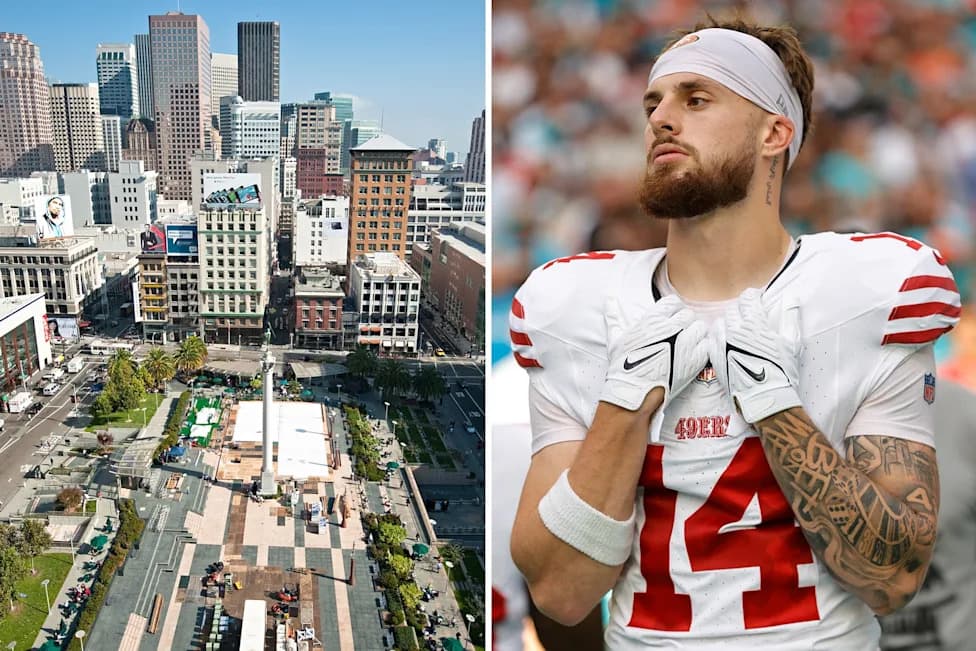
The identity of the person who shot San Francisco 49ers wide receiver Ricky Pearsall remains largely unknown to the public, sparking questions about transparency in California's juvenile-justice system.
What Happened
Pearsall, the 31st overall pick in the 2024 NFL Draft, was shopping in Union Square when, according to reports, an armed thief demanded his watch. Pearsall refused and a struggle followed; he was struck by a bullet in the chest. Miraculously, the bullet missed vital organs and he survived in stable condition, though he missed the preseason and the team’s first six games before returning in Week 7.
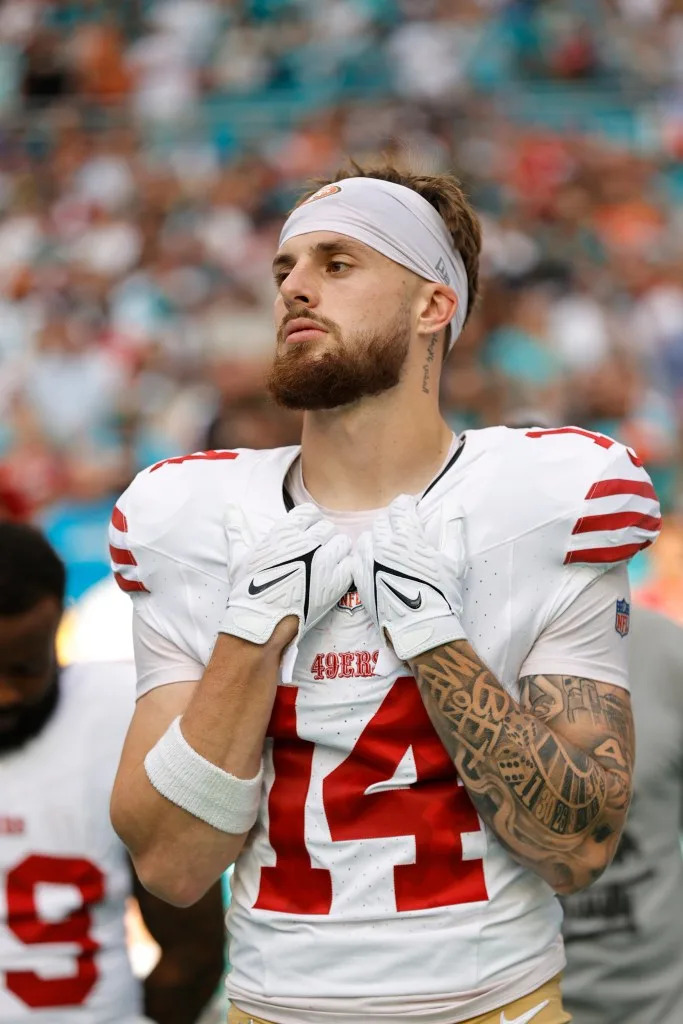
Ricky Pearsall #14 of the San Francisco 49ers stands on the sideline before a game against the Miami Dolphins at Hard Rock Stadium in Miami Gardens, Florida, on Sunday, December 22, 2024. Getty Images
Legal Efforts And Limits
San Francisco District Attorney Brooke Jenkins sought to charge the accused robber as an adult on an attempted-murder count. Prosecutors' efforts to transfer juveniles into adult court, however, face legal limits under measures adopted in California in recent years. Voters passed Proposition 57 in 2016, which narrowed prosecutors' authority to move juveniles into adult court; state law also restricts adult prosecution of defendants beneath a certain age. A judge denied the DA’s request to try the accused as an adult last September, and public details about subsequent proceedings have been scarce.
Transparency And Public Concern
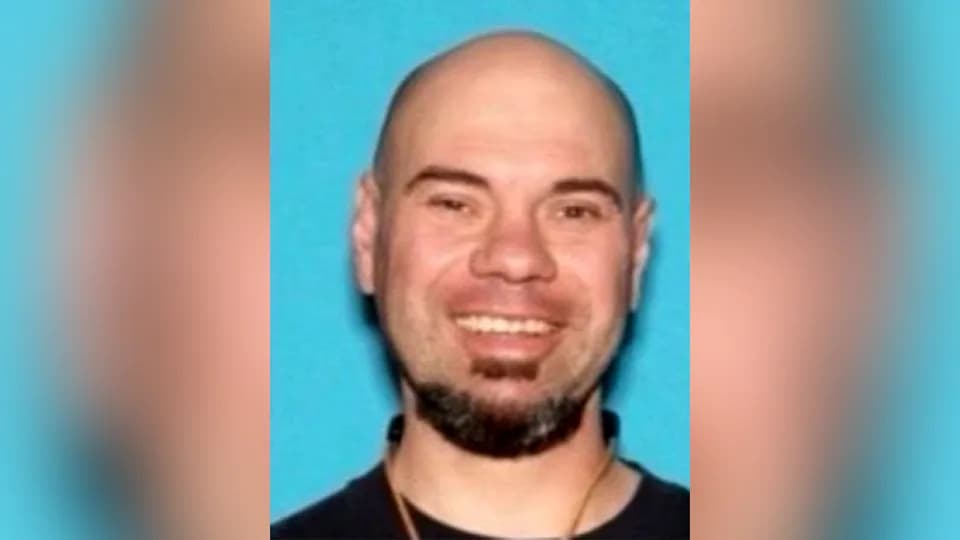
Media reports described the suspect as a teenage high-school student from Tracy, about 70 miles from San Francisco. But the suspect’s name, photograph and many court records have not been publicly disclosed, consistent with legal protections for juvenile defendants. Supporters of those protections say they are necessary for rehabilitation and to avoid lifelong stigma; critics argue they can shield serious offenders from public accountability and leave victims and communities without clear information about outcomes.
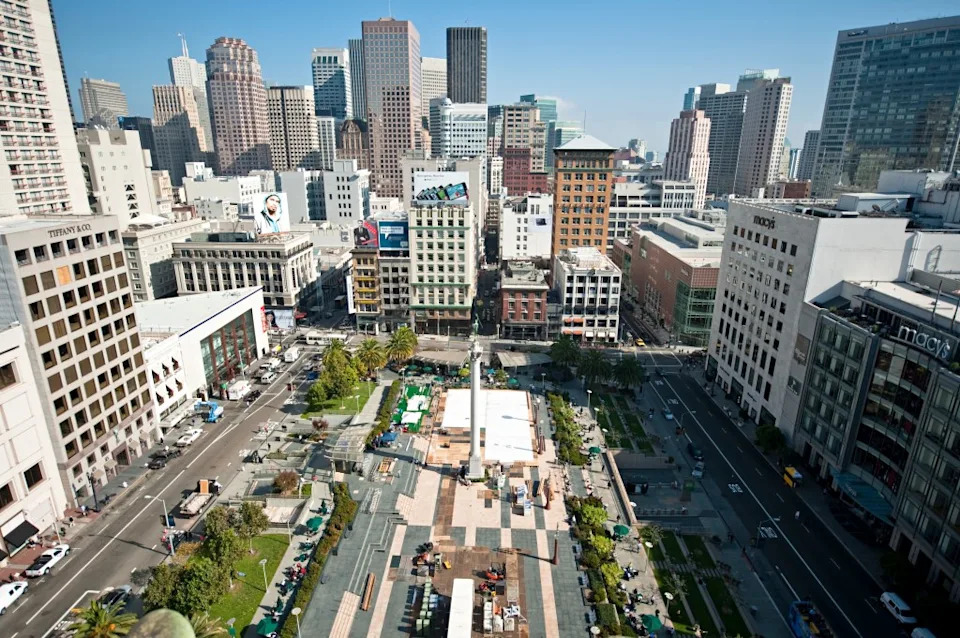
Union Square skyline and city buildings are seen on Wednesday, November 4, 2009, in San Francisco. Getty Images
Legal Balance: The case highlights a persistent tension—between protecting young defendants and ensuring transparency and accountability when violent crimes occur.
For now, public records in the Pearsall case remain thin: no widely released name, mug shot, trial schedule or sentence has emerged. That gap has amplified debate around juvenile-court rules and whether they serve public safety and victims’ rights in high-profile violent cases.
By Lloyd Billingsley, policy fellow, Independent Institute, Oakland, California.
Help us improve.