The King's Fund analysis finds obesity in England has doubled from 15% in 1993 to 30% in 2024, leaving about 14 million adults affected. The steepest rise is among 16–24 year‑olds (6% → 18%), representing roughly one million young adults with obesity. Experts highlight more sedentary jobs, cheaper calorie‑dense foods and expanded delivery services as key drivers; policy responses and access to medical treatments have been uneven.
Obesity in England Has Doubled Since 1993 — What’s Driving the Surge?
[Getty Images]
If obesity rates in England had stayed at 1993 levels, roughly seven million fewer adults would now be living with obesity. Instead, about 14 million adults are classified as obese today despite 14 national obesity strategies published since 1992.
New analysis from the King's Fund shows the share of adults (aged 16+) with obesity rose from 15% in 1993 to a record 30% in 2024. The fastest-growing group is 16–24 year‑olds: obesity and severe obesity in this cohort increased from 6% in 1993 to 18% in 2024, representing roughly one million young adults — around 700,000 more than if 1993 rates had persisted.
Why Are Rates Rising?
Experts point to a mix of social, economic and environmental changes over the past 30 years:
- More sedentary work: The economy has shifted toward service-sector, white‑collar jobs and away from manufacturing and manual labour, reducing average daily physical activity for many people.
- Cheaper, more pervasive calorie-dense food: Increased supermarket competition, a proliferation of fast-food outlets and the rise of home delivery have made high‑calorie, high‑fat and high‑sugar foods easier and cheaper to access.
- Deprivation and cost pressures: Less healthy options are disproportionately available and affordable in more deprived areas, and recent cost‑of‑living pressures have made cheaper, less healthy options relatively more attractive for some households.
Health and Economic Consequences
Obesity is a risk factor for type 2 diabetes, heart disease, high blood pressure, osteoarthritis and several cancers. Analysts estimate overweight and obesity cost the UK about £126bn per year, including roughly £12bn to the NHS — around 7% of its annual budget.
Policy Response So Far
Since 1992 governments have published 14 national obesity strategies. Measures across administrations have included restrictions on junk‑food advertising during children’s TV under Tony Blair, a sugar‑tax on soft drinks in 2018 that incentivised reformulation, and more recently (January this year) a ban on junk‑food advertising on TV before 21:00 and at any time online.
Many proposed actions — from limiting price promotions on unhealthy items to tighter local planning rules around takeaways near schools — have been debated but not fully implemented. Dave Buck, senior fellow for public health at the King's Fund, said the failure to take stronger action is “clearly worrying” and amounts to “talking the talk but not sufficiently walking the walk.”
Treatments And The Role Of Medication
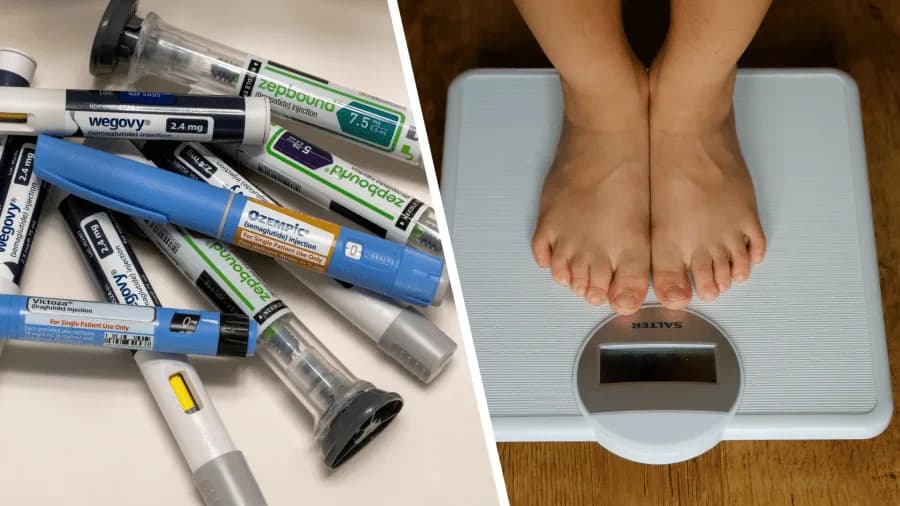
Pharmaceutical advances are reshaping treatment options: GLP‑1 drugs such as Wegovy and Mounjaro are increasingly used to help people lose weight. On the NHS, Wegovy is available for adults with a BMI of at least 35 plus at least one weight‑related health condition; Mounjaro has been offered through specialist NHS weight‑loss clinics in England and Wales since March 2025. Many people also obtain these medications privately, and a new daily pill already available in the US could arrive in the UK.
Prof Sir Chris Whitty has warned that relying on long‑term medication as the main response would represent a “societal failure,” urging policymakers to adopt broader population measures instead.
What Needs To Come Next?
Public health experts and campaigners argue that medication must be only one part of a comprehensive strategy that includes reducing the promotion and availability of less healthy foods, improving food affordability and access to healthier options, encouraging physical activity, and targeting interventions where health inequalities are greatest. The question now is which policy lessons the UK will adopt and how quickly.
Related coverage: rising obesity among young adults; daily pills to help maintain weight after stopping injections; how Mounjaro and Wegovy work.
Help us improve.