Blair Murray, 44, a former Royal Logistics Corps soldier, spent 15 weeks camping in woodland near Crook, County Durham after losing his home. Although he had a job and counselling lined up, both were delayed because he had no permanent address. After the BBC highlighted his case, Durham County Council and the Armed Forces Outreach Service placed him in a hotel while they seek long‑term accommodation. Veterans charities warn that delays and system failures deter others from seeking help.
Ex‑Soldier Spent 15 Weeks Camping in Woodland While Waiting for Social Housing
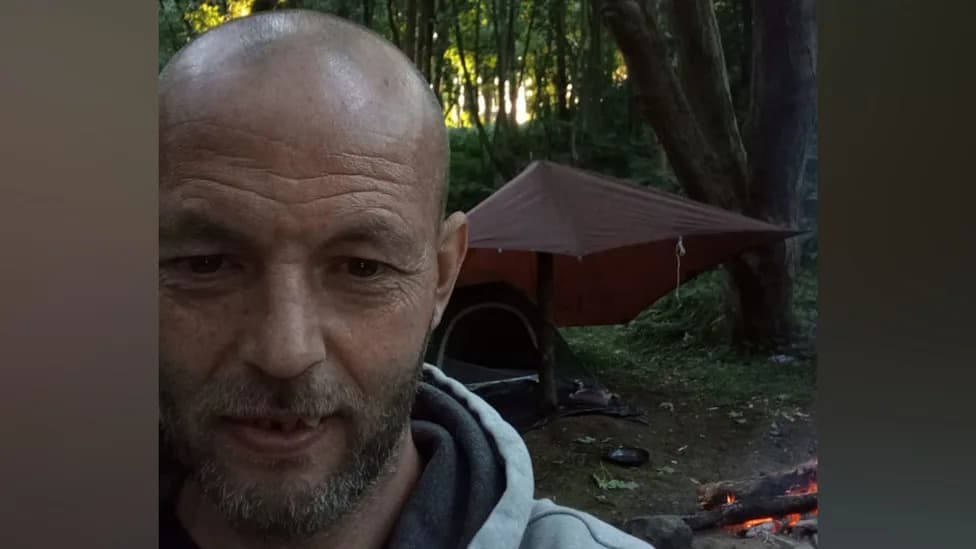
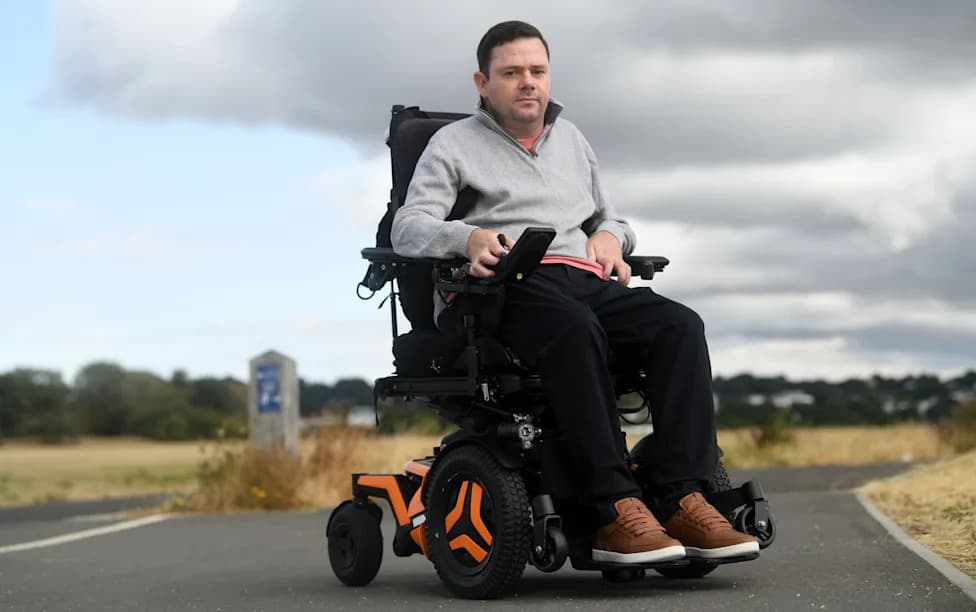
Blair Murray has been sleeping in woods near Crook in County Durham for 15 weeks [Blair Murray]
Blair Murray, 44, a former Royal Logistics Corps soldier, spent 15 weeks living in woodland near Crook, County Durham while his social housing application was processed.
Murray served for more than a decade in the Royal Logistics Corps, with tours of Iraq, Kosovo, Bosnia and the Falklands. He says he became homeless after a dispute with a landlord last year and spent months sofa‑surfing with friends before pitching a camp in nearby woods.
He had a job lined up and counselling sessions arranged, but both were delayed because he had no permanent address. After the BBC raised his case, Durham County Council's homeless prevention manager, Christopher Hepworth, said the council worked with the Armed Forces Outreach Service and had placed Murray in a Travelodge while longer‑term options are sought.
'We will continue to work with him to secure suitable, stable, long‑term accommodation,' Hepworth said.
The Office for Veterans' Affairs' most recent survey found about one in 400 ex‑service personnel reported being homeless or sleeping rough — a reminder of wider challenges some veterans face when leaving the military.
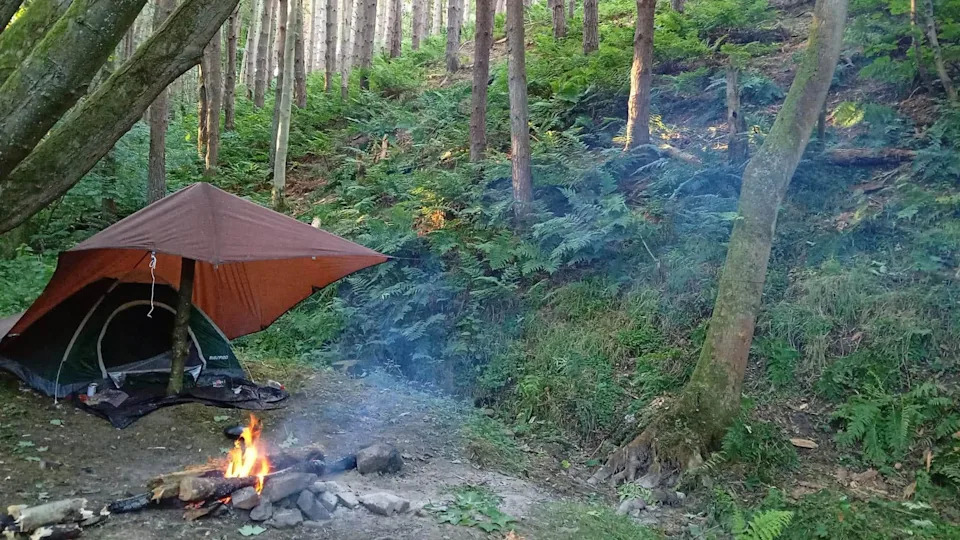
Murray was preparing to spend the winter sleeping rough before a hotel room was found for him [Veterans Response CIC]
Murray told the BBC he had previously developed a drug habit but had 'stepped away from that years ago.' He said he had rejected offers of hostel places because of the prevalence of drink and drugs there and feared returning to environments that might trigger relapse.
He also described frustration with the housing system: in three months he dealt with four different housing officers, missed meetings and unreturned calls left him feeling ignored. 'Nobody should be fighting to be heard the way I have been for the past 15 weeks,' he said. 'The whole process is wrong and the whole system is broken.'
Before the temporary hotel placement, Murray said he had been preparing to build a small wood cabin and that, while he practices survivalism as a hobby and is used to camping in winter, he normally has somewhere to return to.
Ian Driver, who runs the charity Veterans Response and had been supporting Murray with weekly food parcels, described the situation as 'just wrong.' He said repeated failures in the support system risk discouraging other veterans from seeking help: 'This whole process makes the veteran community not want to engage for support because they are going to get let down.'
Durham County Council said it provides 'practical advice' to veterans and connects them with local services and support. Council and charity efforts have secured temporary accommodation while they continue to look for longer‑term housing solutions.
Help us improve.