Wiza Bondele, a 29-year-old infection-control worker in Bunia, Ituri province, continues disinfecting wards and screening visitors despite not receiving the monthly salary promised when the Ebola outbreak was declared in mid-May. Confirmed cases have surpassed 4,000 with more than 1,800 deaths, and the outbreak — linked to the Bundibugyo virus — has no approved vaccine or treatment. Payment delays, attacks on health teams and widespread misinformation have prompted strikes and disrupted response efforts as authorities move to shift payments to mobile money.
Unpaid and Undeterred: A Front-Line Worker’s Fight Against the Fastest-Growing Ebola Outbreak
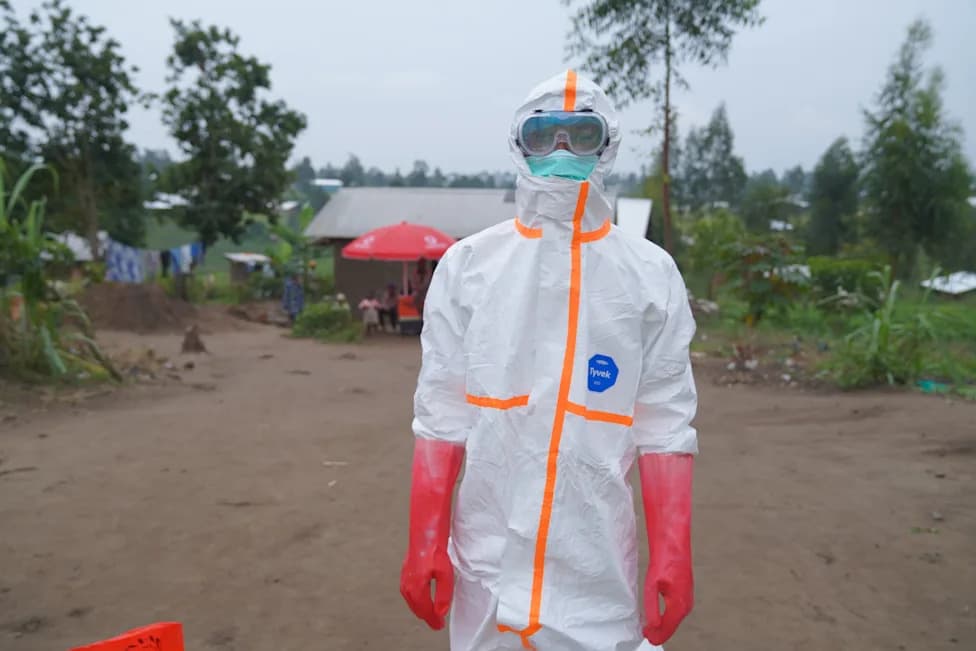
Wiza Bondele, a health worker on the prevention and control team, poses for a photograph in Ituri province, eastern Congo, Wednesday, Aug 5, 2026. (AP Photo/Dieudonne Dirole)(AP Photo/Dieudonne Dirole)
BUNIA, Democratic Republic of Congo — Wiza Bondele, a 29-year-old infection-control worker, arrives each day at an Ebola treatment center in eastern Ituri province with a single aim: slow the fastest-growing Ebola outbreak on record.
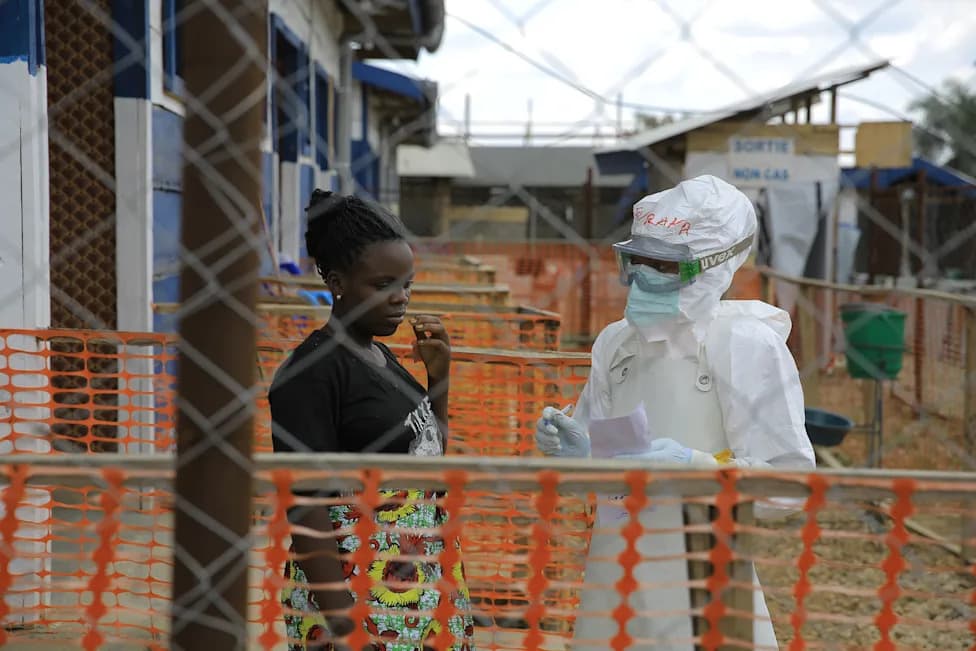
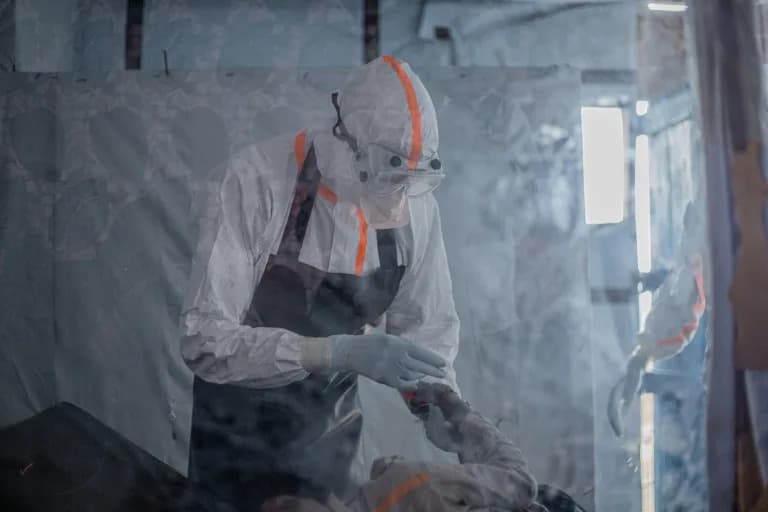
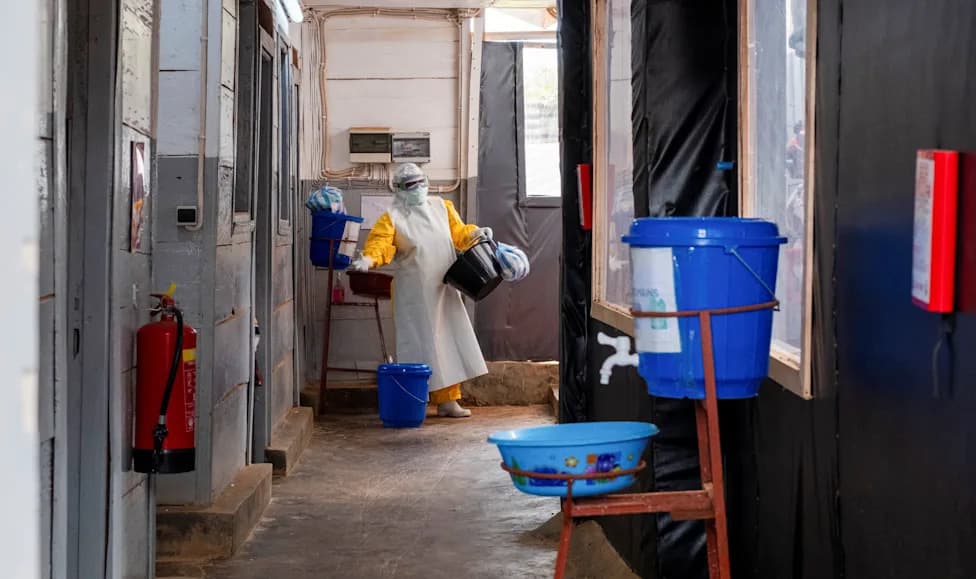
At the treatment center in Bunia — the epicenter of the current flare-up — Bondele disinfects contaminated areas, screens visitors' temperatures and enforces handwashing. Those duties put him at ongoing risk of exposure to the virus, yet he and hundreds of other front-line staff say they have not received the monthly wages promised when the outbreak was declared in mid-May.
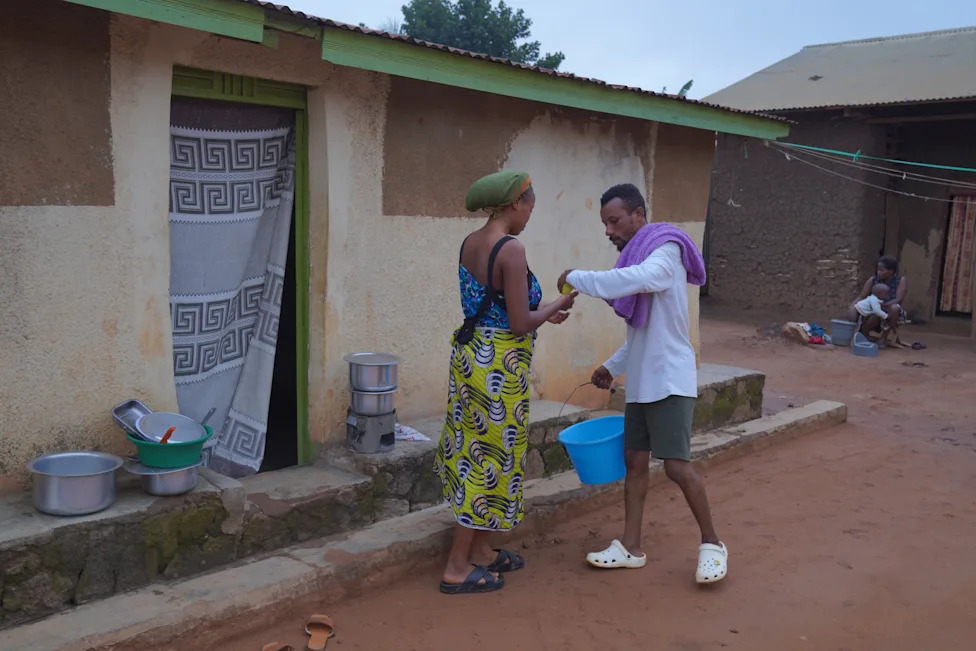
Wiza Bondele, right, a health worker on the prevention and control team, seen at his home in Ituri province, eastern Congo, Wednesday, Aug 5, 2026. (AP Photo/Dieudonne Dirole)(AP Photo/Dieudonne Dirole)
Unpaid Front-Line Workers
Poor welfare for front-line responders has emerged as a major obstacle to the response. Burial teams, drivers and clinical and non-clinical staff report delayed or partial payments of an agreed $510 monthly salary. Many registered for mobile-money transfers and signed attendance sheets but still waited — in some cases for months — for full payment.
"Sometimes patients are bleeding or vomiting blood. We clean and disinfect those places. With risks like that, we deserve salaries," Bondele told The Associated Press while on duty.
Strikes, Disruption and Danger
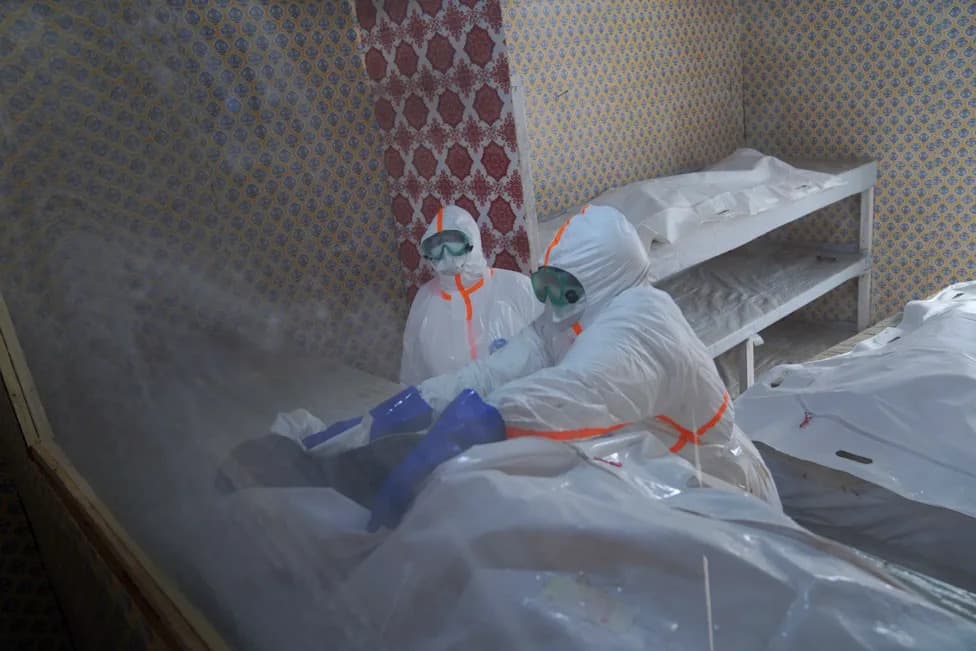
Payment disputes and repeated attacks on health teams and facilities have prompted protests and strikes, at times forcing workers to abandon posts and disrupting essential services. Officials warn the outbreak continues to spread rapidly, outpacing efforts to trace contacts and contain infections.
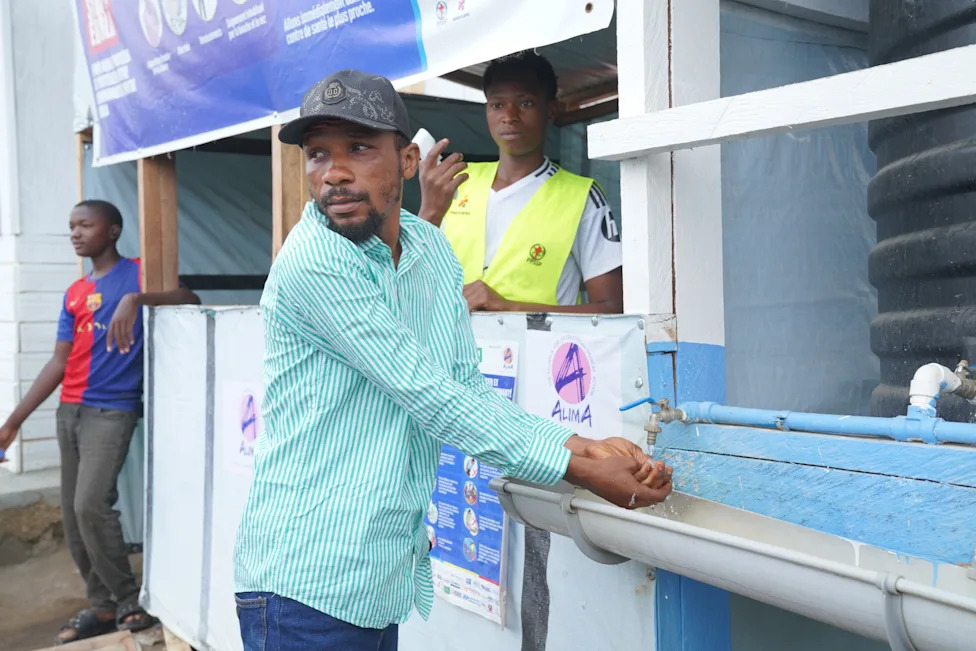
Wiza Bondele, a health worker on the prevention and control team, wash his hands upon arrival at the Ebola treatment centre in Ituri province, eastern Congo, Wednesday, Aug 5, 2026. (AP Photo/Dieudonne Dirole)(AP Photo/Dieudonne Dirole)
Government figures show confirmed cases have topped 4,000, with more than 1,800 deaths — making this the second-largest Ebola outbreak on record, after the 2014-2016 West Africa epidemic. This surge has been linked to the Bundibugyo virus, for which no approved vaccines or specific treatments currently exist.
Conditions on the Ground
Without regular pay, many responders struggle to afford basics: rent, food, transport, phone credit and household bills. Bondele described a morning when he ran out of fuel on his motorcycle, left it with neighbors and walked 13 kilometers (8 miles) to work; by arrival, his shoes had fallen apart.
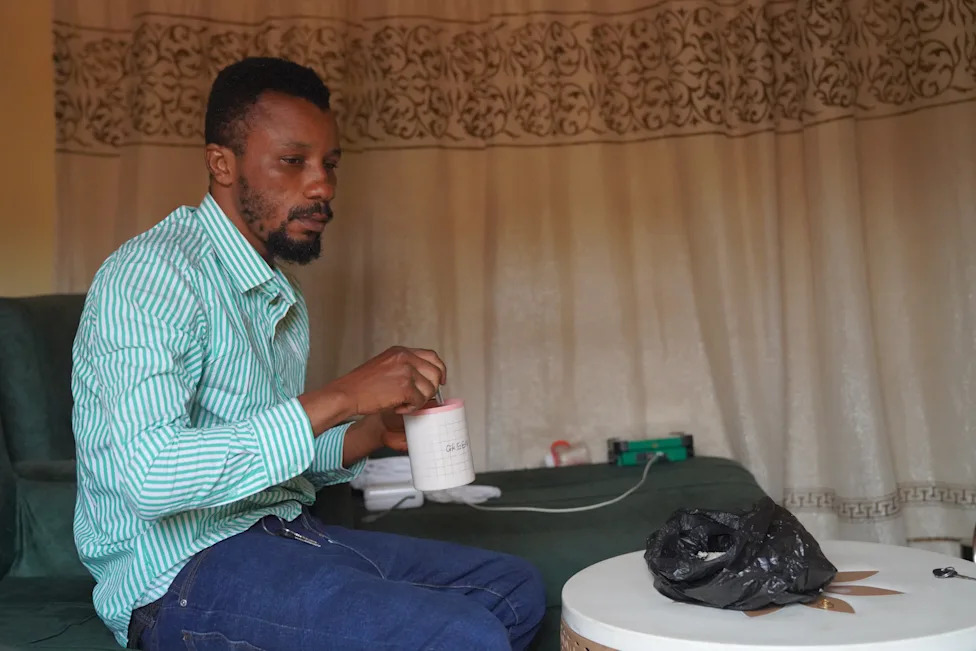
Wiza Bondele, a health worker on the prevention and control team, seen at his home in Ituri province, eastern Congo, Wednesday, Aug 5, 2026. (AP Photo/Dieudonne Dirole)(AP Photo/Dieudonne Dirole)
Despite these hardships, many staff continue to work seven days a week out of commitment to their communities. "My work is too important to abandon," Bondele said. Still, he voiced growing discouragement and frustration at delays and unclear explanations from authorities.
Compounding Challenges: Misinformation and Violence
The response is further strained by armed conflict, pervasive misinformation and deep public mistrust. Some communities resist basic prevention measures like handwashing and object to restrictions on traditional burials. Rumors that the outbreak is a hoax or that health workers are profiteering have sparked violence: treatment centers torched, hospitals stormed to seize bodies, and burial teams attacked.
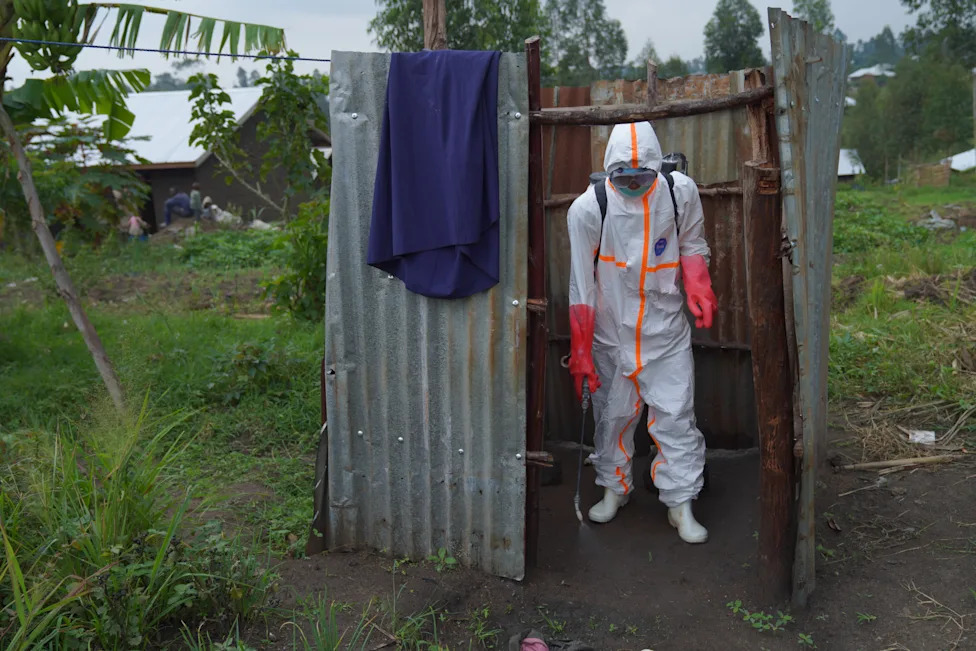
Wiza Bondele, a health worker on the prevention and control team, seen at work in Ituri province, eastern Congo, Wednesday, Aug 5, 2026. (AP Photo/Dieudonne Dirole)(AP Photo/Dieudonne Dirole)
Officials, including Dr. Adelard Lufungula, operations manager for the government’s Ebola response, say payment systems are being updated (with a move toward mobile-money transfers) and that backlogs are being addressed. Yet workers remain skeptical until arrears are actually cleared.
The Bigger Picture
The combination of unpaid staff, insecurity and misinformation threatens to slow containment work at a time when quick action is vital. Front-line workers like Bondele continue their duties at personal risk, calling for timely, transparent payment and stronger protections so the response can regain momentum.
For further reading: The Associated Press continues to cover the outbreak and its regional impact.
Help us improve.