Multiple salmonella outbreaks this summer in the US are linked to contaminated shell eggs, jalapeño peppers and contact with animals including backyard poultry and pet veiled chameleons. Hundreds of illnesses across dozens of states have been reported — including dozens of hospitalizations and one death — and federal agencies are investigating sources and distribution chains. Symptoms typically appear 6 hours to 6 days after exposure and most people recover without antibiotics, but young children, the elderly and immunocompromised are at higher risk of severe disease. Officials stress the four food-safety steps: Clean, Separate, Cook and Chill, and advise limiting young children’s contact with high-risk pets.
Summer Salmonella Surge: Eggs, Jalapeños, Backyard Birds and Pet Chameleons Linked to Hundreds of Illnesses
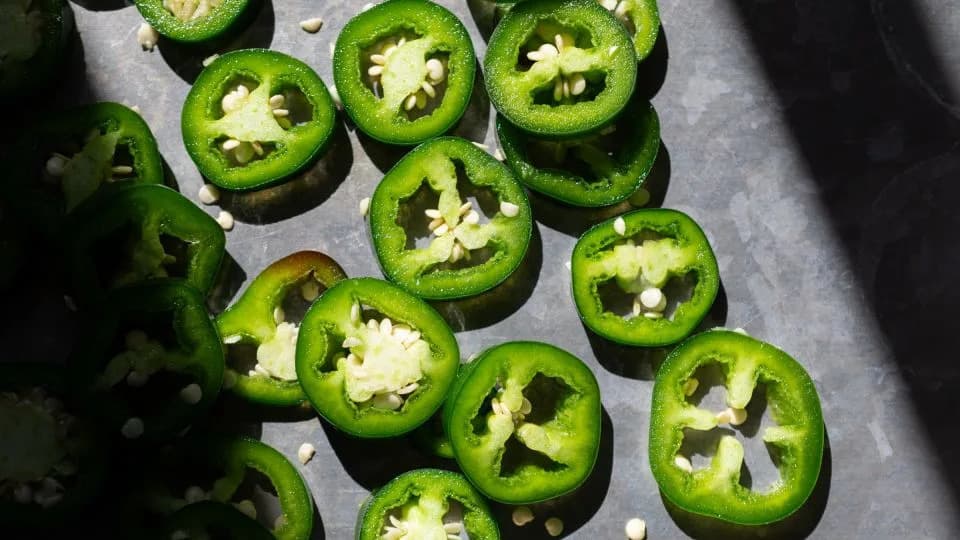
One ongoing outbreak involves jalapeño peppers grown in Sinaloa, Mexico, and distributed by Coast Citrus Distributors. - AnaDeePhotography/iStockphoto/Getty Images
The United States is facing multiple concurrent salmonella outbreaks this summer tied to both food and animals. Hundreds of illnesses across dozens of states have been reported, and at least one death has been confirmed as public-health agencies continue investigations.
What's Happening
The US Centers for Disease Control and Prevention (CDC) estimates salmonella causes about 1.35 million infections and roughly 420 deaths each year in the United States. While contaminated food remains the most common source, contact with animals and their environments is also a frequent route of infection.
Egg-Related Outbreak
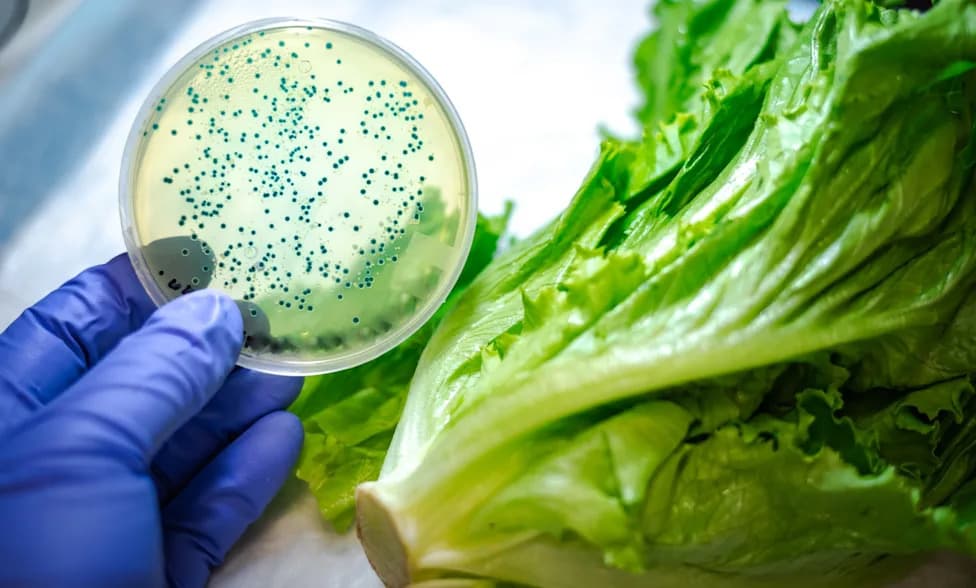
Investigators have linked an outbreak to shell eggs produced at a Texas facility. Midwest Poultry Services has recalled more than 1.5 million dozen egg cartons because of possible contamination, but the US Food and Drug Administration (FDA) says the recall does not explain all reported illnesses and continues to probe other sources. As of the latest reports, the egg-related cluster includes 98 cases and 26 hospitalizations across 17 states. Affected eggs were sold under several brand names (including Simple Truth, Brookshire's, Country Morning, Kroger and Cal-Maine) with "sell by" or "best used by" dates between July 20 and August 17, and were distributed to Kroger and Brookshire stores and various smaller retailers in Texas, Louisiana, Oklahoma, Arkansas, New Mexico and Mississippi.
Jalapeño Pepper Investigation
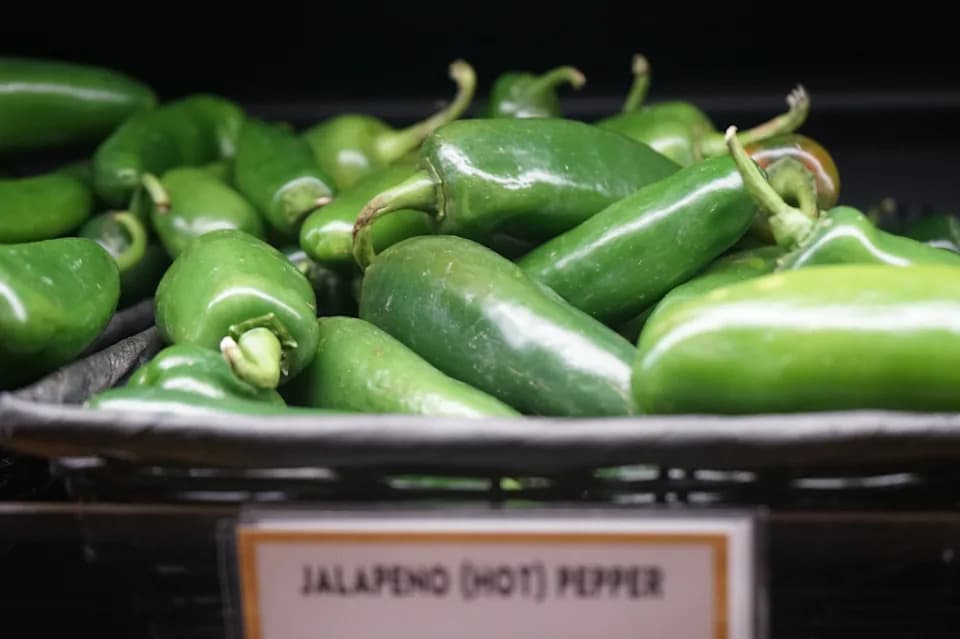
Another outbreak has been tied to jalapeño peppers grown in Sinaloa, Mexico, and distributed by Coast Citrus Distributors. As of August 5, the CDC had linked 345 cases in 27 states to this cluster with 36 known hospitalizations. The FDA reports these jalapeños were distributed mainly to restaurants, wholesalers and food-service operations rather than grocery stores. Many people who became ill reported eating at Mexican-style restaurants, including chains such as Chipotle and Qdoba, between June 14 and July 14; both companies reported they stopped serving the implicated products while the investigation continues.

In the outbreak linked with eggs, 98 cases with 26 hospitalizations have been reported in 17 states. - krblokhin/iStockphoto/Getty Images
Animal-Associated Outbreaks
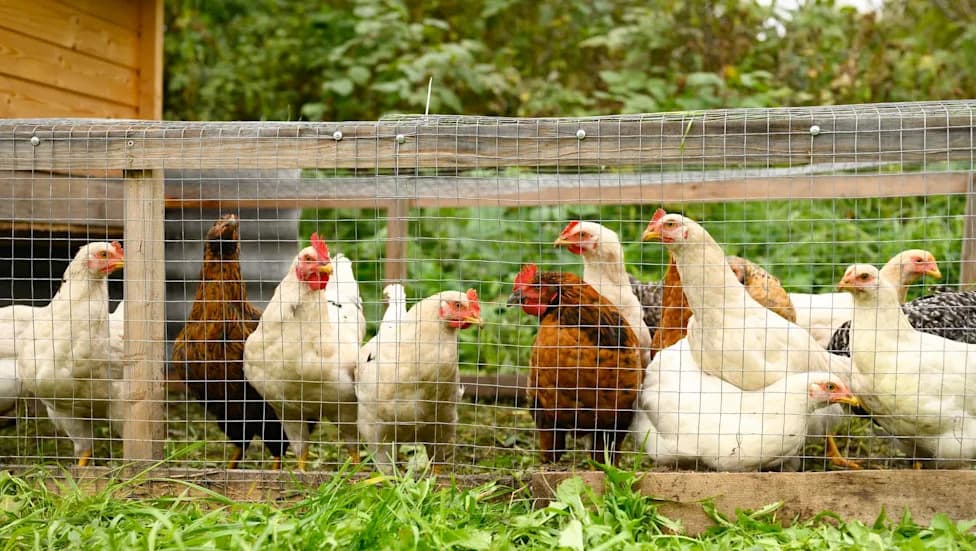
Public-health officials are also tracking several multistate outbreaks tied to animals. Clusters connected to backyard poultry — primarily chickens and ducks — have affected about 814 people in 44 states, with roughly 201 hospitalizations and one reported death as of late July. Approximately one-quarter of those infected are children under age five. The CDC noted one particularly large outbreak where an unusually high number of people reported contact with ducks.
A smaller, now-closed investigation involved veiled chameleons and illness among very young children. That outbreak began in February and concluded in June; all confirmed cases were among children under age three, with cases reported in Nebraska (two), Iowa, Oklahoma and Texas, and two children hospitalized.
Symptoms, Diagnosis and Treatment
Salmonella symptoms typically begin 6 hours to 6 days after exposure and commonly include stomach cramps, fever, nausea or vomiting and sometimes bloody diarrhea. Patients may also experience joint pain, severe back pain, urinary symptoms, night sweats or chest discomfort. Symptoms generally last four to seven days, and most healthy people recover without antibiotics.
Antibiotics are usually avoided for uncomplicated salmonella because they can prolong bacterial carriage in the body. According to infectious-disease specialists, antibiotics may be given when infection is severe, has spread to the bloodstream, or the patient is at high risk (pregnant, very young, elderly, or immunocompromised). Recommended options in severe cases include ciprofloxacin, azithromycin or ceftriaxone for adults; children may receive amoxicillin or trimethoprim-sulfamethoxazole when needed. Antidiarrheal drugs such as loperamide (Imodium A-D) can relieve cramps but may lengthen the illness, so clinicians often recommend rest and fluids instead.
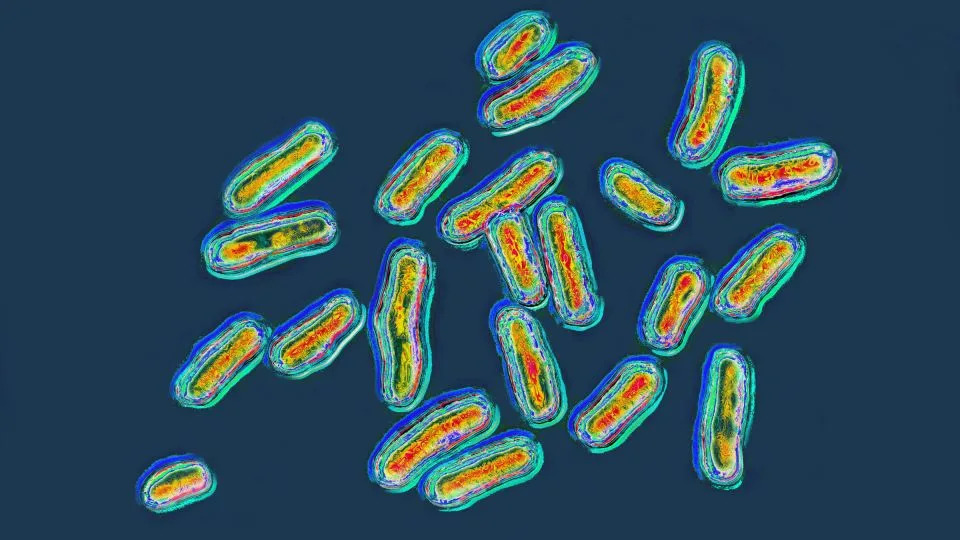
Salmonella symptoms typically start six hours to six days after someone comes into contact with the bacteria. - Cavallini James/BSIP/Universal Images Group/Getty Images
Because symptoms can resemble other foodborne illnesses (for example, cyclosporiasis), clinicians rely on lab tests of stool samples; diagnosing Cyclospora often requires a specific molecular test not always included in routine cultures. Unlike Cyclospora, Salmonella can spread directly from person to person.
Prevention: Clean, Separate, Cook and Chill
Public-health officials emphasize four basic steps to reduce risk: Clean, Separate, Cook and Chill.
- Clean: Wash hands with soap and water for at least 20 seconds before and after handling food and after touching animals such as chickens, ducks or reptiles. Clean counters, cutting boards and utensils after contact with raw meat or eggs.
- Separate: Keep raw poultry, eggs, seafood and meats away from ready-to-eat foods and produce to avoid cross-contamination.
- Cook: Cook poultry to an internal temperature of 165°F and ground meats and egg dishes to 160°F. Avoid raw or runny eggs in recipes.
- Chill: Refrigerate perishable foods and leftovers within two hours and keep refrigerators at 40°F (4°C) or below.
Additional pet-related guidance: the CDC recommends children under 5 avoid contact with chameleons and advises that no one kiss or snuggle poultry or reptiles. Keep animal habitats and supplies clean and out of areas where food is prepared.
Why Outbreaks Rise in Summer
Experts note seasonality in many foodborne illnesses. Warmer temperatures and growing-season conditions can increase bacterial growth and contamination risk in water and produce, contributing to higher numbers of outbreaks during warmer months.
Health agencies continue to investigate these outbreaks. If you develop severe symptoms—high fever, profuse bloody diarrhea, or signs of systemic infection—seek medical care. If you become ill, avoid preparing food for others until you have fully recovered.
Help us improve.