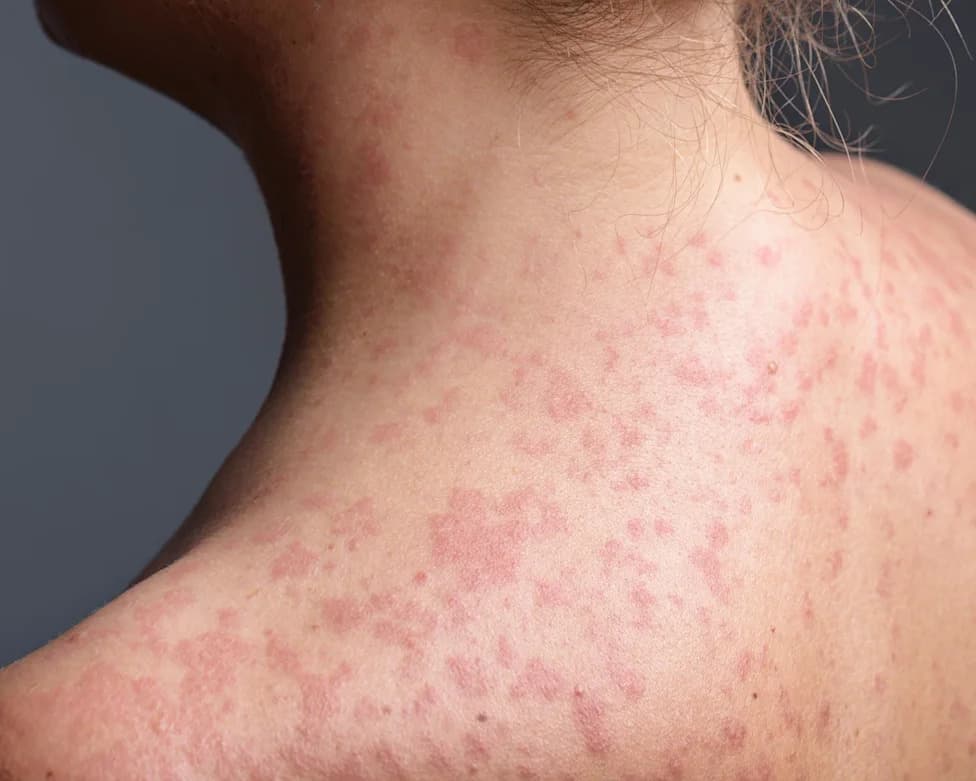
Typhus has reemerged among people in Los Angeles, linked to increased contact with rodents. Reported drivers include limits on some rodenticides and large homeless encampments that create unsanitary conditions. While plague exists at low levels in California rodents and transmission is possible via infected fleas, human cases are rare and treatable with antibiotics. Officials call for targeted rodent control, sanitation, and coordinated public-health and housing responses to reduce risk.
After Typhus Returns To Los Angeles, Could Bubonic Plague Follow?

Typhus — a flea-transmitted disease long associated with rodents — has reappeared on the streets of Los Angeles, prompting fresh concerns about other flea-borne illnesses, including the rare but present risk of bubonic plague in California.
What Happened
Health officials have linked recent typhus cases to increased contact between people and rodent populations. Authorities also reported a cluster tied to a vermin infestation inside City Hall, underscoring how urban rodent problems can affect public spaces.
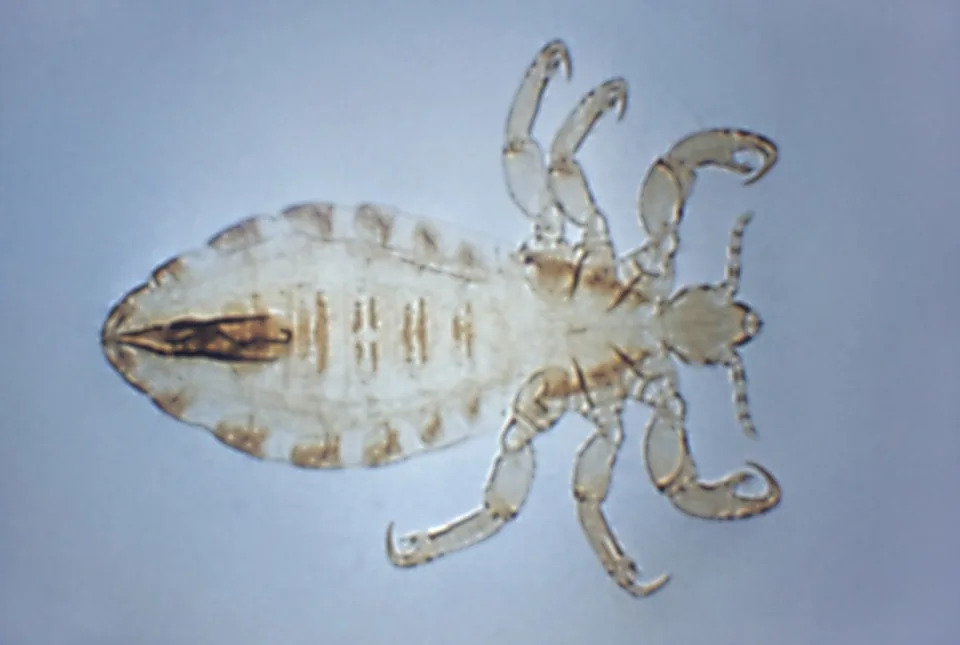
Not long ago, there was even a typhus outbreak in City Hall, thanks to an infestation of vermin. Getty Images
Why Rodent Numbers Are Rising
Reporting identifies two main contributors to the expanding rodent population in Los Angeles County: regulatory limits on certain rodenticides intended to reduce secondary poisoning of wildlife, and large homeless encampments that can create unsanitary conditions and attract pests. Critics argue these factors have made local pest control more difficult; public-health officials say effective, targeted solutions are needed that balance wildlife protection with human safety.
How Real Is The Plague Risk?
Plague remains endemic at low levels among wild rodents in parts of California. Transmission to humans typically requires a bite from an infected flea. While human cases are very rare, the presence of plague in local wildlife means the possibility cannot be dismissed entirely. Importantly, modern antibiotics are effective against plague when diagnosed early, making prompt medical care crucial.

The rodent population in Los Angeles county and city is out of control. Jonathan Alcorn for CA Post
Public-Health Steps And Precautions
Public-health experts recommend a combination of strategies to reduce risk:
- Targeted rodent control around homes, businesses, and public buildings, using methods that minimize harm to non-target wildlife.
- Sanitation and trash management to remove food sources that support rodent populations.
- Safe, humane approaches to addressing homeless encampments that include sanitation, medical services, and pathways to permanent housing, alongside cleanup and pest abatement.
- Public education: avoid handling rodents or sick/dead animals, seal gaps in buildings, use flea control for pets, and seek medical care for fever following possible exposure.
Looking Ahead
Los Angeles faces a public-health challenge that sits at the intersection of urban planning, social policy, and environmental protection. Controlling rodent-borne disease risk will require coordinated action from public-health authorities, animal-control and environmental agencies, and community providers. Clear communication, targeted pest management, and humane solutions for vulnerable populations can reduce disease risk while respecting wildlife protections.
Note: While worry about plague makes headlines, it remains an uncommon human threat in modern California; vigilance and routine public-health measures are the most effective defenses.
Help us improve.