
Amira, a 17-year-old from el-Fasher, gave birth after being abducted and repeatedly raped by RSF fighters. Civil registry collapse in Darfur and the inability to name a father have left her son unregistered and unable to receive vaccinations, schooling or legal recognition. Aid groups provide urgent medical and psychosocial support, but lawyers warn that restoring registration services and tackling stigma are essential to protect a generation of children born in conflict.
Invisible at Birth: Sudan’s Children Born of War Left Without Legal Identity
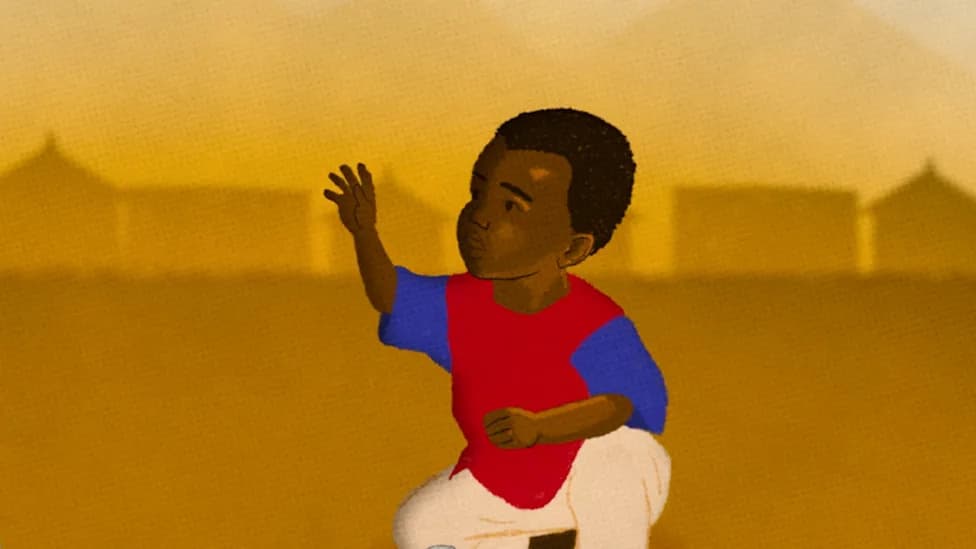
If a mother cannot provide the name of her child's father, she is often unable to get a birth certificate [BBC]
Amira, a 17-year-old from el-Fasher, cradles her infant son with a quiet, exhausted composure. "This son of mine has no father, no birth certificate and no national number," she tells the BBC, speaking of a child born after she was abducted and repeatedly raped during the fighting in Darfur.
The collapse of civil services across Darfur, combined with the social stigma around sexual violence, has left thousands of children effectively stateless. Without documentation they are denied essential services and long-term legal rights.

El-Fasher and its surrounds were under siege for 18 months - and many thousands of people escaped from the area on foot [BBC]
What Happened
Amira and her family fled el-Fasher—an eastern neighbourhood of the city that endured an 18-month siege after fighting erupted in April 2023. While attempting to escape in early 2025, she says three men from the Rapid Support Forces (RSF) abducted and held her captive in Tabit, south of el-Fasher. She was repeatedly raped and later discovered she was pregnant. After being abandoned by her captors, she received medical care at a humanitarian hub and gave birth in a hospital run by the International Medical Corps.
Why Registration Is Impossible For Many
Sudan's registration system normally requires identity details for both parents. Aid workers from the Nada Al-Azhar Foundation explain that when a father is unknown—particularly when the pregnancy is the result of sexual violence—mothers cannot provide the necessary information to produce a birth notification and complete civil registration. The situation is compounded by the closure of civil registry offices in conflict-affected areas like Darfur.
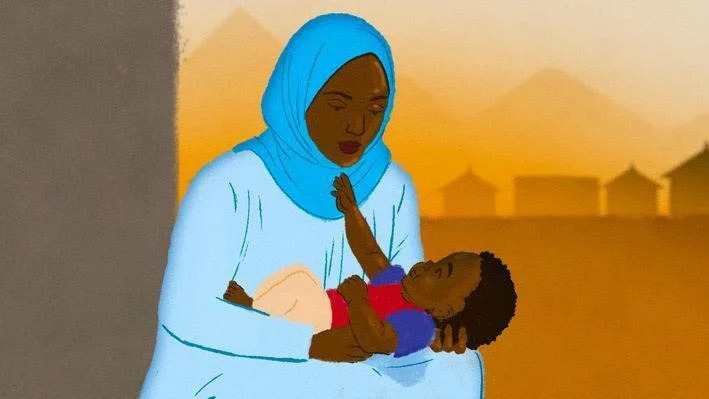
Amira and her child remain in administrative limbo [BBC]
"Even getting a birth notification from the hospital requires information that doesn't exist," Amira says. "I can't get him vaccinated or enrol him in nursery or school."
Legal Framework and Practical Barriers
Sudan's Child Act of 2010 allows registration of children born outside marriage and provides a pathway for registering children born of assault. In practice, however, the process relies on mothers reporting assaults to trigger social-service documentation and civil registry action. Many survivors do not report due to stigma, family pressures, or the fact they are minors and unable to approach authorities without a guardian.
Consequences for Children and Families
Without legal identity, children face immediate and long-term harms: missed vaccinations and health follow-up, exclusion from early childhood programs and schooling, and barriers to travel, employment and legal recognition as adults. Humanitarian and protection workers warn of a potential whole generation living with stigma and limited access to rights.

[BBC]
Humanitarian Response and Gaps
Organizations such as the International Medical Corps and Nada provide medical care, psychosocial support and family tracing. Yet these interventions cannot replace the need for functioning civil registration, legal aid and stigma reduction. Nada estimates that social stigma prevents official reporting in roughly 90% of the assault-related cases it records.
What Is Needed
Lawyers and aid workers urge reactivating civil registry services in accessible locations, strengthening legal pathways that do not force survivors to relive trauma, and community outreach to reduce stigma and enable reporting. Without administrative and social reforms, many children born during Sudan's conflict will remain invisible to the state and society.
Amira and her son remain in Darfur in administrative limbo. While the family is grateful to be reunited and grateful for psychosocial support from aid groups, the lack of a birth certificate leaves the child's future uncertain.
Help us improve.





















