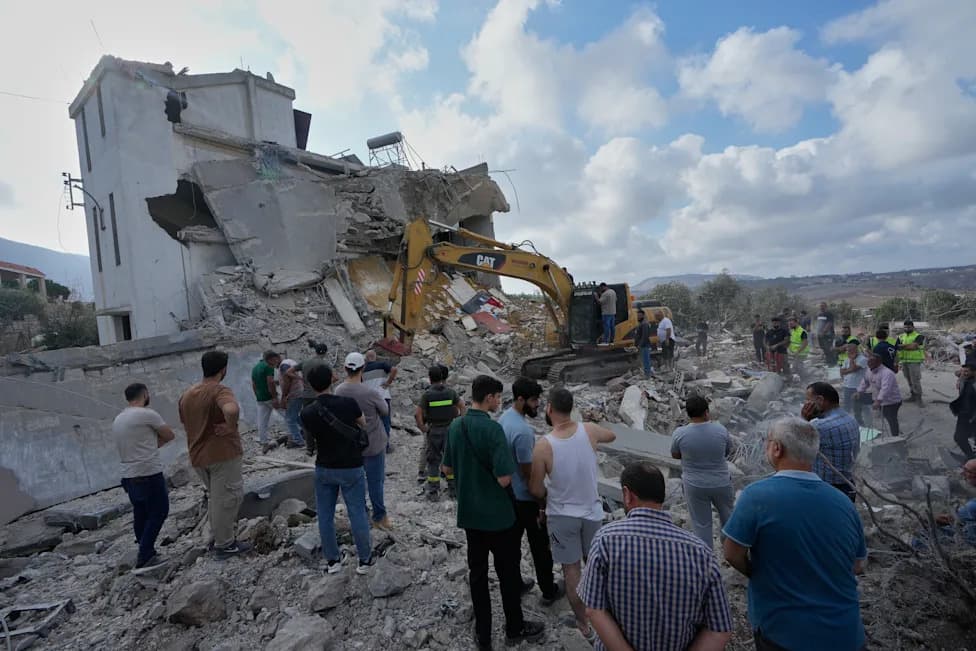
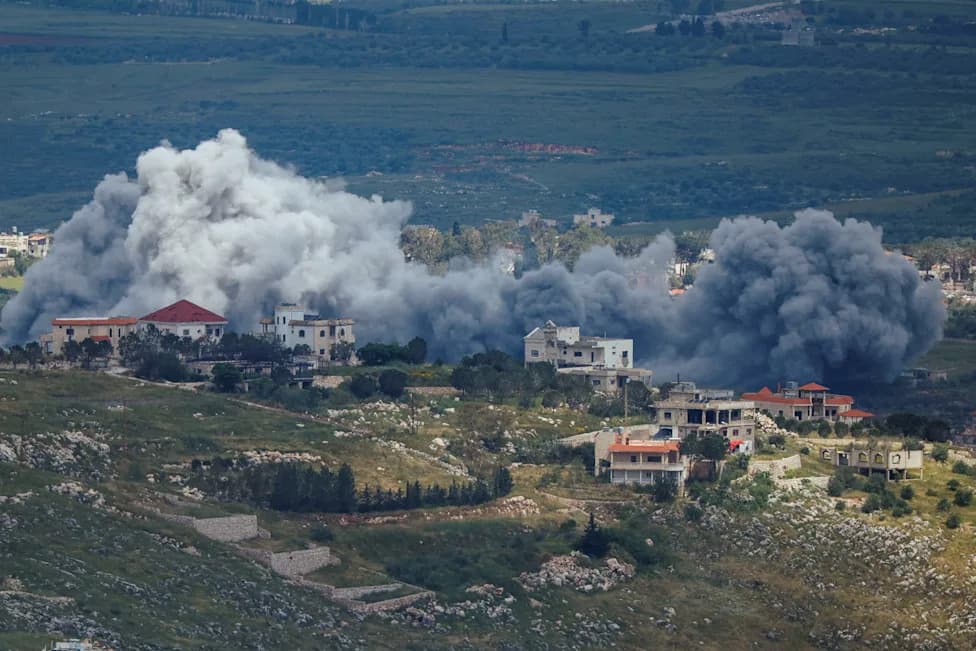
Israel resumed strikes in southern Lebanon this week and issued a forced evacuation order for al‑Mansouri, wounding at least eight people and displacing families who now wait on the town’s outskirts. Damage to homes and farmland has prompted anger and doubts that the June ceasefire will hold. Negotiations in Rome over a framework and “pilot zones” have not yet produced a meaningful Israeli withdrawal, and Hezbollah opposes the deal. Residents and critics warn of escalating humanitarian harm if a clear enforcement mechanism is not secured.
Israel Resumes Strikes in South Lebanon; Al‑Mansouri Evacuated as Residents Protest
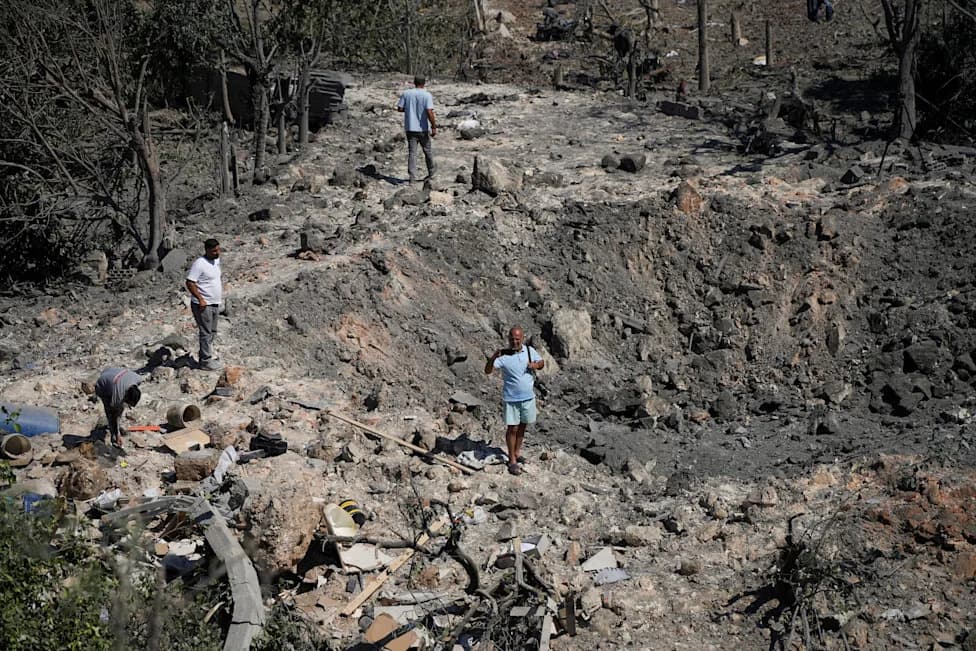
A site hit by Israeli strikes in Burj Shemali, southern Lebanon, August 6 [Reuters]
Residents of southern Lebanon have expressed mounting anger and helplessness after Israel renewed air and ground strikes and ordered a forced evacuation of the town of al‑Mansouri. The latest violence, concentrated on Thursday, wounded at least eight people and prompted families to gather on the town’s outskirts awaiting word they can return.
Forced Evacuations and Damage
On Wednesday the Israeli military issued a formal evacuation order for al‑Mansouri — its first displacement directive in weeks — triggering panic among civilians who had hoped the June ceasefire would hold. Witnesses describe Israeli forces demolishing homes and setting fire to farmland, including olive groves that families rely on for income.
“Mansouri is not part of Israel’s occupation zone,” said Yousef Shehemi, mayor of nearby Majdal Zoun, to Al Jazeera’s Zeina Khodr. “But Israel has no red lines — they target where they want. They have not respected any ceasefire.”
Local residents say they have little faith that ongoing negotiations between Lebanese and Israeli officials will guarantee a safe return. Abu Rached, from Majdal Zoun, told Al Jazeera: “Can’t you see what they did to south Lebanon? They’re destroying it, displacing people — even the [Lebanese] army can’t stay in al‑Mansouri. Where are the officials?”
Diplomacy And The ‘Framework’
Delegations from Lebanon and Israel met in Rome this week for another round of talks after both governments signed a framework intended to secure an Israeli withdrawal from parts of southern Lebanon once Hezbollah is disarmed. The agreement envisions “pilot zones” where Israeli forces would pull back and the Lebanese army would assume responsibility to prevent armed groups from operating outside state control, allowing displaced people to return.
However, so far the deal has not produced a significant Israeli withdrawal, and Hezbollah — which is not participating in the talks — has publicly opposed the framework.
Escalation And Local Impact
Hostilities flared again this week after an explosive device killed two Israeli soldiers; it remains unclear whether the device was planted before or after the June ceasefire, and Hezbollah has not claimed responsibility. While strikes were focused on al‑Mansouri, they were not limited to it: further north in Burj Shemali, an Israeli strike hit a residential house — the first attack there since the ceasefire took effect in June. Resident Almaza Hazim described running to aid injured neighbors before another strike destroyed the house.
Accusations And Humanitarian Concerns
Critics accuse the Israeli military of systematically razing villages, demolishing buildings and burning olive groves in southern Lebanon — actions some describe as amounting to ethnic cleansing, a charge the Israeli military denies. Humanitarian fears are rising as displaced families remain without clear guarantees of safety, access to aid, or prospects for returning home while negotiations continue.
What’s Next
With talks ongoing in Rome and violence persisting on the ground, residents and aid groups warn that without a verifiable and enforceable mechanism for withdrawal and civilian protection, the region risks further destruction and displacement.
Help us improve.