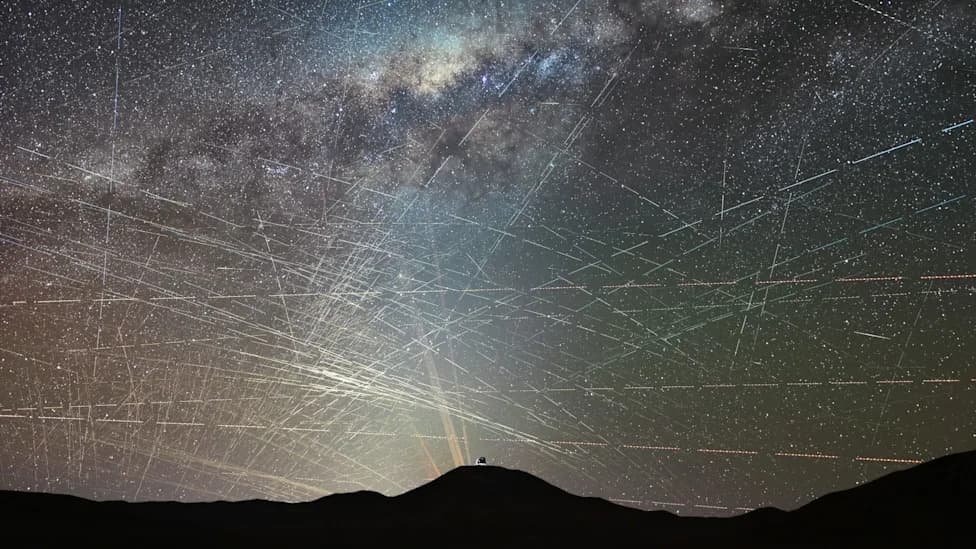
Four environmental groups have asked the FCC to overturn authorization of Reflect Orbital’s Earendil-1 test, which would use a 59-foot mirror in orbit to beam sunlight onto a select area on Earth at night. Petitioners warn the demonstration could set a precedent for a large constellation and raise risks to wildlife, ground-based astronomy and human safety. They demand a full environmental and safety review before any launch proceeds.
Environmental Groups Ask FCC To Revoke Approval Of Reflect Orbital’s 'Space Mirror' Test

Reflect Orbital's goal is to provide customers with sunlight whenever it's needed, without being limited by time of day, geography or infrastructure on the ground. (Reflect Orbital)
Four environmental organizations have filed a petition asking the Federal Communications Commission (FCC) to reverse its recent approval of a demonstration satellite that would reflect sunlight from orbit onto a selected spot on Earth at night. The petitioners say the agency failed to fully assess the proposal’s potential harms to wildlife, ground-based astronomy and public safety.
What’s Planned
Reflect Orbital’s Earendil-1 demonstration satellite is designed to carry a roughly 59-foot-wide mirror intended to concentrate sunlight into an area about 3.1 miles wide from an orbital altitude of about 400 miles. The company says the reflected beam can be adjusted or turned off by rotating the satellite, and has publicly described a long-term vision that could include tens of thousands of satellites.
Who Is Challenging The Approval
The petition was filed by DarkSky International, Environment America, the American Bird Conservancy and Public Employees for Environmental Responsibility. They asked the full commission to overturn a Space Bureau order that cleared the single test mission and to require a comprehensive review of environmental, safety and public-interest impacts before any launch proceeds.
Main Concerns
Eye Safety: Optical engineer Eric Bretschneider warned that concentrating sunlight into a small, intensely bright patch of night sky could produce glare and raise the risk of retinal injury for people who look at the beam—comparing the effect to “a helicopter shining a spotlight right at you.” Experts caution that intense visible and invisible solar radiation can damage the retina.
Aviation and Public Safety: Petitioners and experts say the concentrated glare could pose hazards for pilots and drivers. Because the beam could span several miles, thousands of people could be exposed without warning during a single pass.
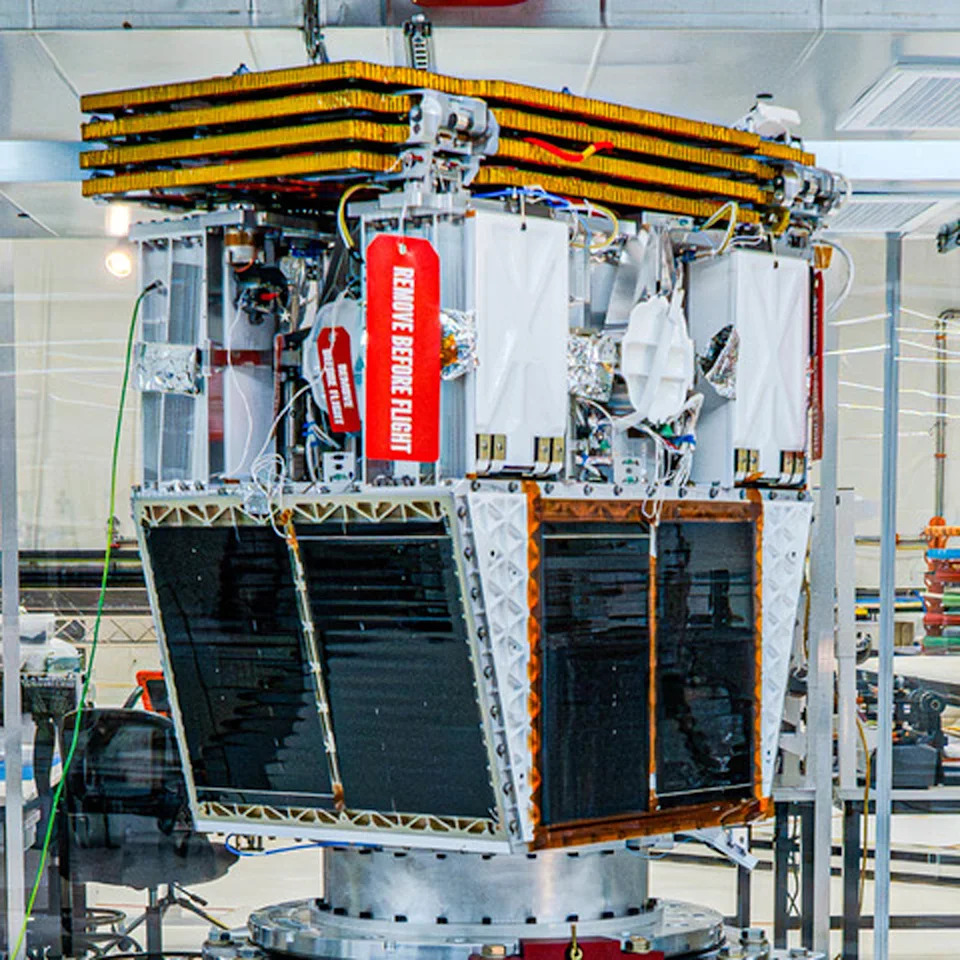
Reflect Orbital's Earendil-1 demonstration satellite will carry a 59-foot-wide mirror to reflect sunlight onto a specific spot on the planet during periods of darkness. (Reflect Orbital)
Astronomy: Samantha Lawler, an associate professor of astronomy, warned that the satellite would be visible across wide regions during each orbit, forcing astronomers worldwide to account for it when scheduling observations. Telescopes amplify incoming light, which raises concerns about washed-out images, damaged sensors and disrupted research.
Wildlife and Ecosystems: The coalition says artificial nighttime illumination can alter the behavior of migratory birds, nocturnal insects and other species that rely on natural light cycles for navigation, feeding and reproduction. Because Earendil-1 is a technology demonstrator for a potential future network, the groups argue the FCC should evaluate ecological impacts now.
Company And Agency Responses
Reflect Orbital has said it would avoid illuminating sensitive environments or designated astronomy sites and that satellites could be rotated to control or stop reflections. The company has proposed a possible megaconstellation of more than 50,000 satellites by 2035. The FCC did not immediately respond to inquiries about the petition, and Reflect Orbital declined to comment on the filing.
What The Petition Seeks
The petition asks the full commission to reverse the Space Bureau’s authorization of the test mission and to require a thorough environmental and safety review, public disclosure of impacts, and coordination with affected communities and scientific stakeholders before the demonstration proceeds.
“The FCC needs to take their responsibilities under the law seriously. Give us a full review. Listen to the public. Disclose the environmental impacts,” said Jan Hasselman of Earthjustice.
Originally reported by NBC News.
Help us improve.