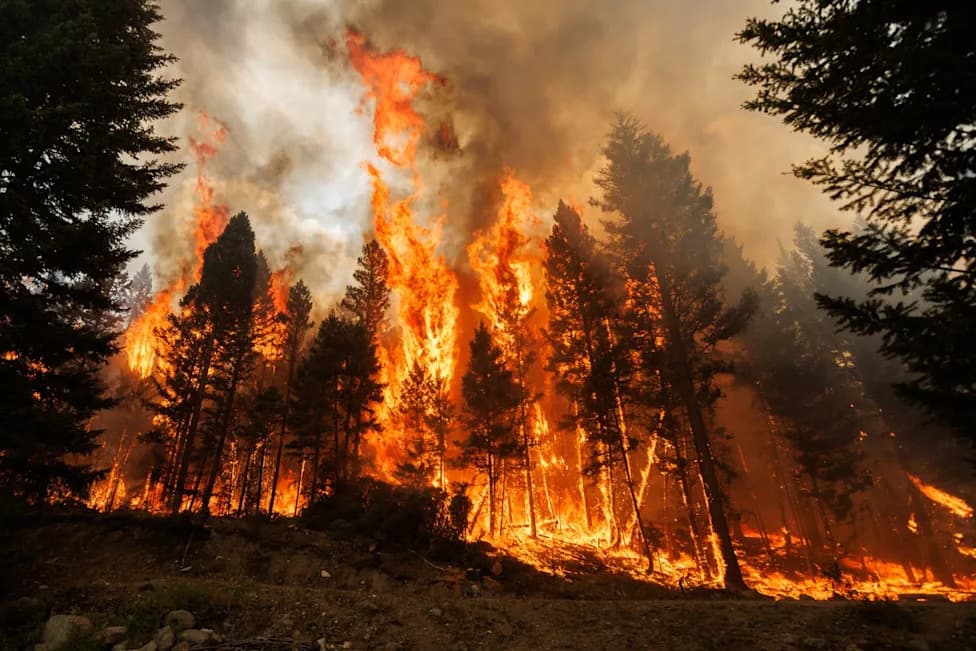
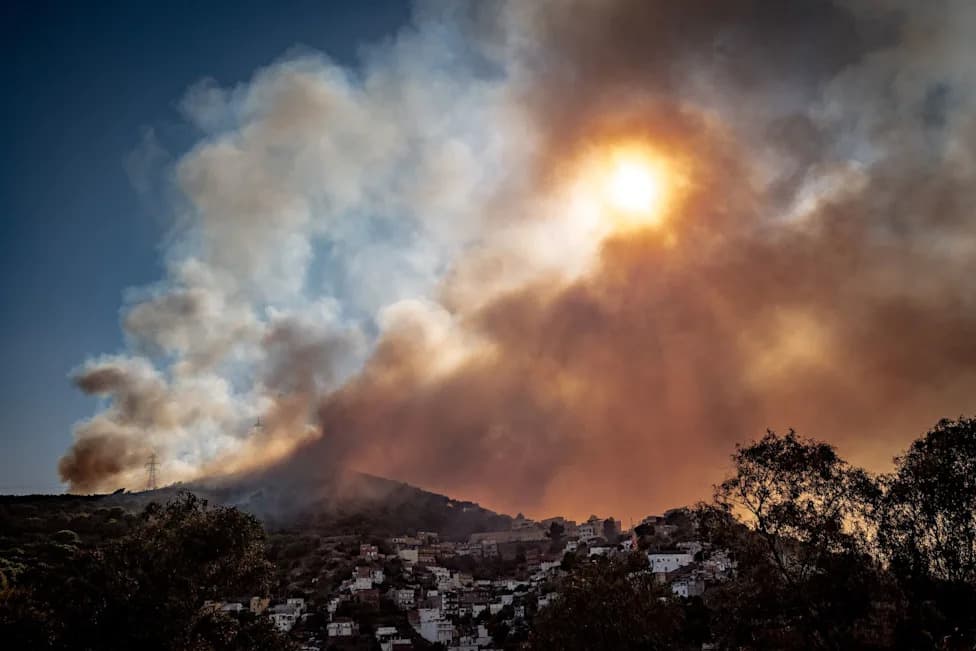
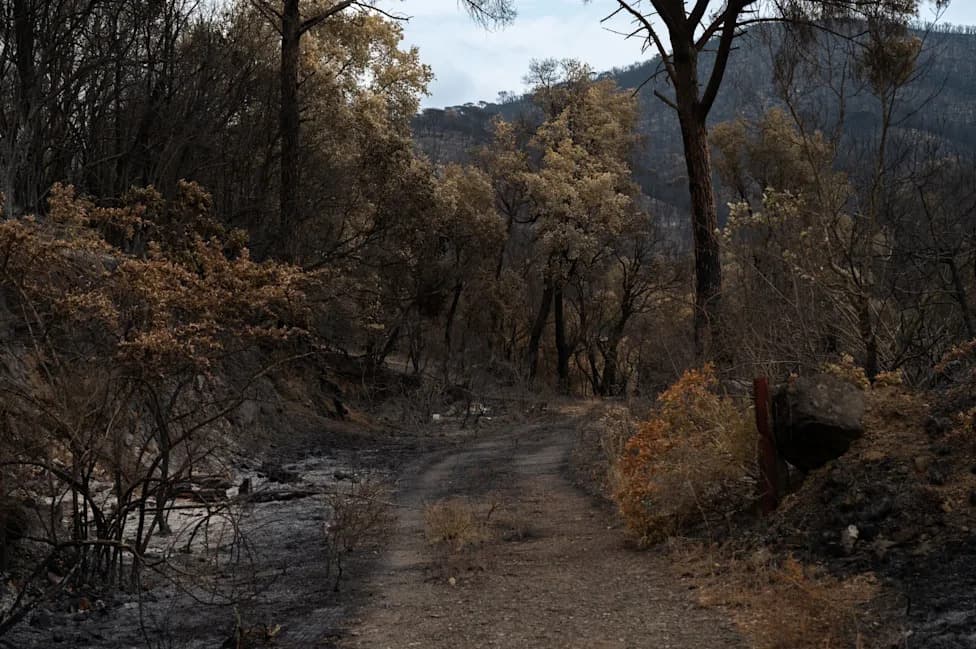
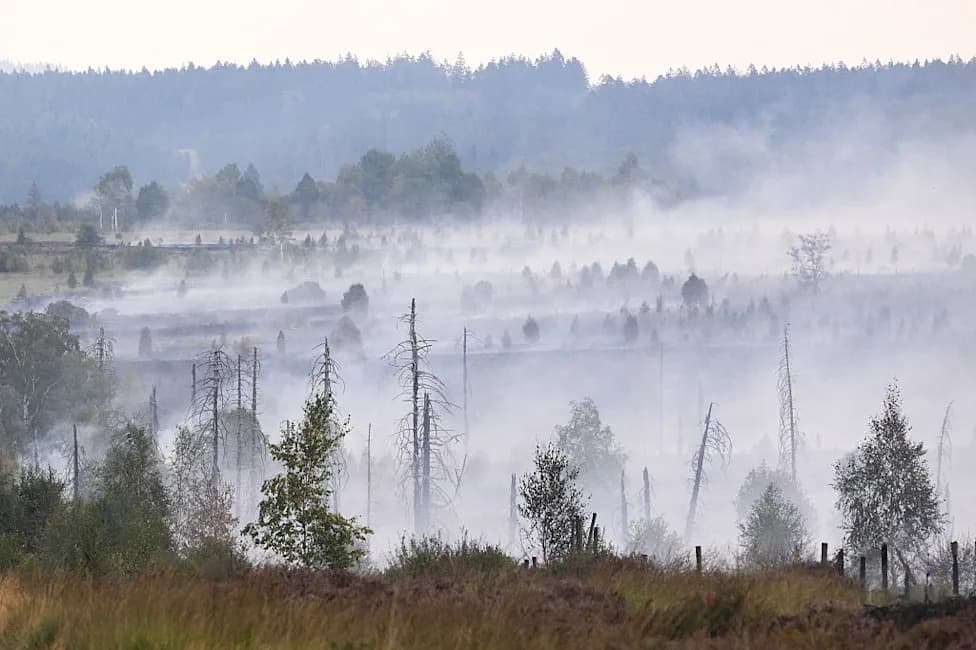
Wildfires in France and Spain are displacing residents and destroying large areas, but scientists warn that smoke — not flames — is the most serious health threat. Fine particles in wildfire smoke can trigger asthma, worsen heart and lung disease, raise hospital admissions, and contribute to premature deaths, even far from active fires. Research on Canada’s 2023 blazes linked smoke pollution to tens of thousands of deaths, underscoring the need for both personal precautions and long-term policies to reduce emissions.
Wildfire Smoke in France and Spain: The Hidden Public-Health Emergency
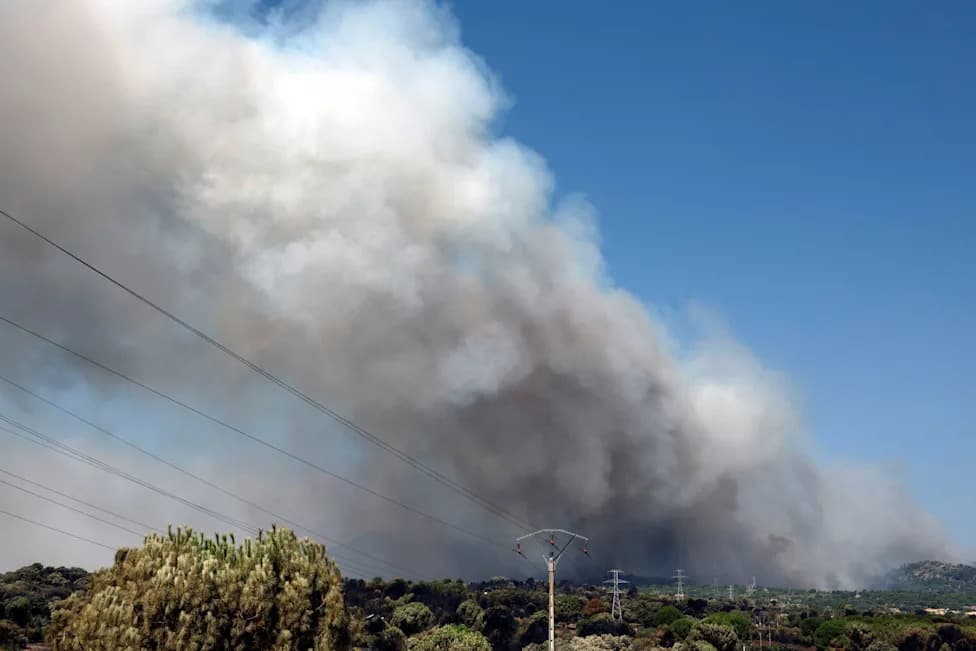
Photo Credit: Getty Images
Across regions of France and Spain, wildfires continue to force people from their homes and consume vast areas of vegetation. Yet experts warn the most serious health threat is not the visible flames but the smoke they produce — tiny particles that can travel far downwind and harm large populations.
Why Smoke Is So Dangerous
Wildfire smoke contains fine particulate matter (PM2.5) and other pollutants that penetrate deep into the lungs and can enter the bloodstream. These particles aggravate respiratory and cardiovascular disease, trigger asthma attacks, increase hospital admissions, and can contribute to premature death. Because smoke disperses with the wind, communities well outside evacuation zones may still face serious health risks.
Evidence and Context
In a widely viewed YouTube explainer, climate scientist Adam (@ClimateAdam), who holds a PhD from Oxford, reframed Europe’s wildfire crisis as a public-health emergency, warning that 'the danger from these fires isn't what you think.' He pointed to research from Canada’s 2023 wildfires that linked smoke-driven air pollution to tens of thousands of deaths and noted that smoke impacts were detected as far away as Europe.
'This is a reminder why stopping burning fossil fuels is so important,' the scientist said, linking hotter, drier conditions driven by climate change to longer, more intense fire seasons.
Who Is Most Vulnerable
Children, older adults, pregnant people, outdoor workers, and anyone with asthma or chronic heart or lung disease are especially at risk. Still, unhealthy air can affect almost anyone, particularly after prolonged exposure.
Practical Steps to Reduce Exposure
When smoke is present, take these precautions to lower your risk:
- Monitor local air quality (AQI) and alter plans when pollution is high.
- Limit strenuous outdoor activity and keep windows and doors closed.
- Use an air purifier with a HEPA filter or a high-efficiency HVAC filter indoors.
- Wear a well-fitted N95 (or equivalent) respirator if you must be outdoors; cloth masks are far less protective against fine particles.
- People with heart or lung conditions should keep medications accessible and follow their care plans; seek medical help for worsening symptoms.
Longer-Term Solutions
Individual actions reduce personal risk, but they do not address the root causes. Policymakers, utilities, and industry must accelerate efforts to cut emissions, strengthen land management, and invest in early detection and rapid fire response. Reducing greenhouse-gas emissions helps limit the extreme heat and drought that make wildfires more frequent and severe.
Bottom line: Wildfire smoke is an invisible but widespread health hazard. Awareness, preparation, and stronger climate and emissions policies are all needed to protect communities now and in the future.
Help us improve.