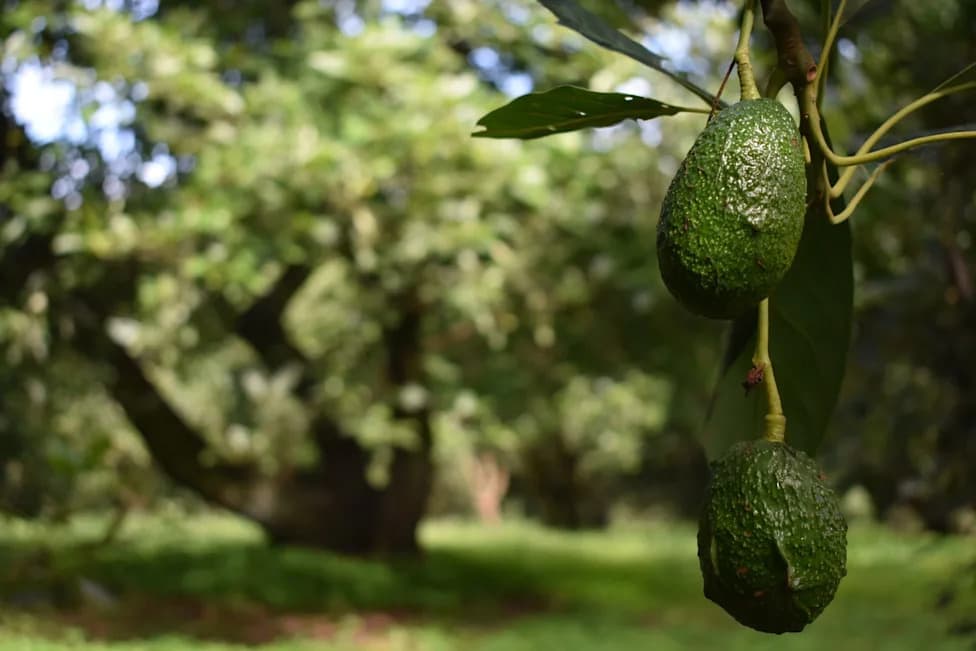
Mexico sent 1,500 extra troops to Michoacán after the U.S. suspended USDA avocado inspections there over a nonspecific security threat, halting exports from the main Mexican supplier of avocados to the U.S. The suspension — described as "preventive" after arrests tied to extortion — highlights longstanding cartel influence in the region and risks to a supply chain that generated about $3.7 billion in Mexican sales in 2025. While short pauses have typically been resolved quickly after increased security, growers warn extortion persists and prolonged stoppages could raise U.S. prices and harm roughly 200,000 workers.
U.S. Halts Avocado Inspections; Mexico Deploys 1,500 Troops to Michoacán to Restart Exports
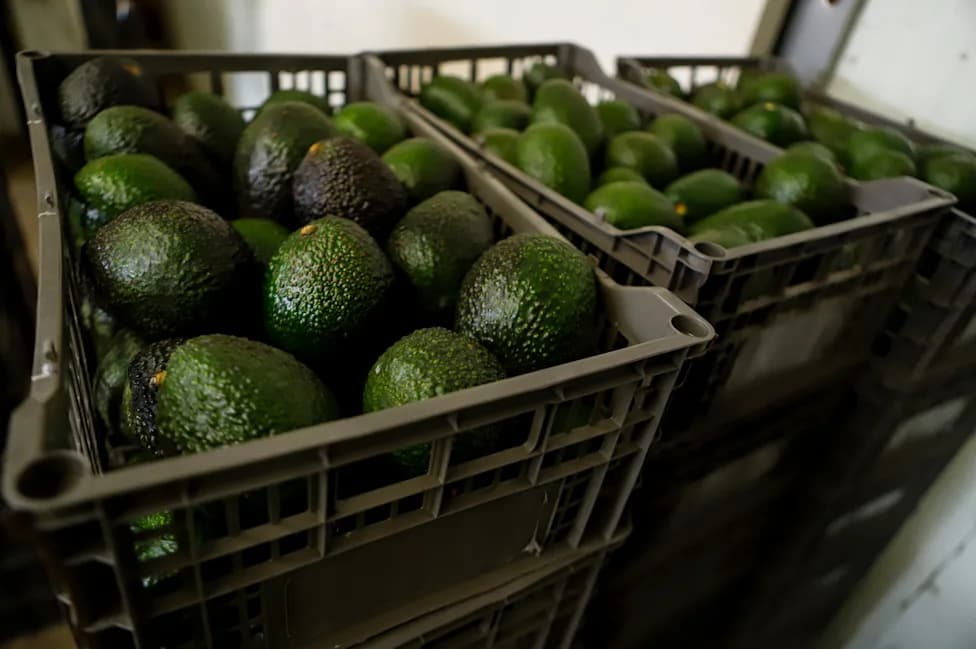
FILE - Crates of avocados wait to be processed at a packing plant in Uruapan, Mexico, Feb. 16, 2022. (AP Photo/Armando Solis, File)
Mexico deployed an additional 1,500 troops to the western state of Michoacán after U.S. authorities suspended government operations there — including on-site U.S. Department of Agriculture (USDA) avocado inspections — citing a nonspecific threat to American personnel. The pause in inspections halted exports from the region, threatening a supply chain that provides more than 80% of the avocados consumed in the United States.
Why Inspections Were Suspended
The USDA suspended agricultural inspections in Michoacán for security reasons. While officials described the move as "preventive" following recent arrests tied to extortion investigations, no single violent incident was cited in this latest suspension. Past interruptions were prompted by direct attacks on U.S. inspectors — in 2024 two USDA employees were assaulted and briefly detained in Michoacán — which led authorities to temporarily pause operations to protect personnel.
Economic Stakes and Supply Impact
The United States is the dominant market for Mexican avocados: more than 80% of avocados eaten in the U.S. come from Mexico, generating roughly $3.7 billion in Mexican sales in 2025. Michoacán is the country’s main avocado exporter and employs about 200,000 people in the industry. Jalisco is the only other Mexican state authorized by the USDA to export to the U.S. since 2022, but its export volume is much smaller.
Cartels, Extortion and Industry Pressure
Michoacán faces persistent cartel activity, with organized-crime groups involved in drug trafficking, violence and widespread extortion across local industries — including avocados. Growers say extortion payments can influence prices and erode profits. One Michoacán producer told the Associated Press he pays 1 peso per kilo in extortion fees and ships roughly 90 metric tons a day — more than $5,000 in daily payments — speaking on condition of anonymity for safety reasons.
“Cartels cannot be allowed to exploit trade agreements to undercut growers,” said Ken Melban, president of the California Avocado Commission, calling for stronger oversight of fruit bound for the U.S.
Typical Responses and What Might Happen Next
When inspections are halted, Mexican officials typically offer increased security to allow U.S. inspectors to resume work. President Claudia Sheinbaum said the deployed troops would focus on avocado-producing areas to expedite the restart of exports and suggested Mexican authorities could perform verifications themselves — an option considered previously but one for which the USDA has historically retained final responsibility, often with Mexican security forces escorting U.S. teams. Brief pauses in the past have usually been resolved within days because disruptions hurt growers, buyers and criminal rackets alike, but producers warn that increased security does not eliminate the underlying extortion.
Broader Consequences
Prolonged stoppages could push U.S. retail prices higher, disrupt supply for retailers and restaurants, and have significant economic consequences for roughly 200,000 workers tied to Michoacán's avocado sector. The pause underlines the fragility of an agricultural supply chain that depends on secure inspections and the rule of law across international borders.
Bylines: Amy Taxin contributed reporting from Santa Ana, California.
Help us improve.