Mexico's presidential expert panel has recommended banning hydraulic fracturing in the Tampico‑Misantla basin and allowing fracking elsewhere only if projects use deep saltwater sources. The advice aims to protect biodiversity and densely populated communities and to reduce pressure on freshwater supplies. The panel noted a single fracking well can consume 50,000–70,000 m³ of water and urged further study of the Sabinas‑Burro‑Picachos and Burgos basins.
Mexico Panel Urges Saltwater-Only Fracking, Bans Fracking in Biodiverse Tampico‑Misantla
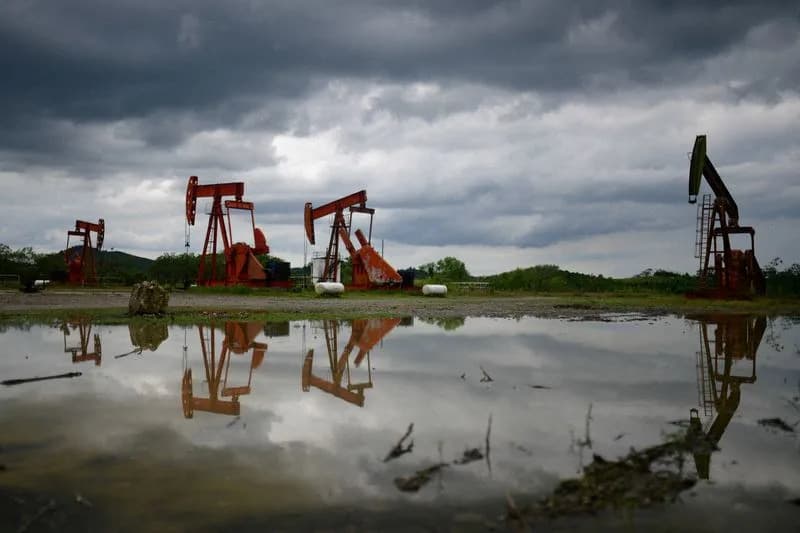
FILE PHOTO: Pump jacks operate at an oil well run by Mexican state oil firm Pemex, where Indigenous communities in the Papantla region sit atop gas and oil deposits the government wants to exploit using hydraulic fracturing, or fracking, in Arroyo Florido, Veracruz state, Mexico, April 10, 2026. REUTERS/Oscar Martinez/File Photo
On Aug. 6, a panel of experts appointed by President Claudia Sheinbaum recommended banning hydraulic fracturing in the Tampico‑Misantla basin and allowing fracking elsewhere in Mexico only if projects use deep saltwater, the panel said at the president's daily press briefing.
The advice is framed as a balance between energy development and environmental protection. Panel members said the measures aim to protect biodiversity and densely populated communities that could be affected by unconventional gas operations.
Key Recommendations
The panel's main recommendations include:
- Prohibit unconventional gas extraction in the Tampico‑Misantla basin, which runs along the Gulf coast in Veracruz, citing its rich biodiversity and relatively dense population.
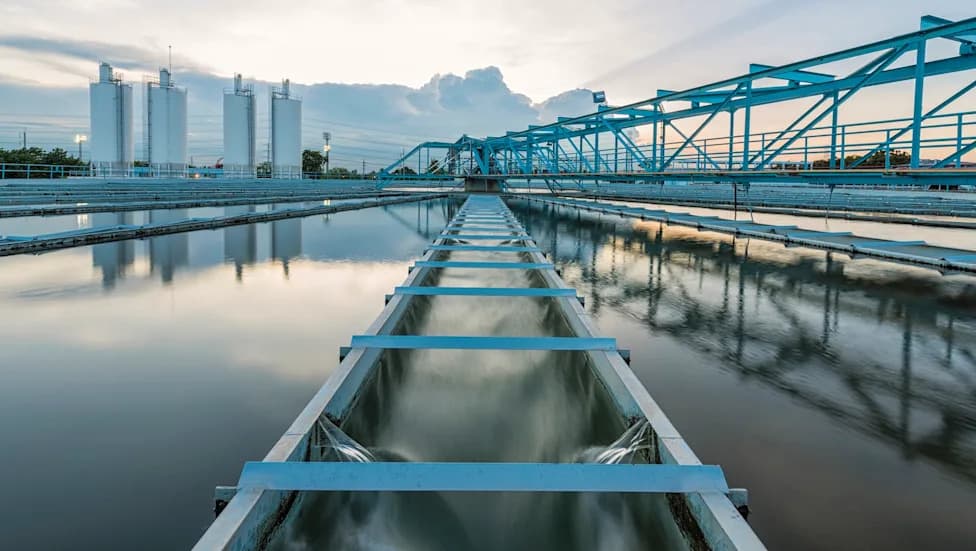
- Permit fracking elsewhere only if operations use deep, naturally saline water located roughly 1,000–1,500 meters (3,280–4,920 feet) underground, whose salinity and chemical composition make it unsuitable for human consumption.
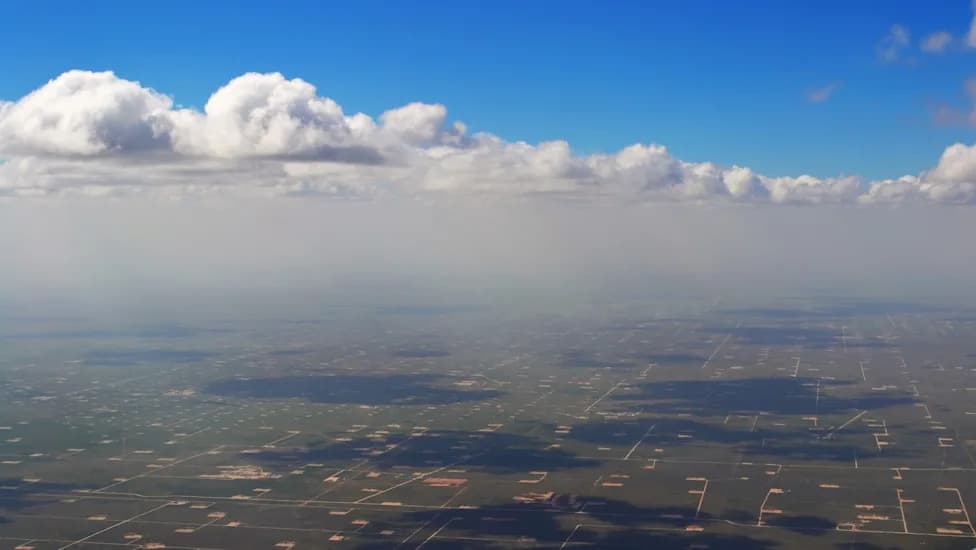
- Continue evaluation of two northern basins—Sabinas‑Burro‑Picachos and Burgos—as potential sites for unconventional gas development, with Sabinas‑Burro‑Picachos identified as having the greatest potential of the basins assessed.
Panel members highlighted the industrial water demands of hydraulic fracturing. Jose Antonio Hernandez, a researcher at the National Autonomous University of Mexico (UNAM) engineering faculty, noted that a single fracking well can consume between 50,000 and 70,000 cubic meters of water.
"Using deep saltwater reduces pressure on freshwater supplies and helps protect local communities and ecosystems," the panel said.
Reuters earlier reported that experts were prepared to exclude Tampico‑Misantla from fracking despite its oil and gas prospects, citing the risk of community opposition—similar to resistance encountered by state oil firm Pemex in densely populated parts of Veracruz.
President Sheinbaum appointed the expert panel in April to assess the viability of unconventional gas exploitation in Mexico. The panel stressed that its recommendations should inform government decisions as authorities weigh energy needs against environmental and social impacts.
Help us improve.