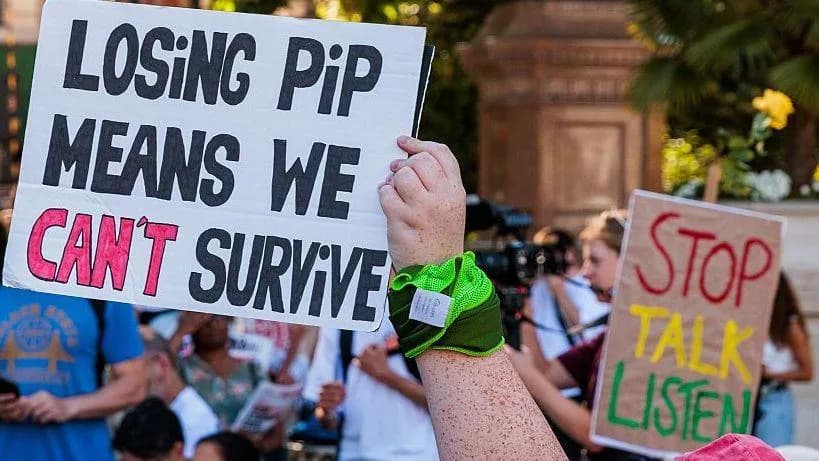
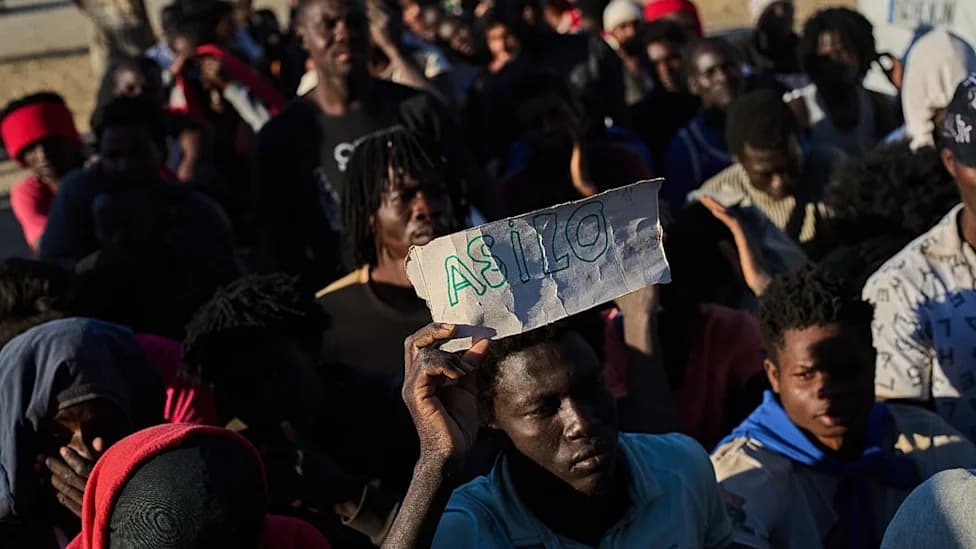
The NI Life and Times Survey finds support for asylum seekers in Northern Ireland has fallen to 49%, the first time below half since 2018. Support dropped from 56% in 2024 and from a 2022 peak of 70%, a rise then linked to reactions to Russia's invasion of Ukraine and schemes like Homes for Ukraine. The data shows large differences by religious background and council area, with Belfast most supportive (61%) and Mid Ulster least (44%). Official figures show just over 5,000 people on supported protection schemes, plus an estimated 1,300 unsupported asylum seekers.
Support For Asylum Seekers In Northern Ireland Falls Below 50% — First Time Since 2018
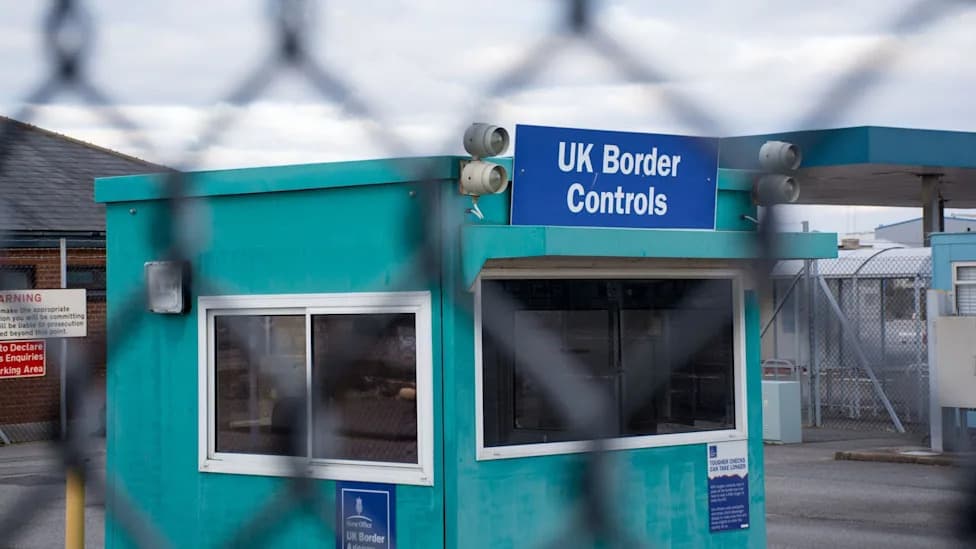
It's the first time fewer than half of adults have supported asylum seekers being in NI [Getty Images]
Attitudes in Northern Ireland have hardened toward asylum seekers and refugees over the past year, according to new findings published by Stormont's Executive Office.
Survey Findings
The NI Life and Times Survey — an annual independent study run by Queen's University Belfast and Ulster University — reports that 49% of adults now agree asylum seekers should be allowed to stay in Northern Ireland, the first time support has dropped below 50% since the survey began in 2018. This is down from 56% in 2024 and from a high of 70% in 2022.
The survey questioned more than 1,000 adults and the results are weighted to reflect Northern Ireland's population.
Differences By Religious Background
Opinions vary markedly by religious background. Support for allowing asylum seekers to remain stands at 61% among people from a Catholic background (down from a 2022 peak of 76%), 42% among those from a Protestant background (down from 63% in 2022), and 52% among people with no religion (also down from 76% in 2022).
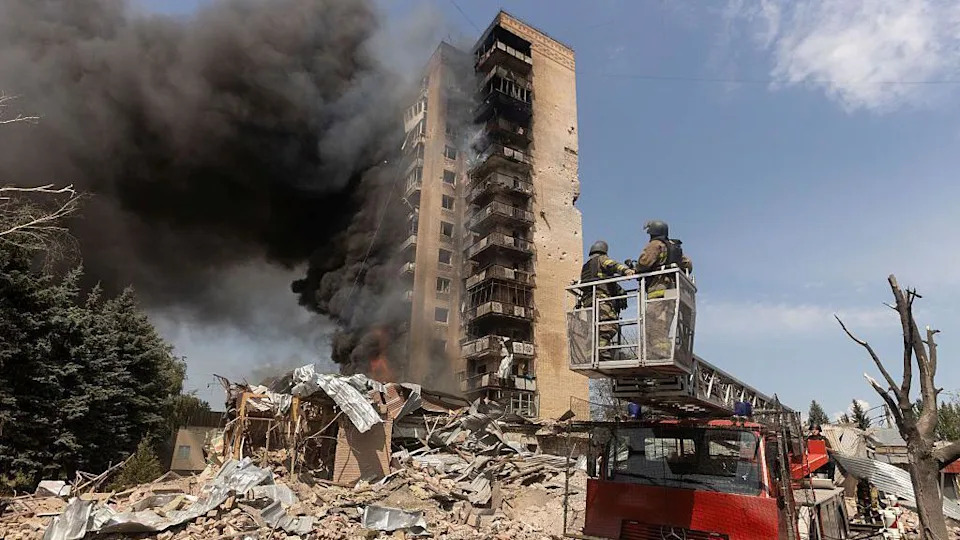
Since the 2022 Russian invasion of Ukraine attitudes around refugees and asylum seekers in NI has shifted [Getty Images]
When asked a related question — "Do you agree it is our duty to provide protection to refugees who are escaping persecution in their home country?" — 57% agreed overall. Again, responses differ by religion: 68% of Catholics, 65% of people with no religion, and 46% of Protestants agreed.
Council-Level Results
The survey includes a council-area breakdown (combining 2024 and 2025 data to ensure adequate sample sizes). It shows the highest local support in Belfast (61%) and the lowest in Mid Ulster (44%). Belfast also hosts a substantially higher concentration of asylum seekers than other council areas in Northern Ireland.
Context And Possible Drivers
Research notes that the peak in public sympathy in 2022 may have reflected the immediate impact of Russia's invasion of Ukraine and strong public backing for structured resettlement schemes such as "Homes for Ukraine." Since then the political and social context has shifted. Earlier this year, racially motivated rioting in Belfast and other towns following the charging of a refugee with attempted murder has been cited by commentators as one factor that may have influenced public attitudes.
Official Numbers And Limitations
Official figures indicate just over 5,000 people in Northern Ireland are on supported international protection schemes — roughly half supported through dedicated schemes for people from Ukraine and Afghanistan, and the remainder on standard asylum support. The Home Office has estimated an additional 1,300 unsupported asylum seekers in Northern Ireland.
Note: Survey results measure public attitudes, not policy or the precise scale of arrivals. Factors such as recent events, media coverage, and local experiences with accommodation and services can all influence responses.
Help us improve.