Supersonic travel is poised for a comeback, but sonic booms remain the key obstacle. The FAA has proposed replacing the 1973 overland Mach‑1 ban with a noise‑based standard (0.11 psf), and two main solutions are competing: Boom Supersonic’s Mach cutoff ("boomless cruise") and NASA’s low‑boom X‑59 airframe shaping. Each approach has trade‑offs—speed limits, fuel penalties, and scaling challenges—and community testing and regulatory approval will determine whether supersonic flight can return over land.
Supersonic Flight’s Comeback: How Engineers Aim To Silence Sonic Booms
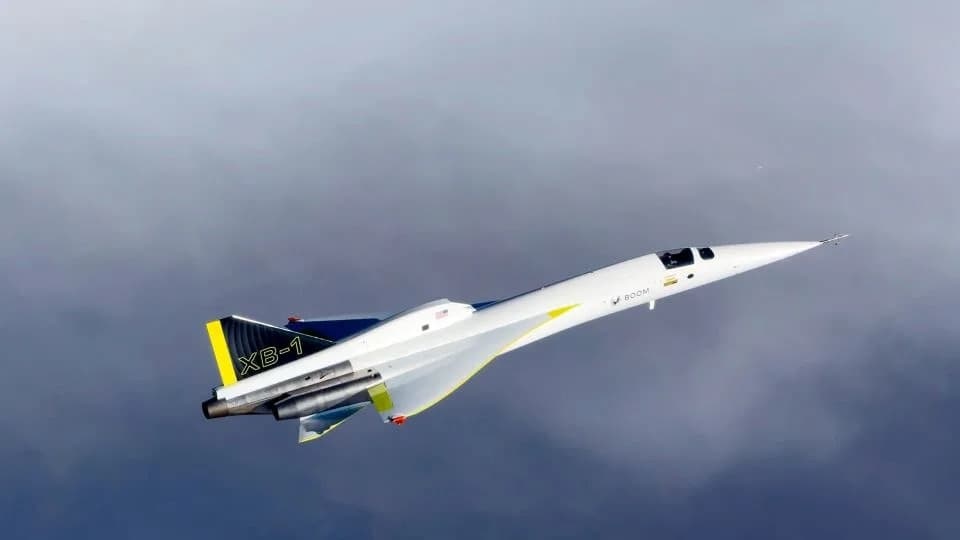
The Boom XB1 from Boom Supersonic achieved Mach cutoff, making it the first independently developed jet to break the sound barrier. - Courtesy Boom Supersonic
Supersonic travel — long grounded over land by public uproar and regulation — is edging back toward reality. After decades in which the United States banned civilian flight faster than Mach 1 over land, regulators and engineers are pursuing new rules and technologies that could let faster-than-sound passenger service return without the disruptive booms that drove it away.
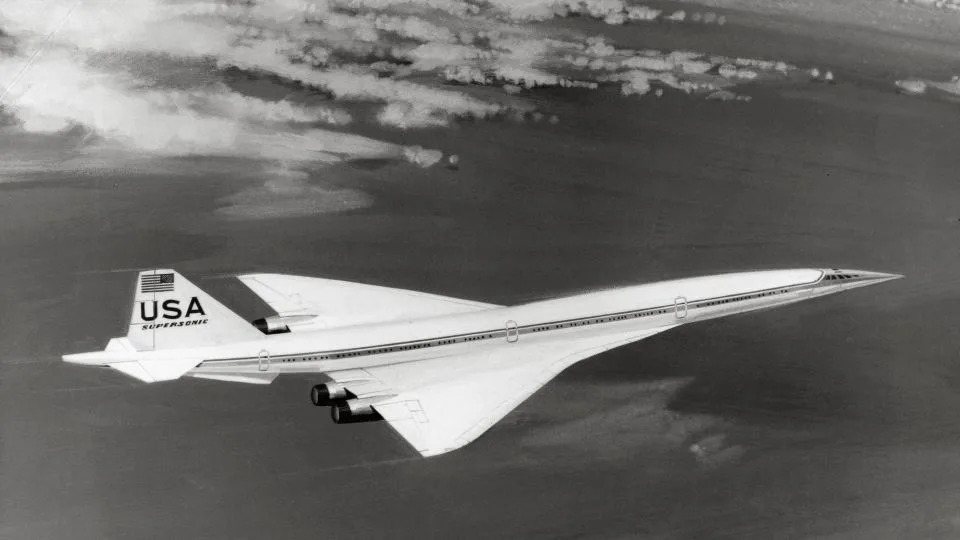
An artist's rendition depicts the Boeing 2707. The company hoped it would be the first American supersonic airliner before Congress canceled funding in 1971. - Photo12/Collection Bernard Crochet/Universal Images Group/Getty Images
Historic Backdrop
In 1964, Oklahoma City endured six months of deliberate sonic-boom testing: 1,253 booms produced more than 12,400 complaints and prompted lawsuits. The public outcry contributed to political decisions that changed the course of commercial supersonic aviation. In 1971, Congress cut funding for Boeing’s proposed SST, the 2707, and in 1973 the FAA effectively barred civilian overland supersonic flight by restricting civil aircraft from exceeding Mach 1. Only the Concorde and the Soviet Tupolev Tu-144 remained as passenger supersonic contenders; Concorde flew commercially from 1976 until its retirement in 2003.
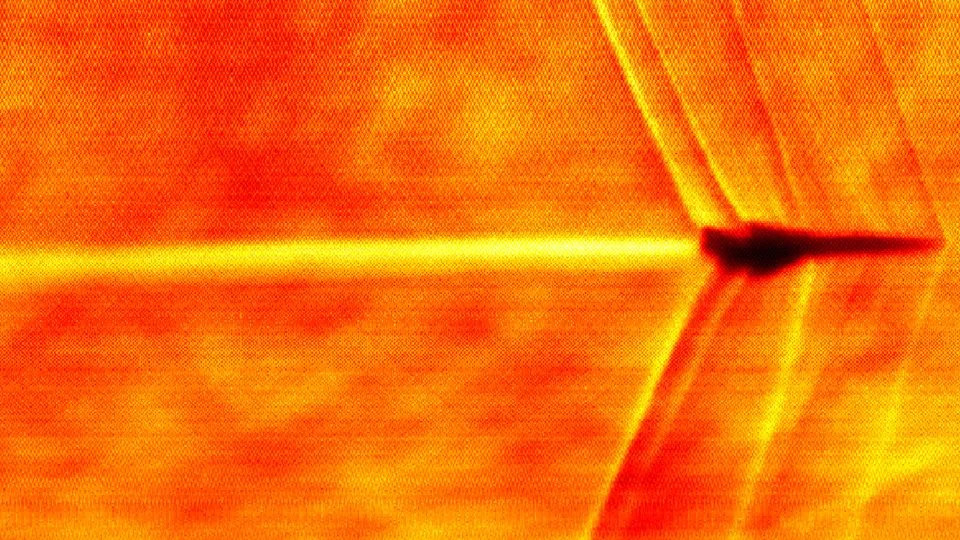
A Schlieren image of the Boom XB-1 visualizes the flow away from the surface of the aircraft. - Courtesy Boom Supersonic
Regulatory Shift
Decades later, regulators are reconsidering those limits. In June the FAA proposed replacing the speed-based ban with a noise-based standard that sets an allowable surface sound-pressure threshold of 0.11 pound per square foot — described as roughly a moderate thump. The FAA aims to finalize the new rules by mid-2027, a move that would repeal the 1973 overland prohibition if adopted.
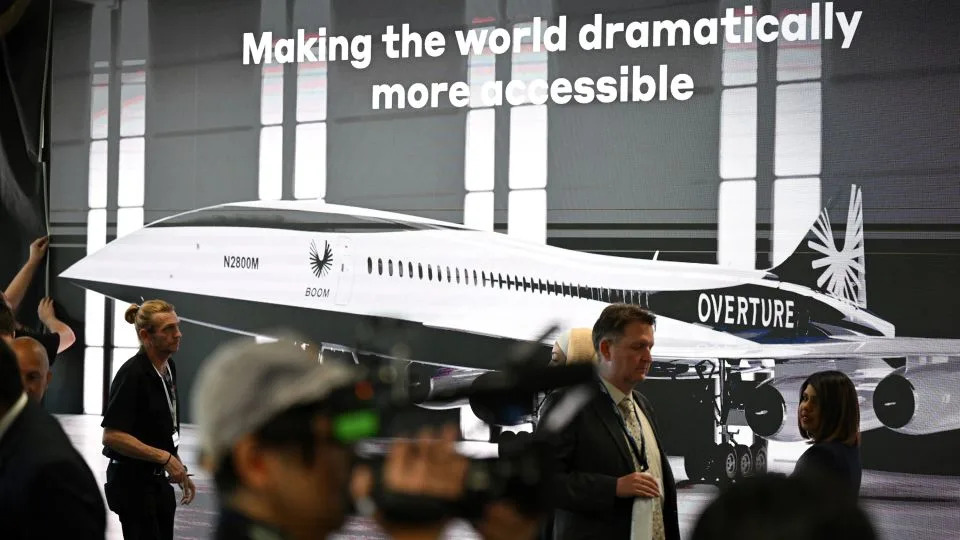
Attendees walk past a poster of Boom Supersonic's Overture aircraft concept at the Farnborough Airshow, in England's county of Hampshire, in July 2022. - Justin Tallis/AFP/Getty Images
Two Technical Paths To Quieter Supersonics
Mach Cutoff ("Boomless Cruise")
Boom Supersonic and others pursue an operational approach called Mach cutoff. Flying at higher altitudes and at precisely calculated speeds tailored to daily atmospheric conditions can bend the supersonic shock upward so it never reaches the surface. Boom demonstrated the technique during a February 2025 demo and reports achieving Mach cutoff multiple times during limited flights with the XB-1 demonstrator. Mach cutoff is promising because it could enable quicker introduction of supersonic routes without wholesale redesign of aircraft.
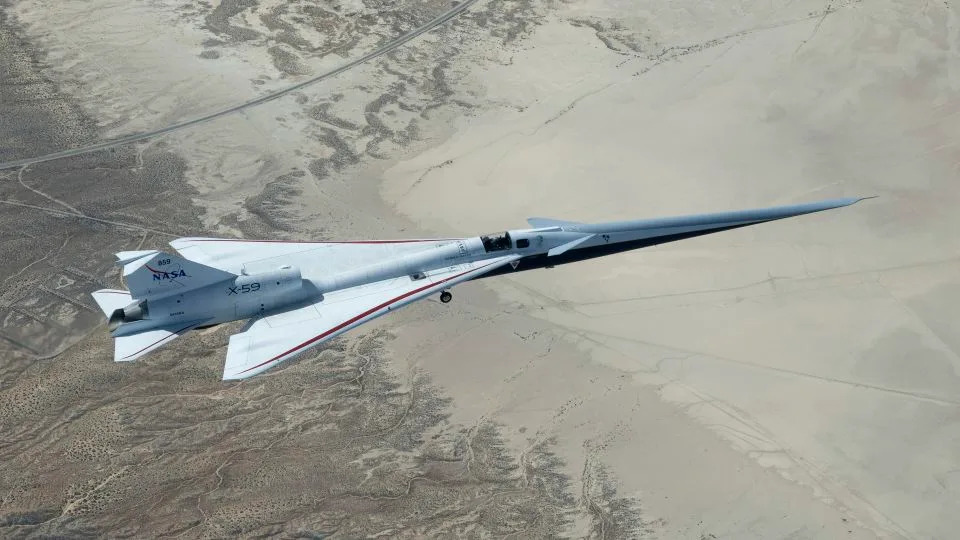
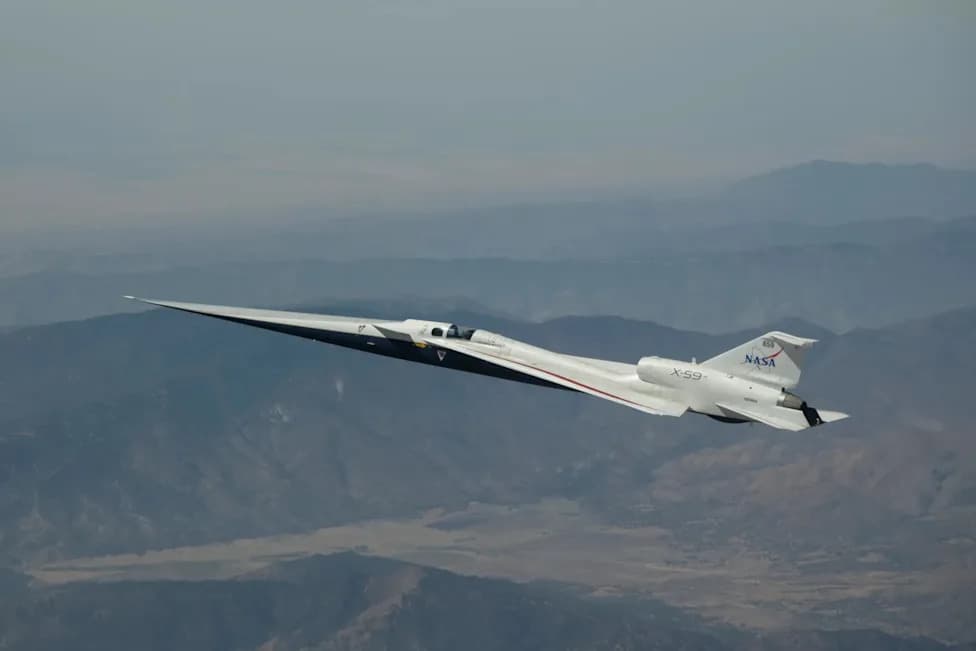
NASA's X-59 quiet supersonic jet flies over the Mojave Desert during its third flight in March. - Carla Thomas/NASA
Low-Boom Airframe Shaping (NASA X-59)
NASA’s X-59 takes a different tack: aircraft shaping. The X-59’s elongated nose, smooth underside and redistributed shock sources are designed to produce multiple weaker shock waves that reach the ground as a gentle thump rather than a loud boom. After first flying in late 2025, the X-59 achieved its first supersonic flight in June and has reached speeds up to Mach 1.4 in subsequent tests. NASA plans community-response surveys modeled on the old Oklahoma tests to measure human reactions to low-level sonic events and hopes to help inform ICAO standards by 2031.
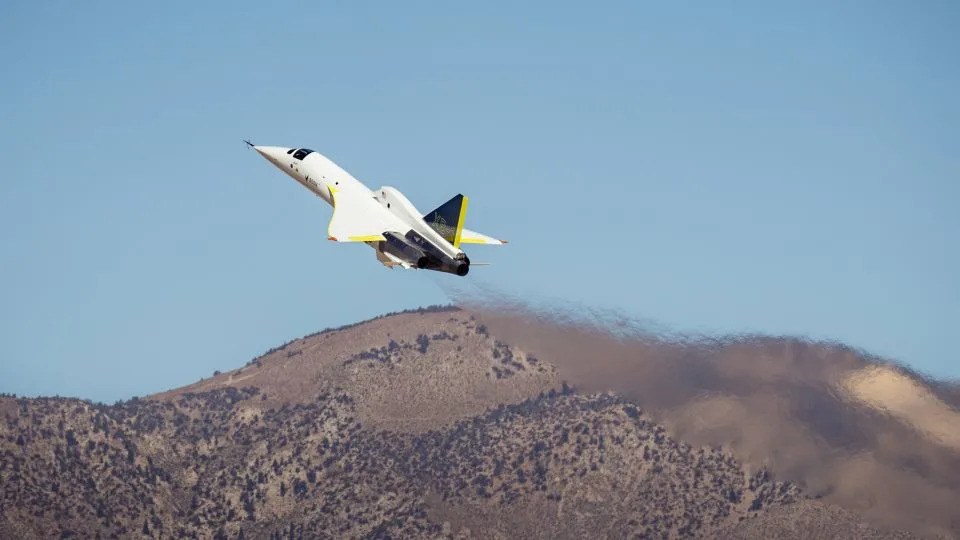
Boom Supersonic retired the Boom XB-1 after two supersonic flights. - Boom Supersonic
Limits, Trade-Offs And Practical Challenges
Each approach has important trade-offs. Mach cutoff typically allows only modest supersonic speeds — commonly around Mach 1.1 and possibly up to Mach 1.3 under ideal conditions — and depends heavily on atmospheric profiles; some days the technique won’t be feasible. It also increases fuel burn because engines operate away from their most efficient regimes. Low-boom shaping could enable higher cruise speeds and broader operational flexibility, but scaling a radical low-boom shape to a large passenger airliner poses design and packaging challenges.
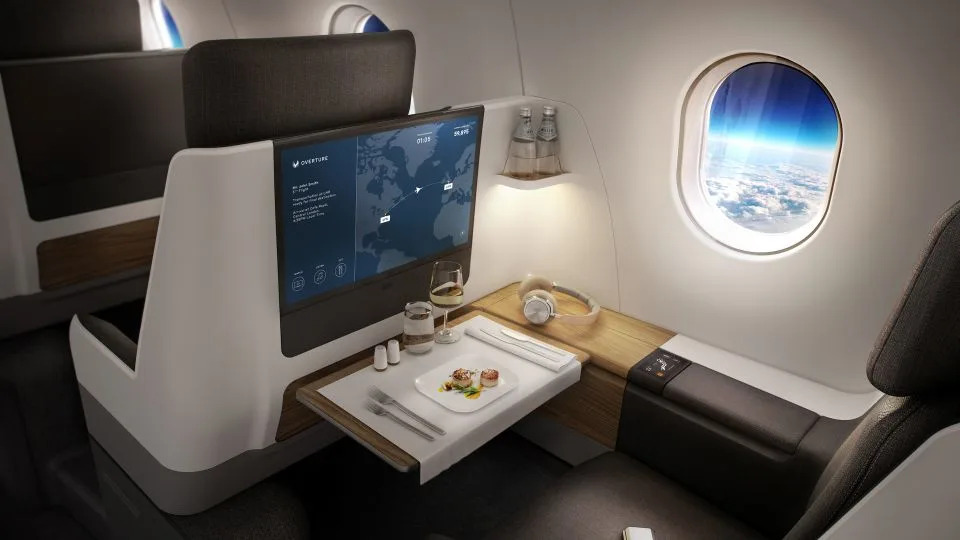
A rendering of the Overture passenger experience. - Courtesy Boom Supersonic
Boom Supersonic’s planned Overture airliner targets 60–80 passengers at up to Mach 1.7 over water, trimming transcontinental times (for example New York–Los Angeles to roughly 3.5 hours), but the company acknowledges significantly higher fuel usage — as much as three times today's airliners — and intends Overture to run on sustainable aviation fuel (SAF), a still-limited resource that currently accounts for under 1% of aviation fuel consumption.
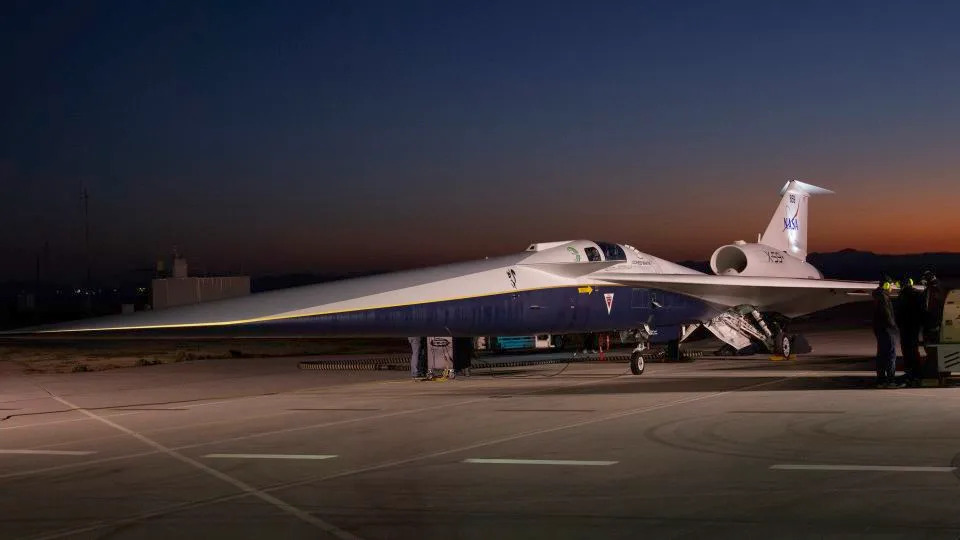
NASA aimed to make the experimental X-59 aircraft into a "low-boom" shape that prevents the formation of a highly dense, concentrated shock wave. - NASA/Jim Ross/NASA/Jim Ross
What Comes Next
Nasa’s community testing will seek to identify at what noise levels people find supersonic sounds acceptable. The FAA’s proposed 0.11 psf surface limit is far stricter than the loudest Oklahoma tests, which reached about 1.6 psf. If regulators accept the new noise-based standard and either Mach cutoff or low‑boom designs can reliably meet it, civil supersonic flight over land could return — but only after further flight testing, public outreach, and international standards updates.
Bottom line: Engineers have two credible, complementary routes to reduce sonic booms — operational techniques that keep booms aloft, and airframe shapes that prevent strong booms from forming. Both must clear technical, environmental and societal hurdles before everyday supersonic travel becomes reality.
Help us improve.