On 10 September 2025, 16-year-old Joshua Ingram was fatally stabbed at Seaford Railway Station; a 16-year-old has since been convicted of his murder. Police say social media, peer influence and violent drill music influenced the defendants, and a 15-year-old was convicted of assisting an offender while a 17-year-old admitted an offence connected to the case. The killing has prompted calls for a public-health approach to knife crime, more youth support in smaller towns, and expanded prevention and policing measures; sentencing is scheduled for October.
Seaford Stabbing: Murder of 16-Year-Old Joshua Ingram Prompts Urgent Calls to Tackle Youth Knife Crime
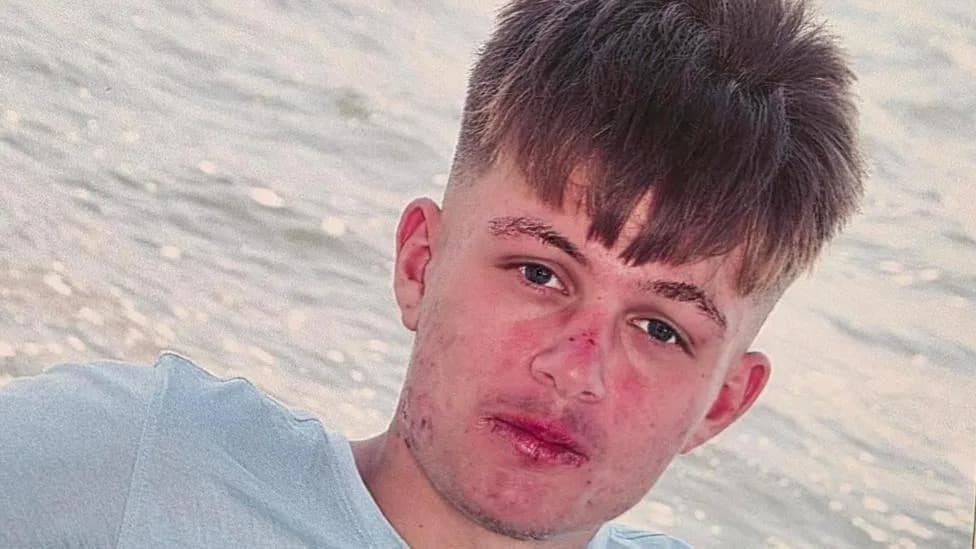
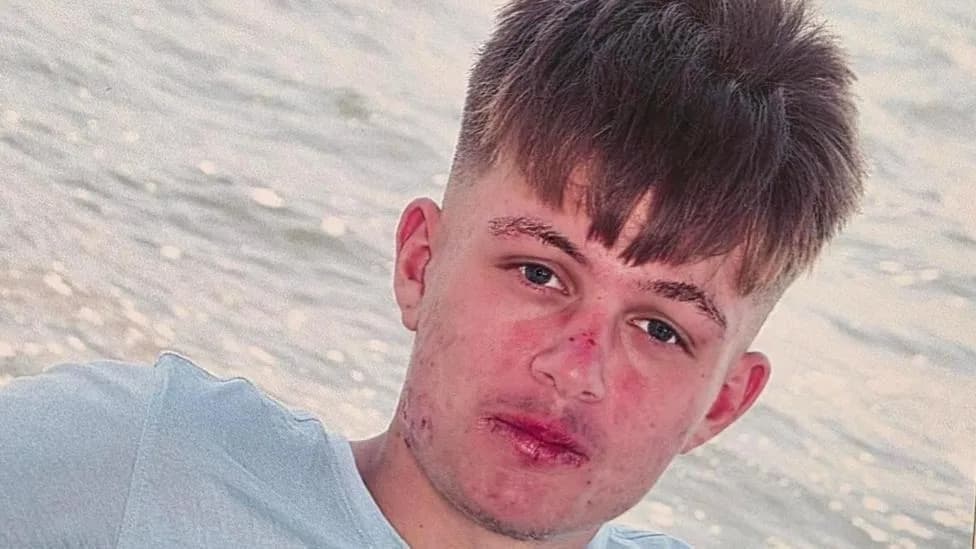
Joshua Ingram died after being stabbed at Seaford Railway Station [Family]
On a wet, windy afternoon in the seaside town of Seaford, a hooded figure followed two boys toward the railway station carrying a 19cm (7.5in) combat-style knife hidden beneath dark clothing.
At about 17:00 BST on 10 September 2025, 16-year-old Joshua Ingram was fatally stabbed on the platform at Seaford Railway Station; the blade pierced his heart. A jury at Hove Trial Centre later heard Joshua had owed his attacker £20 for cannabis.
Local residents described the killing as senseless and deeply unsettling for a normally quiet town. One young man told the BBC: "Every day people wake up and there's a new stabbing, there's a new knife crime that's happened."
Verdict and Associated Charges
Following the trial, a 16-year-old was found guilty of Joshua's murder. The court cleared the defendants of conspiracy to commit grievous bodily harm with intent. A 15-year-old was convicted of assisting an offender, and a 17-year-old—who had previously admitted an offence in relation to the case—remains connected to the proceedings. All three will be sentenced in October.

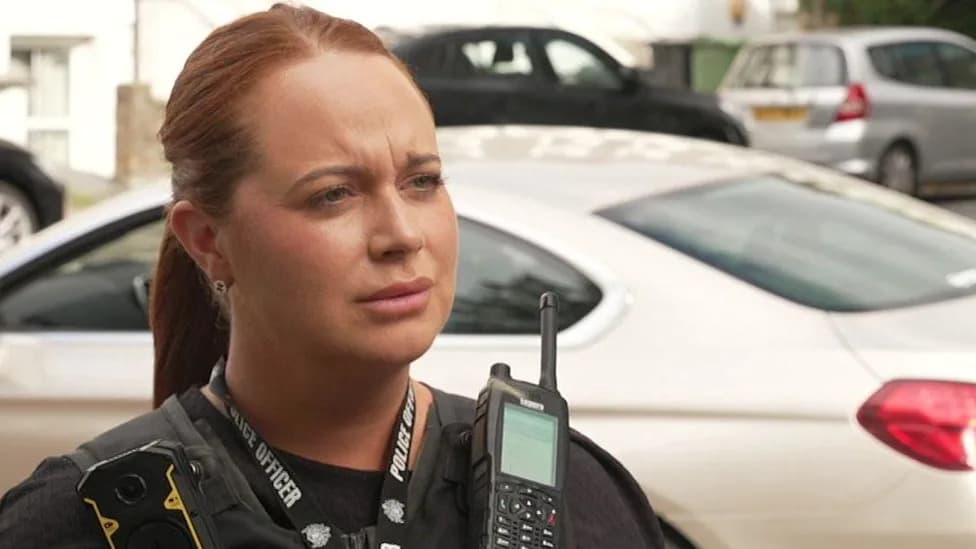
Det Ch Insp Paul Stanley from British Transport Police led the investigation into the death of Joshua Ingram [Charlie Rose/BBC]
What Investigation Found
Detective Chief Inspector Paul Stanley of the British Transport Police, who led the investigation, told the court the defendants had been influenced by social media, television and one another. "They formed this idea in themselves of who they should be and how they should act," he said, adding that young people often lack the checks and balances that challenge dangerous behaviour.
Prosecutors also noted the defendant who carried out the attack listened to drill music with violent lyrics—a genre that has been referenced in reporting about some knife-related incidents.
The Attack and Immediate Aftermath
Joshua lived in nearby Newhaven and had recently begun a bricklaying course at a local college. He and a friend travelled home together that afternoon and usually parted ways at Seaford; that day they chose to continue together on the train. Joshua did not board.
Witness Warren Greening told the court that a third boy ran up to Joshua and appeared to punch him in the stomach. He initially thought the blows were playful until Joshua lifted his top and said: "I've been stabbed." Joshua's friend called 999 within seconds and attracted help from people inside a pub on the platform who provided first aid. Joshua's mother, who worked nearby, arrived and stayed with him as paramedics and hospital teams tried desperately to save his life; he was pronounced dead about an hour later.
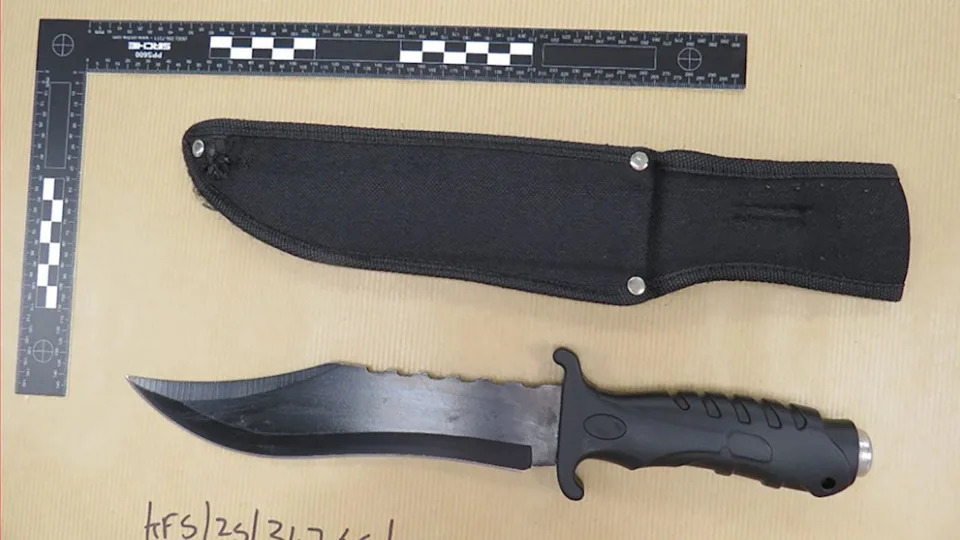
The 19cm (7.5 inch) combat-style knife used in the attack [British Transport Police]
Broader Concerns and Responses
The south-east of England has seen other recent cases of youth knife crime, including the fatal stabbing of 20-year-old Billy Ripley by a 17-year-old in Hailsham, and the killing of 17-year-old Charlie Cosser at a crowded party in West Sussex. Charlie's father, Martin Cosser, is now a prominent campaigner against knife crime and has warned that the problem is not confined to large cities.
Experts and campaigners have suggested that lower police numbers and fewer prevention programmes in smaller towns and rural areas may contribute to the spread of violence beyond metropolitan centres. Criminologist Craig Pinkney recommended a public-health approach that includes more youth and community provision, preventative education from primary school, and stronger family support.
After Joshua's death, Crimestoppers urged young people across East Sussex to make anonymous reports if they knew someone was regularly carrying a knife. The charity's Fearless campaign reached about 11,000 people on social media. Annabelle Goodenough, the charity's south-east regional manager, described a "complex mix of reasons" why some young people carry weapons—often perceived vulnerability and fear—while stressing that the actual number of youngsters who carry knives remains small.
A Home Office spokesperson noted recent government measures, saying more than 3,800 officers had been placed into neighbourhood roles and that police funding rose by £834m to £18.4bn for the 2026/27 financial year. "While we are making progress, we understand the devastating impact of knife crime on lives and communities and there is still more to do," the spokesperson said, pointing to the government's Plan to Halve Knife Crime, which combines tougher enforcement with prevention and early intervention.
"So often with young people, they don't have those checks and balances," said Det Ch Insp Paul Stanley. "Perhaps in areas such as Seaford, where this is not viewed to be a problem, some of those support and intervention networks are less available."
As the community awaits sentencing in October, Seaford residents and campaigners are calling for wider prevention efforts, better youth support and more resources for smaller towns to prevent further tragedies.
Help us improve.