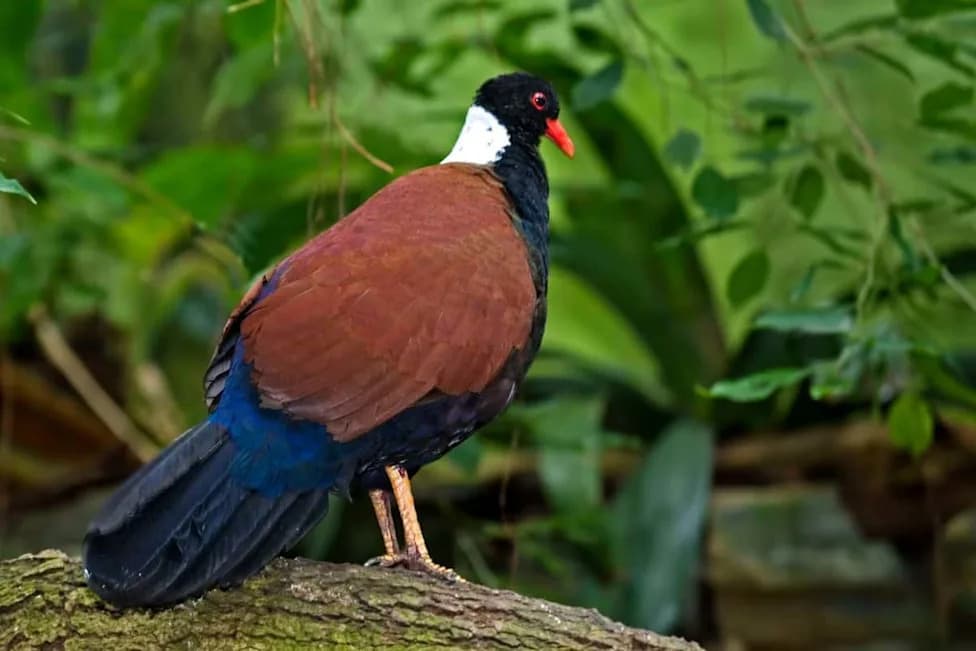
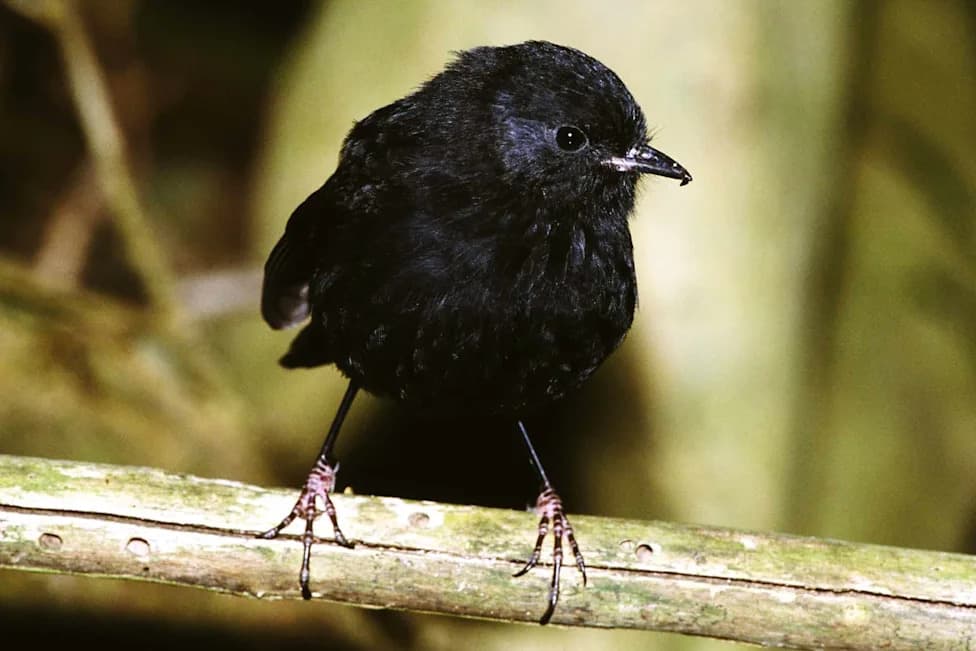
A camera trap on Fergusson Island captured the first scientific evidence in 140 years that the black-naped pheasant-pigeon (locally called Auwo) still exists. The image was recorded during a month-long 2022 expedition after local hunter Augustin Gregory guided researchers to a densely overgrown ridge about 3,200 feet above sea level. While the rediscovery provides crucial proof and survey locations, scientists warn the species likely survives in small numbers and remains threatened by logging, habitat loss and introduced predators. Conservationists say community-led efforts combined with targeted camera monitoring will be key to protecting the bird.
Hidden Camera Confirms Rediscovery of the Black-Naped Pheasant-Pigeon After 140 Years
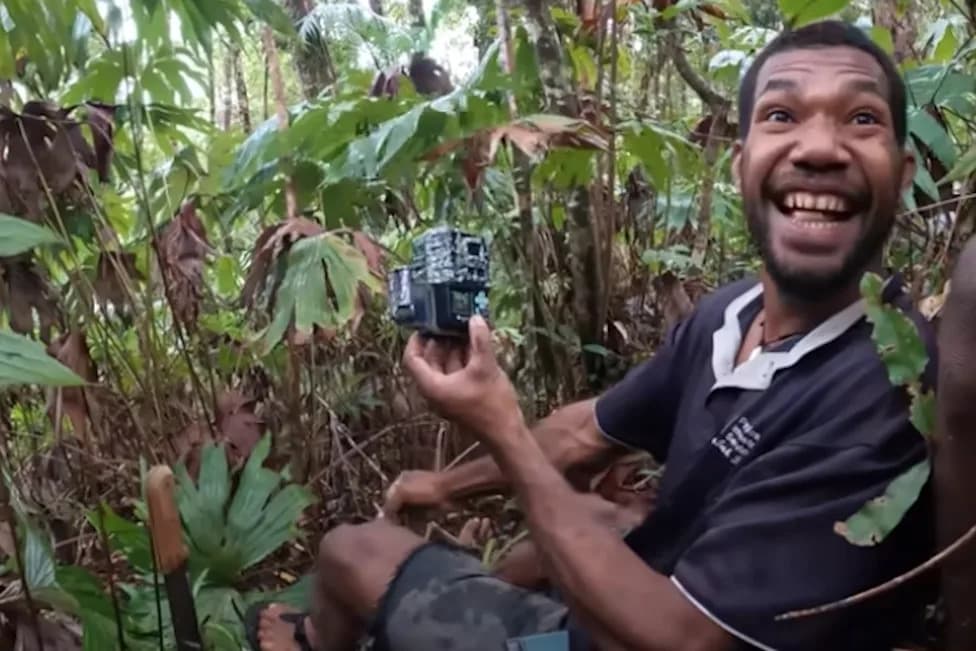
Photo Credit: YouTube
A camera trap on Fergusson Island, Papua New Guinea, has produced the first scientific confirmation in 140 years that the black-naped pheasant-pigeon still survives. A still image recorded during a month-long 2022 expedition captured the elusive ground bird, known locally as Auwo.
Researchers note the species had not been scientifically documented since 1882, according to Fstoppers. Cornell Lab of Ornithology co-leader Jordan Boersma recorded the moment Papua New Guinean biologist Doka Nason spotted the bird on a camera-trap screen; in the footage the team can be heard calling out "Auwo."
Local expertise was crucial. Hunter Augustin Gregory of Duda Ununa village reported seeing the bird and hearing a call resembling other New Guinea pheasant-pigeons, then guided researchers to a densely overgrown ridge at roughly 3,200 feet (about 975 meters) above sea level. Because steep slopes and thick understory made direct sightings extremely difficult, the team installed motion-activated camera traps that ultimately captured images of the long-missing species.
Why This Rediscovery Matters
The confirmation proves a species can persist in remote habitat despite vanishing from scientific records for generations. It also gives conservationists the first hard evidence in more than a century and a clearer sense of where remnant populations survive—information essential for targeted surveys and protection efforts.
However, rediscovery is not the same as security. Current evidence suggests the black-naped pheasant-pigeon is restricted to Fergusson Island and survives in small numbers. Researchers warn that logging, habitat loss and introduced predators present significant threats to the remaining population.
Conservation Implications
The expedition highlights two lessons: remote camera systems are highly effective for detecting shy, ground-dwelling species in steep, dense forests, and community knowledge is indispensable for finding rare wildlife. Future conservation work should combine local leadership, continued camera-based monitoring, focused population surveys and habitat protection measures to give the species the best chance of recovery.
With photographic proof now in hand, scientists and local partners have a firmer foundation to plan follow-up studies and advocate for protections that could help secure the Auwo's future.
Help us improve.