Workplace AI is widespread and convenient, but heavy reliance may be linked to weaker critical‑thinking and core skills. Studies show correlations — not definitive causation — between frequent AI use and reduced ability to evaluate texts, form original ideas, and detect errors in outputs. Experts advise using AI deliberately as a thinking partner, practising foundational skills offline, and ensuring employers provide time for learning. Used intentionally, AI can also accelerate learning and boost creativity.
Is AI Eroding Our Ability To Think? How Workplace AI Can Deskill — and Empower — Workers

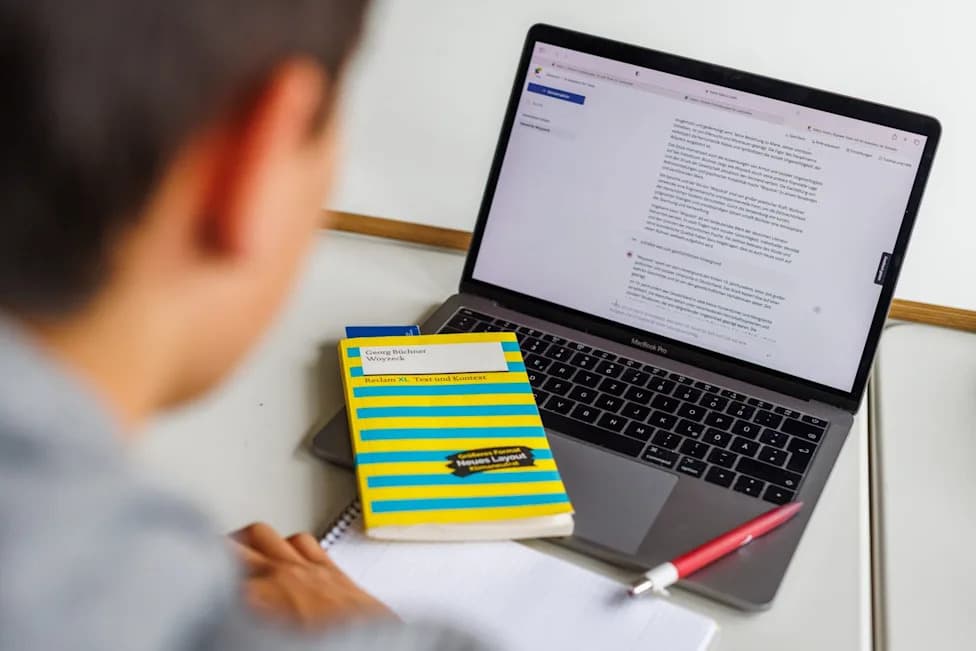
Is AI hampering our capacity to think? You can steer against this, say specialists. Sebastian Kahnert/dpa
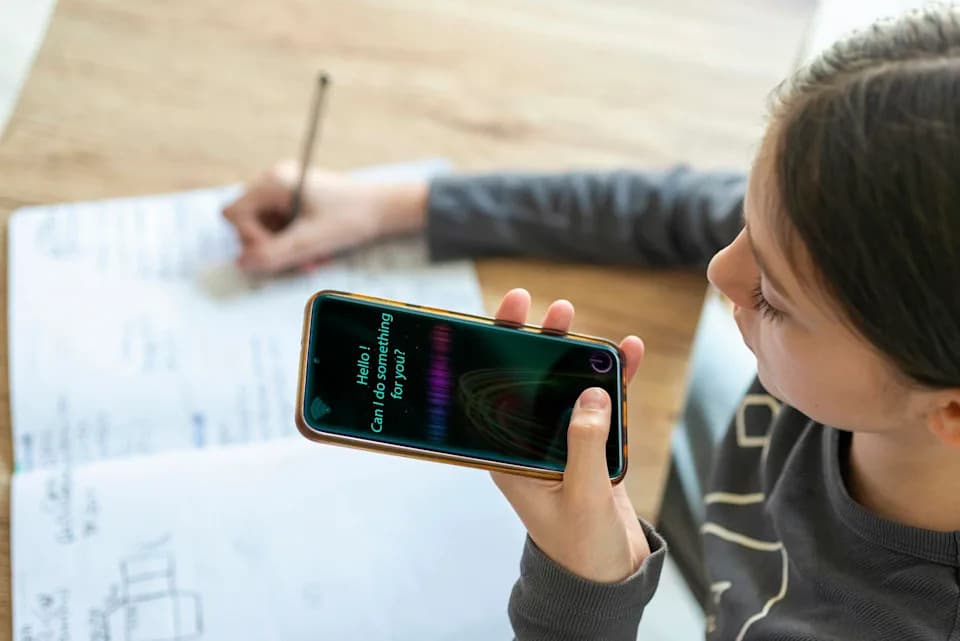
When was the last time you wrote an important email or read an entire 46‑page report without turning to an AI tool? Many of us now reach for ChatGPT, Gemini, Claude or similar assistants for convenience — especially for routine or administrative work. But could that convenience be quietly weakening core cognitive skills?
How Widely Is AI Used At Work?
Surveys show between 44% and 52% of UK workers use AI at work, though only about 15%–35% of those with access use it regularly or daily. In Germany, roughly 80% say they use AI at work at least occasionally. Most people report experimenting with AI or using it for routine tasks; many cite convenience as the main reason.
What Is ‘Deskilling’?
"Deskilling" refers to the potential loss or decline of human skills as machines take over tasks people once performed. Josephine Hofmann of the Fraunhofer IAO explains there are two kinds: existing skills that atrophy, and skills that never develop because AI performs the activity instead — for example, close reading, critical evaluation of texts, and original writing that builds new knowledge.
What Does Research Say?
The evidence is mixed and evolving. Researchers have not established a definitive causal link between AI use and reduced critical thinking, but several studies show concerning correlations. For example, an SBS Swiss Business School study found a strong negative correlation between frequent AI use and critical thinking ability. Experts warn that when AI routinely handles understanding and synthesis, people lose the practice that builds those capabilities.
Why Convenience Matters
AI shortens tasks and reduces effort, so it's tempting to use it as a shortcut. Hofmann notes this can lead to "gradual loss of cognitive engagement," a trend amplified by workplace pressures to move faster. A Pinktum Institute survey found many people use AI because they "rarely feel like delving deeper into topics."
Risks Of Overreliance
Relying uncritically on AI carries several risks. Around 70% of respondents in the Pinktum survey say they usually check AI results — but blindly accepting outputs would be "disastrous," according to education scientist Carina Ebli‑Korbel. As human oversight and skill decline, AI errors, biases or inconsistencies become harder to spot, undermining quality assurance and creating blind spots in arguments and analyses.
How To Counteract Deskilling
Experts recommend a deliberate, balanced approach:
- Use AI As A Thinking Partner: Prompt tools to challenge you (for example, "Challenge my answer" or "Ask probing questions").
- Practice Core Skills Offline: Regularly perform tasks like drafting emails, reading reports, and writing summaries without AI to maintain and develop ability.
- Employers Should Support Learning: Organizations must allow time and managerial support for employees to practice and upskill.
- Individuals Take Responsibility: Be intentional about when to delegate and when to engage directly with material.
Can AI Also Improve Skills?
Yes. When used intentionally, AI can accelerate learning, reveal knowledge gaps, and spark creativity by providing starting points that humans refine. Occupational psychologist Markus Langer argues that critically evaluating AI outputs can strengthen judgment and attention. Openness to new tools — paired with active skill practice — allows people to gain as well as lose capabilities.
Bottom Line
AI is neither a guaranteed threat nor a simple panacea. Its impact depends on how we use it: thoughtlessly deployed, it can erode essential skills; deliberately used, it can become a powerful aid for learning and creativity.
Practical takeaway: Treat AI as a partner, not a replacement. Verify outputs, practise foundational skills without automation, and encourage workplaces to invest time in human development.
Help us improve.