Antananarivo’s new cable-car system, built for about $173 million and financed largely with French loans, has been idle after only weeks of operation. High fares of $0.70–$0.90 per trip—significantly more than minibus fares—along with power outages, safety concerns and route limitations kept riders away. Stations were damaged during unrest that toppled former president Andry Rajoelina, and the transitional government has not announced next steps.
Idle Above the Gridlock: Madagascar’s $173M Cable-Car Fails to Win Commuters

Cable cars cut across the skyline during testing in Antananarivo, Madagascar, Sunday, April 6, 2025. (AP Photo/Alexander Joe)(AP Photo/Alexander Joe)
The cable-car system built over Antananarivo to lift commuters above the city's chronic traffic jams has sat largely unused after only a few weeks of operation, leaving suspended cabins and a costly infrastructure that many call a mistake for one of the world’s poorest countries.
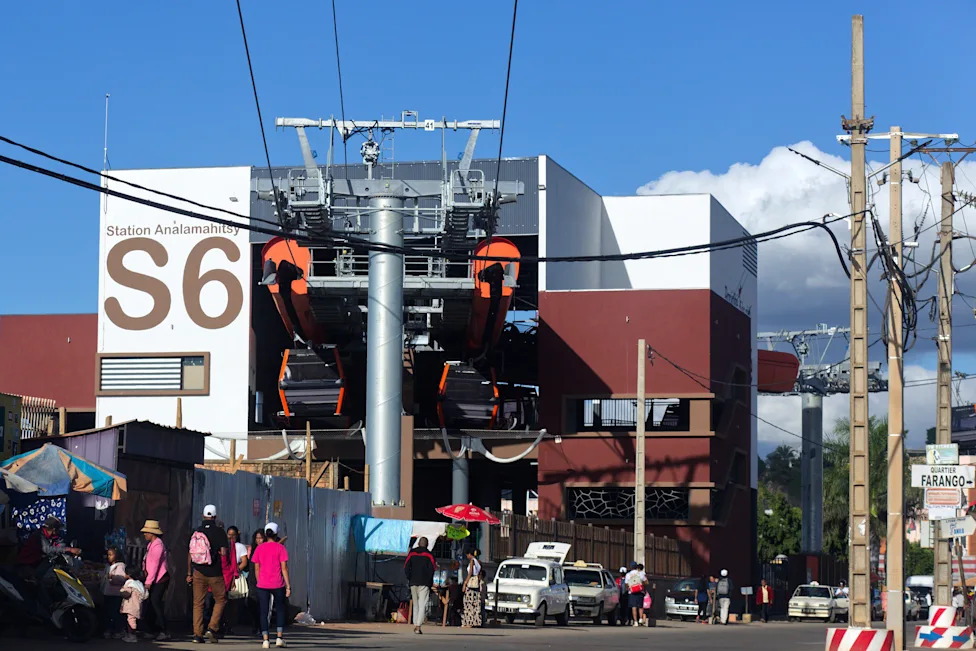
Cable cars at a station during testing in Antananarivo, Madagascar, Sunday, April 6, 2025. (AP Photo/Alexander Joe)(AP Photo/Alexander Joe)
Promoted and inaugurated by former President Andry Rajoelina in 2024, the network was touted as a fast, modern alternative to overcrowded minibuses. Officials said the system—completed over three years at about $173 million with loans from France—could carry up to 75,000 passengers a day, remove roughly 2,000 vehicles from the roads and cut commutes that now take hours to as little as 10–30 minutes depending on the route.
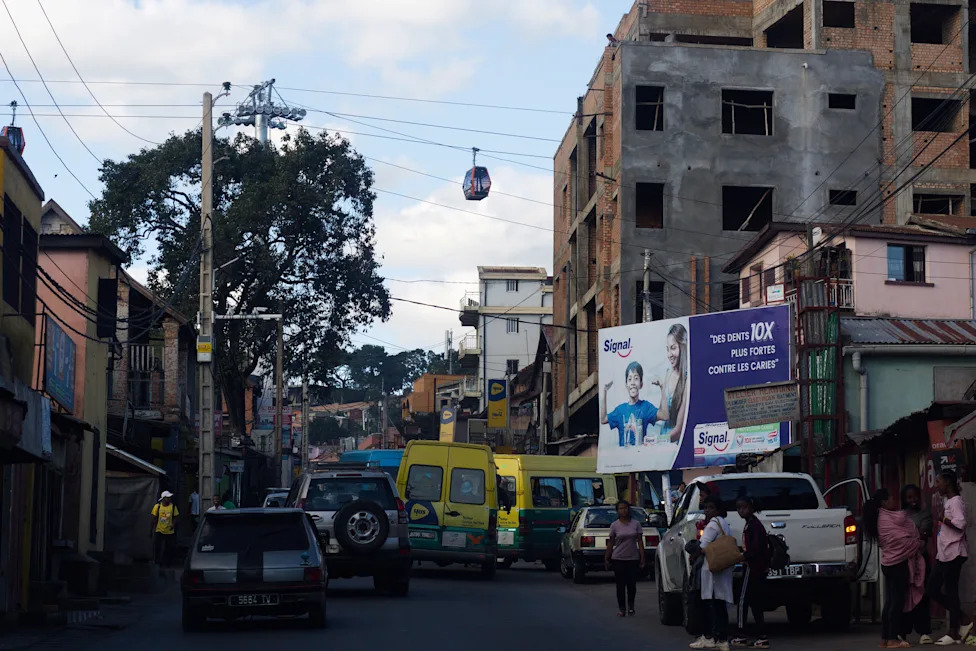
A cable car operates during testing in Antananarivo, Madagascar, Sunday, April 6, 2025. (AP Photo/Alexander Joe)(AP Photo/Alexander Joe)
But the project ran into a predictable barrier: affordability. Authorities set fares at about $0.70–$0.90 per trip, roughly six to eight times the cost of a typical minibus ride. In a country where a commuter's average monthly salary was estimated at about $72 in a 2022 World Bank report and roughly three-quarters of the population lives in poverty, many residents refused or were unable to pay the premium for speed.
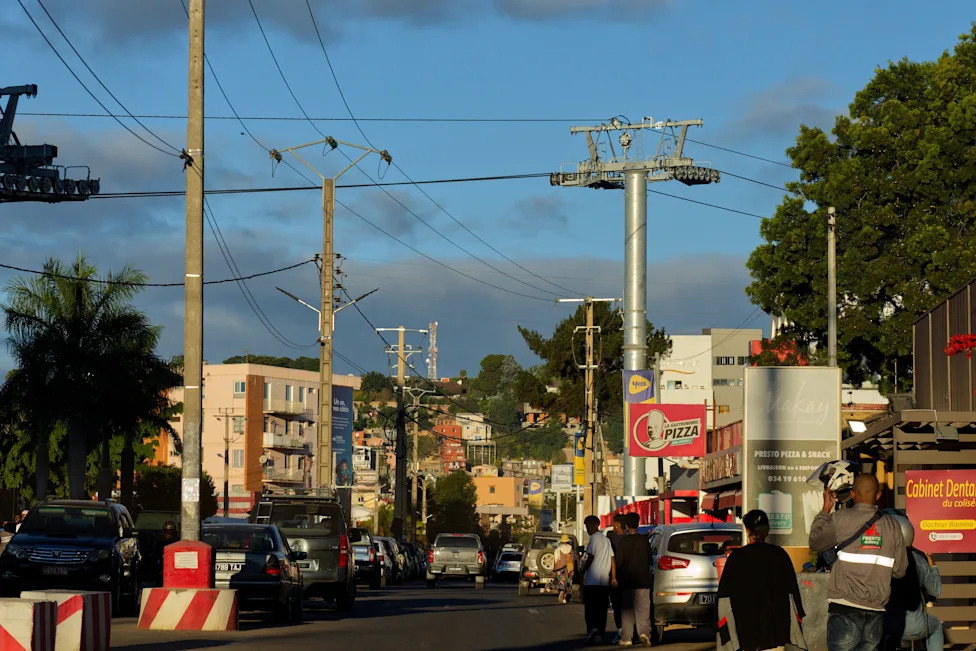
Wires for cable cars cut across the skyline of Antananarivo, Madagascar, Friday, May 1, 2026. (AP Photo/Alexander Joe)(AP Photo/Alexander Joe)
"Obviously people will not use it because money is far more key than time," said Pieter Onderwater, a public transport planning consultant and guest lecturer at the University of Cape Town. "The price is six times higher than a conventional (minibus) taxi? Well then, we just sit in traffic because we know better things to do with that money."
Public frustration also stemmed from basic service shortfalls. Many Antananarivo residents questioned why officials prioritized an expensive transport novelty while water, electricity and road repairs remained inconsistent. Power outages at times halted the cable cars, and during the coup that removed Rajoelina some stations were burned or otherwise damaged amid protests.
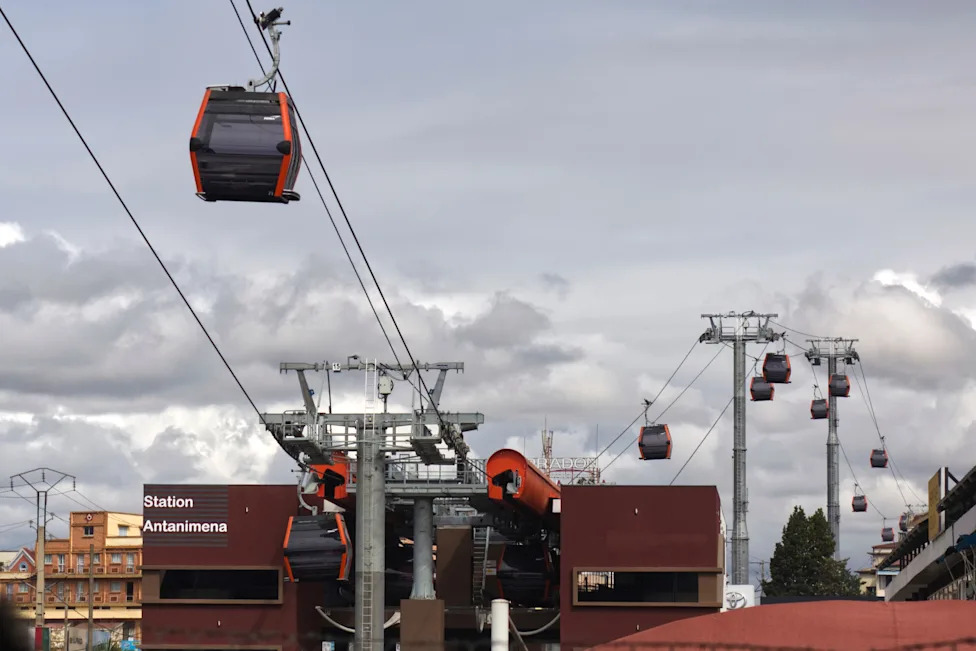
Cable cars operate during testing in Antananarivo, Madagascar, Friday, June 27, 2025. (AP Photo/Alexander Joe)(AP Photo/Alexander Joe)
After the coup in October, a transitional government led by coup leader and former army colonel Michael Randrianirina took power but has not announced any plan for the system’s future. A consortium that built the network inspected it in March and submitted findings to Madagascar authorities to "decide on the next steps," according to a French firm involved in the project, but no public timeline has been released.
Wider Context
Antananarivo has expanded rapidly—its population has grown more than tenfold since the 1960s—reflecting broader urbanization across Africa. The continent’s urban population, currently about 700 million, is expected to roughly double by 2050, increasing demand for public transport, housing and utilities. Experts note many African cities rely largely on private or informal minibuses that remain the most affordable option for most commuters.
Some residents were attracted to the idea of being lifted above daily congestion, but practical problems—cost, limited routes that do not always reach city centers, reliability during storms and power cuts, and concerns about maintenance and safety—kept ridership low.
The future of Antananarivo’s cable-car network remains uncertain: an expensive experiment in urban mobility, now grounded by the political, economic and practical realities of the city it sought to serve.
Help us improve.