The National Gallery of Art has implemented protective measures after an "extensive vibration study" in advance of the Freedom 250 Grand Prix, a downtown race where cars may reach 185 mph on a 1.7-mile circuit. Organizers say they coordinated with local and federal agencies and do not expect structural damage, while preservationists warn that high speeds, construction and vibration could threaten statues and delicate artworks. A 2023 study noted that visitor foot traffic can sometimes produce more gallery vibration than nearby races.
National Gallery Fortifies Collection After Vibration Study Ahead of Freedom 250 Grand Prix
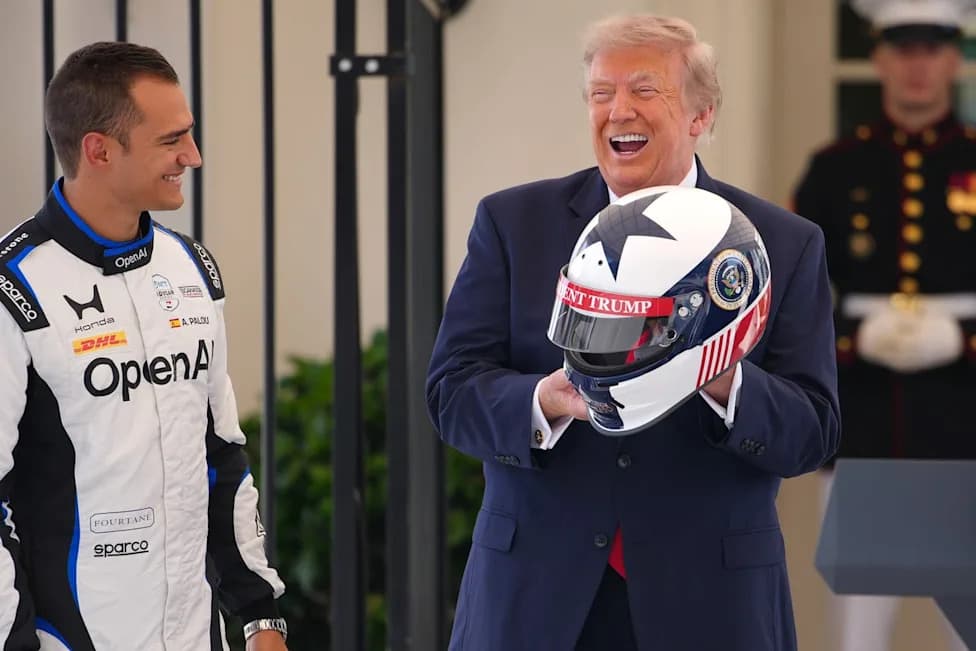
National Gallery moves to protect artwork from Trump’s Freedom 250 Grand Prix vibrations
The National Gallery of Art in Washington, D.C., which is listed on the National Register of Historic Places, has taken precautionary steps to protect its collection after conducting an "extensive vibration study" ahead of the Freedom 250 Grand Prix later this month.
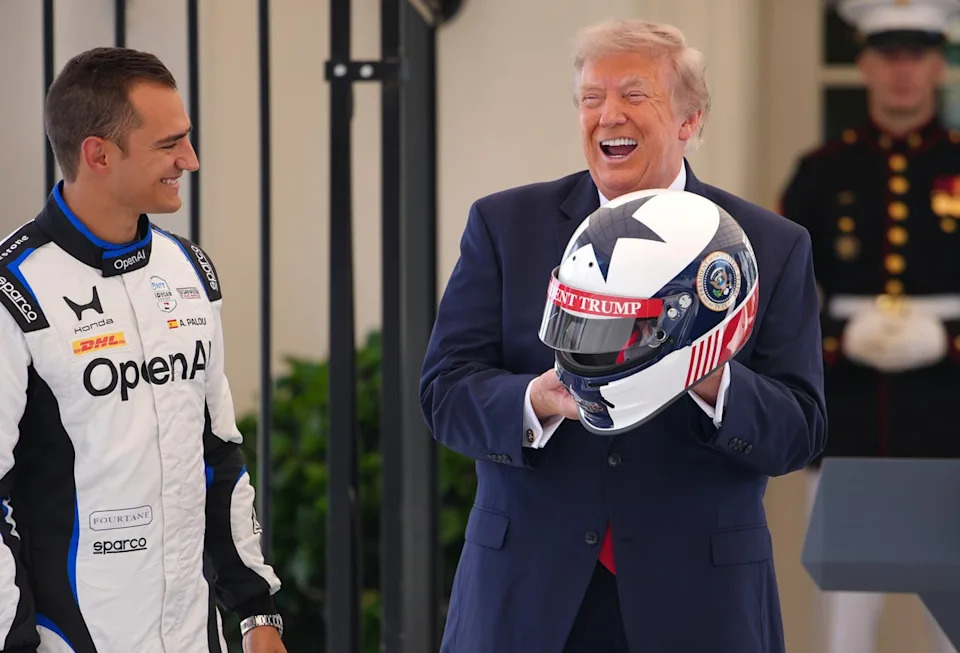
The National Gallery of Art in Washington, D.C. has taken steps to protect artwork from 'extensive vibrations' ahead of President Donald Trump's Freedom 250 Grand Prix later this month (Getty)
The downtown race will run on a 1.7-mile circuit around the National Mall and nearby federal buildings. Organizers say NASCAR and IndyCar veterans could reach speeds up to 185 mph as drivers complete 147 laps over a two-day event scheduled for August 22–23.
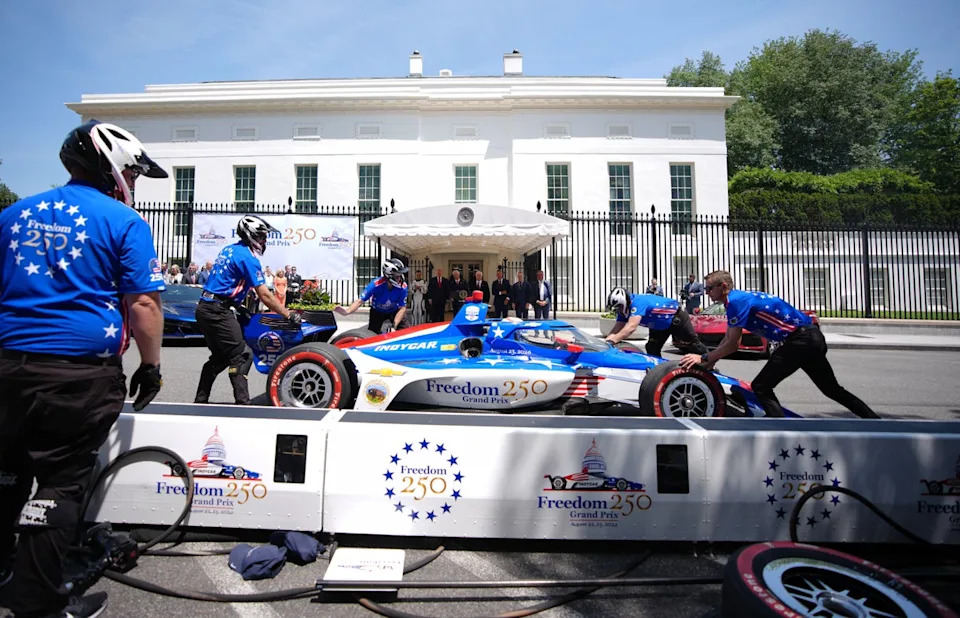
IndyCar drivers will reach speeds of up to 185 mph during the race, which will take place in the heart of the nation's capital, in and around museums and government buildings (Getty Images)
Gallery Response
Gallery spokesman Chris Abanavas told The Washington Post that the institution commissioned a vibration study and "implemented a set of measures to ensure the safety of our staff, visitors, collection, and facilities during the race." He declined to disclose specific mitigation steps, saying the study was conducted "out of a great abundance of caution." Independent reporting indicates some works have been moved away from the side of the building facing the racetrack.
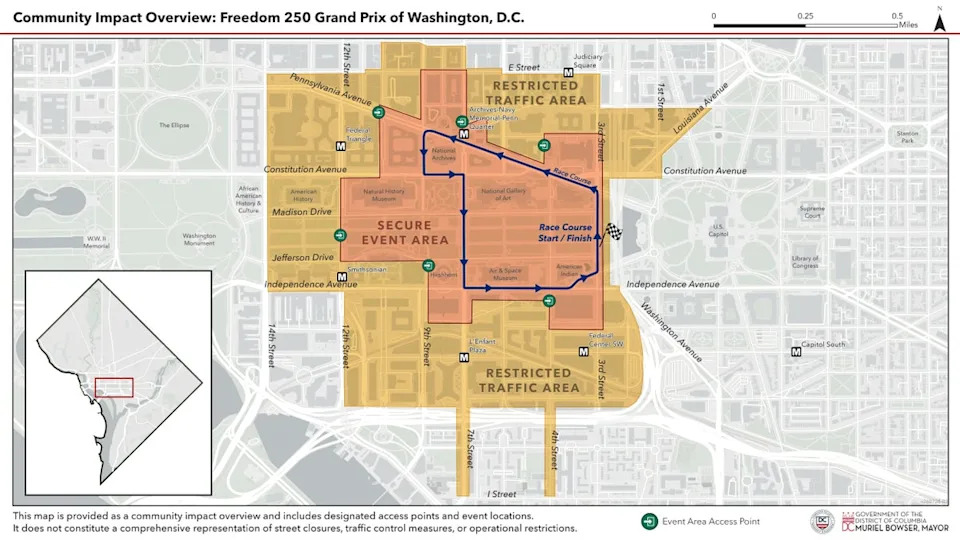
The National Gallery, which is listed on the National Register of Historic Places, sits in the middle of the 1.7-mile-long racecourse, a map released by Washington, D.C. Mayor Muriel Bowser's office showed (Executive Office of the Mayor)
Concerns From Preservationists
Preservation experts have voiced worries about the potential impact. Michelle Arcari Rose, a former associate general counsel at the National Trust for Historic Preservation, called running cars at highway speeds through an area that usually sees much lower traffic "a huge risk." Sara Bronin, former chair of the Advisory Council on Historic Preservation, warned that statues and exterior features along the route could be vulnerable to rumbling and vibration.
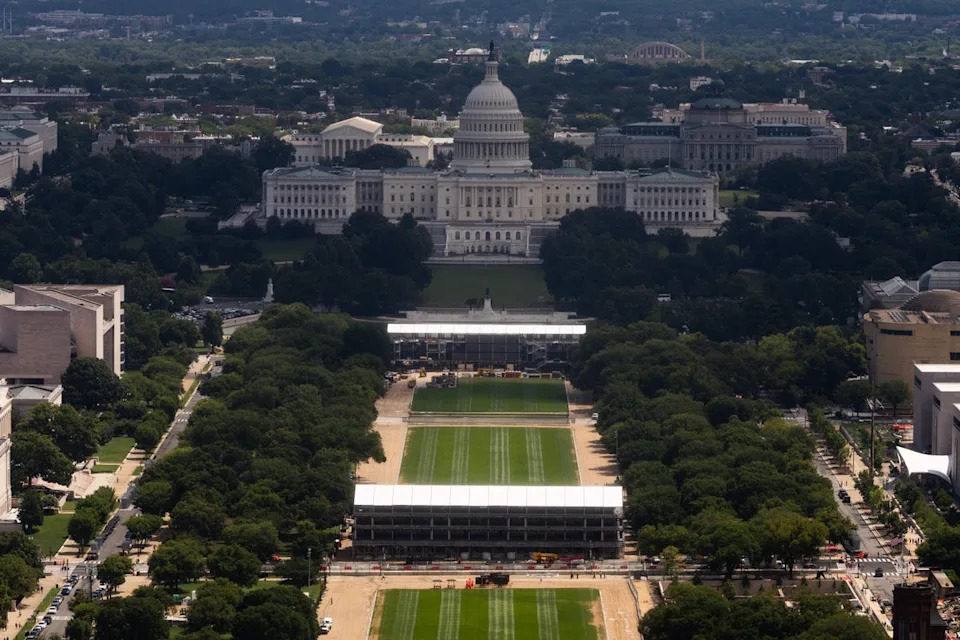
Construction for the Freedom 250 Grand Prix on the National Mall is seen from the Washington Monument (AP)
Organizers' Position And Context
Freedom 250 organizers emphasized their coordination with local and federal agencies and cited downtown races staged elsewhere in the past as precedent. A spokesperson said they do not anticipate damage to the structures that border the circuit.
What Studies Say
Research on racing events' impact on museum collections is mixed. A 2023 report cited by The Washington Post examining a NASCAR event near an art gallery in Chicago found that visitor foot traffic sometimes produced greater vibrations inside galleries than the race itself. The report also noted that routine museum activities—crowds, elevators, heavy doors, carts and loading-dock operations—can harm sensitive objects over time.
The course map released by Washington Mayor Muriel Bowser's office shows the track encircling landmarks including the Smithsonian's National Museum of the American Indian, the National Air and Space Museum, and the National Archives. The Freedom 250 organization, which is backed by former President Donald Trump, has faced scrutiny for earlier events, including a Great American State Fair that experienced low attendance and technical problems.
Bottom line: The National Gallery has taken targeted precautions after a vibration study; organizers and officials say they have coordinated safety measures, but some preservationists remain concerned about possible risks to outdoor monuments and sensitive collections.
Help us improve.