The Shark Lab at California State University, Long Beach has unveiled a new high-tech patrol device — the Shark Surveillance Bot (SSB) — designed to monitor nearshore waters ahead of the 2028 Los Angeles Olympic surfing and open-water swimming events.
The semi-autonomous underwater robot is built to detect tagged great white sharks, collect environmental DNA (eDNA), and transmit live data to researchers and lifeguards. A prototype is expected to conduct continuous nearshore patrols for up to a week while carrying an aerial drone to add above-water surveillance.
How It Works
The SSB combines several detection tools: acoustic tracking for tagged sharks, eDNA sampling to confirm species presence, and live telemetry so beach safety teams can receive real-time updates. The system is intended to improve situational awareness without disturbing animals or unnecessarily closing beaches.
“Our data suggests that there are sharks around our beaches all the time without incident, but knowing what sharks, and how many are out there helps lifeguards make better decisions,”
— Dr. Chris Lowe, Shark Lab director.
Why Now?
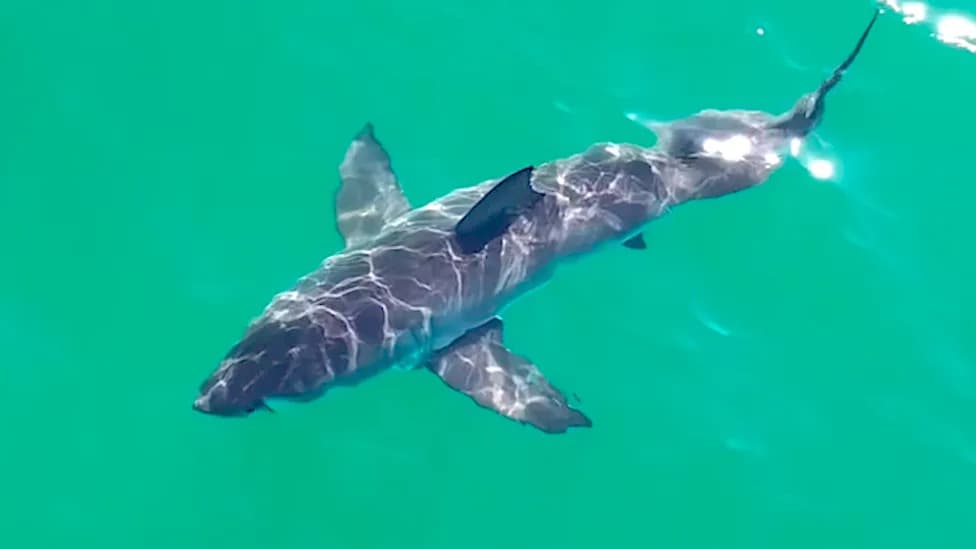
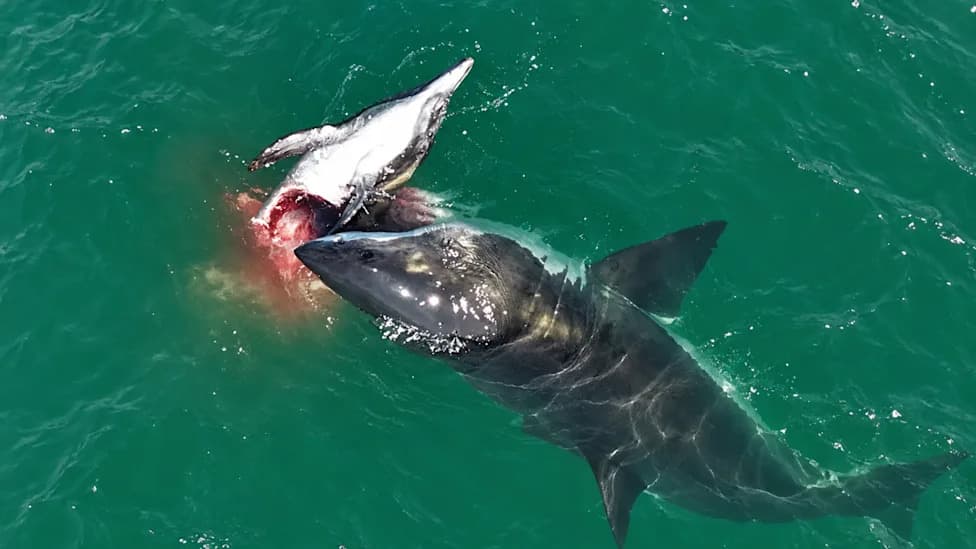
The timing coincides with an uptick in shark encounters across California. The California Department of Fish and Wildlife reported that 2025 recorded the highest annual total of shark incidents in state history. The 2026 season has also been unusually active as warm Super El Niño conditions have attracted large numbers of juvenile great white sharks into Southern California's shallow nursery habitats.
Dr. Lowe and other researchers caution that while juvenile populations may swell during El Niño cycles, shark bites remain exceedingly rare. The robot is not intended to clear beaches every time a shark appears; instead, it gives officials clearer information to decide whether closer inspection or precautionary measures are warranted before competitions or public swims.
By 2028, the SSB may be part of routine beach patrols at venues such as Lower Trestles and Long Beach — quietly monitoring the lineup so athletes and lifeguards can make better-informed safety decisions.
Source: This story was originally published by Surfer on Aug 5, 2026.