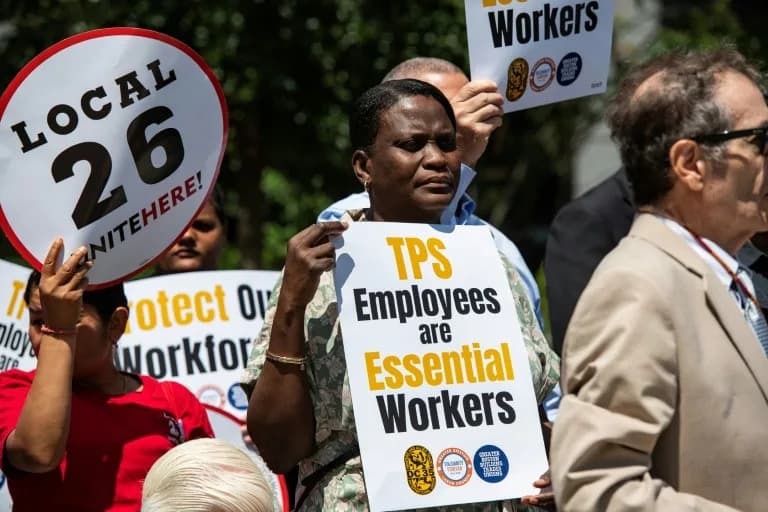
The U.S. has ended Temporary Protected Status for Haitians, exposing more than 300,000 people to possible deportation despite a Level 4 "Do Not Travel" advisory for Haiti. Judge Ana C. Reyes reversed her prior order after a June Supreme Court decision, removing the temporary protections that allowed many Haitians to live and work legally in the U.S. Around 200,000 of those affected are employed in health care and warehouses, raising concerns about labor shortages. Advocates and lawmakers say the move forces people back into dangerous conditions and reflects targeted policy against immigrants of color.
End Of TPS For Haitians Puts 300,000+ At Risk Despite U.S. 'Do Not Travel' Advisory
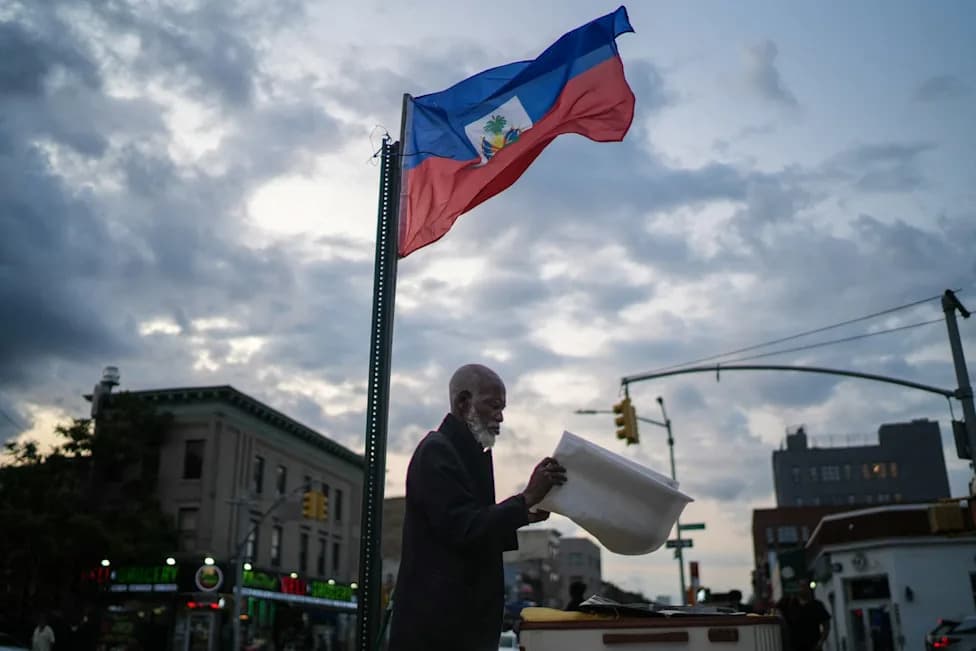
Trump’s Deportations Turn Into New Horror With End of TPS for Haitians
Temporary Protected Status (TPS) for Haitian nationals has officially ended, placing more than 300,000 people in the United States at risk of deportation even as the U.S. continues to list Haiti under a Level 4 "Do Not Travel" advisory.
On Wednesday, U.S. District Judge Ana C. Reyes of Washington, D.C., reversed her earlier ruling and held that TPS is "no longer in effect" for Haitians, a decision that followed a related U.S. Supreme Court ruling in June. This judicial step removes the temporary federal protections that had allowed thousands of Haitians to remain and work legally in the U.S.
Humanitarian and Economic Impact
Advocates warn the decision forces many people back toward a country the U.S. itself deems unsafe because of crime, kidnapping, unrest, terrorism risk, and limited health-care capacity—conditions that helped justify TPS protections in the first place. Roughly 200,000 of those now at risk are employed in the U.S., primarily in health-care and warehouse roles, and their sudden potential removal threatens local labor markets and the businesses that depend on them.
Katie Kershtold, a senior attorney at Advocates for Basic Legal Equality, told The Washington Post: "The way this group has been specifically targeted is symbolic of the administration's efforts to criminalize immigrants of color."
Senator Chris Murphy condemned the decision, calling it "an embarrassment for the United States of America," and said there is "no safe place to return for TPS holders from places like Haiti and Yemen and Venezuela and Syria," noting conditions in those countries are deteriorating.
What Comes Next
Individuals affected by the decision may pursue legal options, but the immediate consequence is increased uncertainty for families, employers, and communities. Employers in sectors that rely heavily on immigrant labor have already begun contingency planning and recruiting for replacement workers.
Context: The administration and courts must now weigh enforcement and implementation steps, while humanitarian groups and lawmakers continue to press for protections for people who were granted TPS due to extraordinary conditions in their home countries.
Help us improve.