
The House draft of the fiscal year 2027 NDAA would widen the Intelligence Identities Protection Act to cover "protected defense individuals," potentially criminalizing disclosures that identify special operations personnel and some civilian support staff. Critics, including the Reporters Committee's Gabe Rottman, say the change is broad and could suppress journalism and whistleblowing. The proposal follows a viral January post naming the Delta Force commander and has prompted a Congressional subpoena and pushback from press-freedom groups. Any change must survive House–Senate negotiations before it could become law.
House NDAA Draft Would Make Revealing Special Ops Identities a Crime Under Intelligence-Secrecy Law
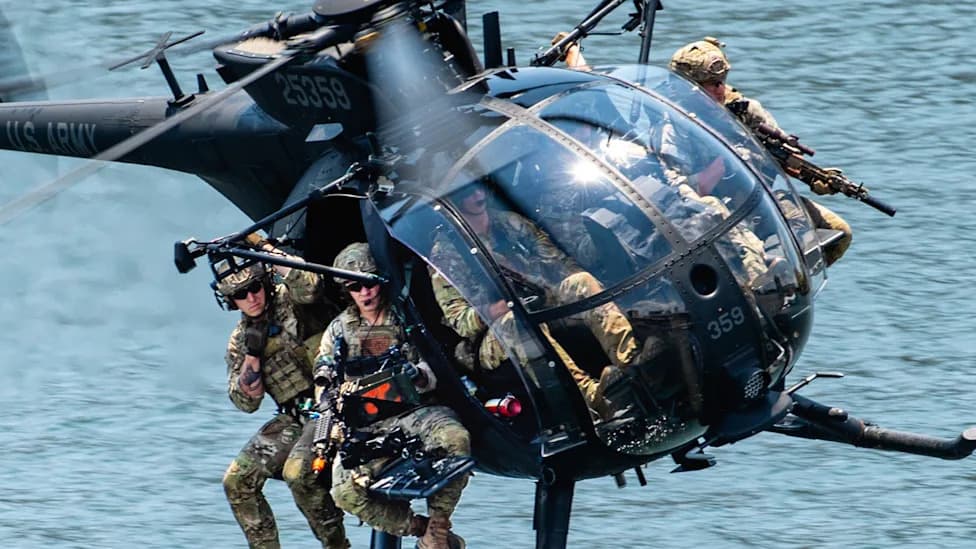
A proposal in the new national defense bill would extends laws intended to protect the identities of secret agents to military troops in "sensitive units" and those designated by the Secretary of Defense.
The House version of the fiscal year 2027 National Defense Authorization Act (NDAA) would expand existing intelligence-secrecy law to potentially criminalize publicizing the identities of special operations personnel and certain supporting civilians. The amendment would extend the Intelligence Identities Protection Act (IIPA) to a new category called "protected defense individuals," allowing the Secretary of Defense to designate who qualifies for secrecy protections.
What the Proposal Would Do
Under the proposed language, the IIPA's prohibition on the "intentional" disclosure of covert intelligence officers would be amended to cover service members in "sensitive" units, civilian trainers who work with special operations forces, selected communications personnel and others specifically designated by the Secretary of Defense. Supporters say the change would protect operators and their families from doxxing and targeted threats.
Critics' Concerns
Gabe Rottman, vice president for policy at the Reporters Committee for Freedom of the Press, warned the provision is broad and could chill reporting and whistleblowing. He said the Secretary of Defense's ability to determine which units or missions are "sensitive" could let officials unilaterally decide which disclosures are criminal—potentially encompassing social-media posts, news reporting and even service members speaking to journalists.
"This feels really quite broad, and it would clearly on its face cover disclosures that are manifestly in the public interest," Rottman said, noting heightened public attention to military operations and special forces.
Context And Consequences
The proposal in the House NDAA draft follows a January social-media post that identified the commander of Delta Force after the unit led a raid that captured Venezuelan President Nicolás Maduro, according to a policy aide in Rep. Richard Hudson's office. The viral X post came from reporter Seth Harp and has since been removed.
The House Oversight Committee voted to subpoena Harp, and a Republican lawmaker who led the motion said the post endangered national security. Press-freedom groups pushed back, arguing the Congressional action threatened free-press protections and that the information Harp posted was not classified; Harp said his post relied on publicly available biographical material.
Historically, prosecutions under the IIPA have targeted intelligence officers who disclosed covert colleagues' identities; violations of the statute can carry prison sentences in the range of roughly 10 to 15 years. Legal experts caution that extending the law to broader categories of military and civilian personnel could have a chilling effect on journalism and internal reporting of wrongdoing, including allegations of war crimes.
Next Steps
Before becoming law, the House and Senate must reconcile their NDAA versions and agree whether to include this amendment in the final bill. Debate is likely to continue between lawmakers emphasizing operator safety and advocates warning about press freedom and accountability risks.
Help us improve.





















