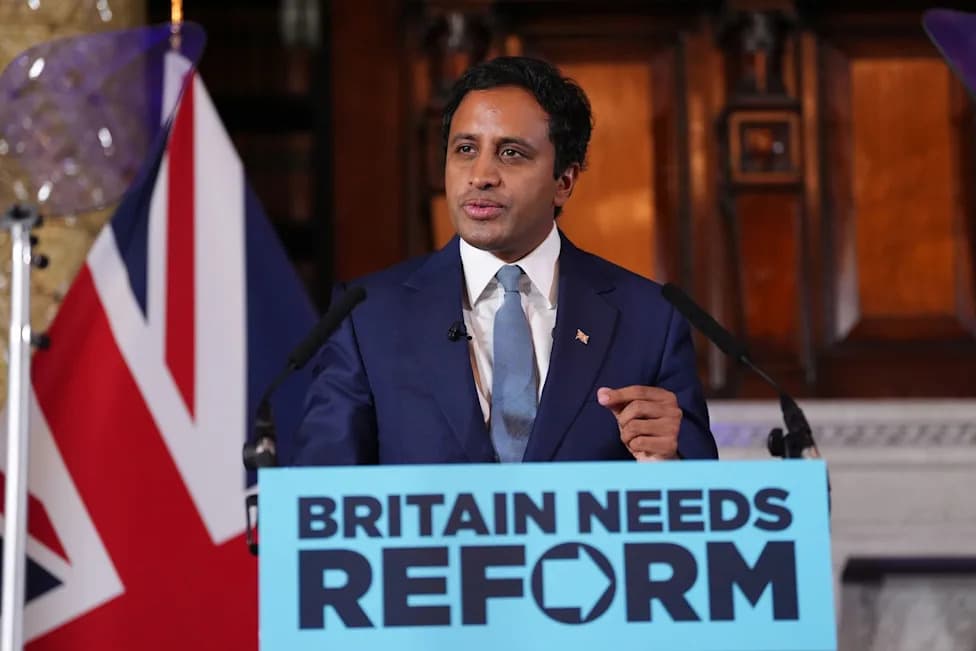
The Conservatives’ initially selected candidate for Crewkerne South, Joshua Bonehill-Paine, has withdrawn after widespread criticism of his past as a neo-Nazi and a 2016 conviction for racially harassing Luciana Berger. He says he will accept an unpaid anti-extremism adviser role with the party’s Culture and Integration Commission. The move has prompted sharp criticism from Baroness Berger, Jewish groups and opposition politicians, who have questioned the party’s vetting and Kemi Badenoch’s judgement.
Ex-Neo-Nazi Withdraws From Tory Council Race After Backlash; Offered Unpaid Anti-Extremism Adviser Role
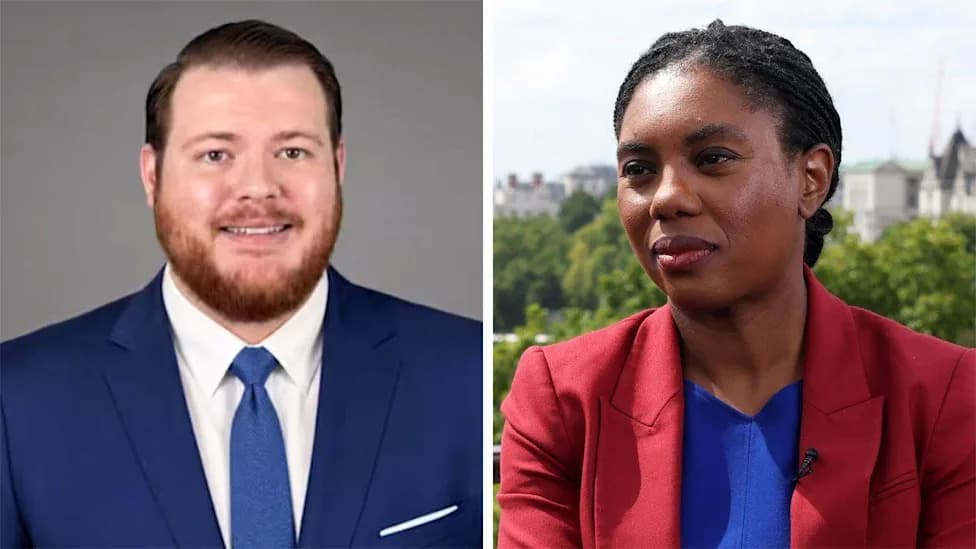
[Yeovil Conservatives/Getty Images]
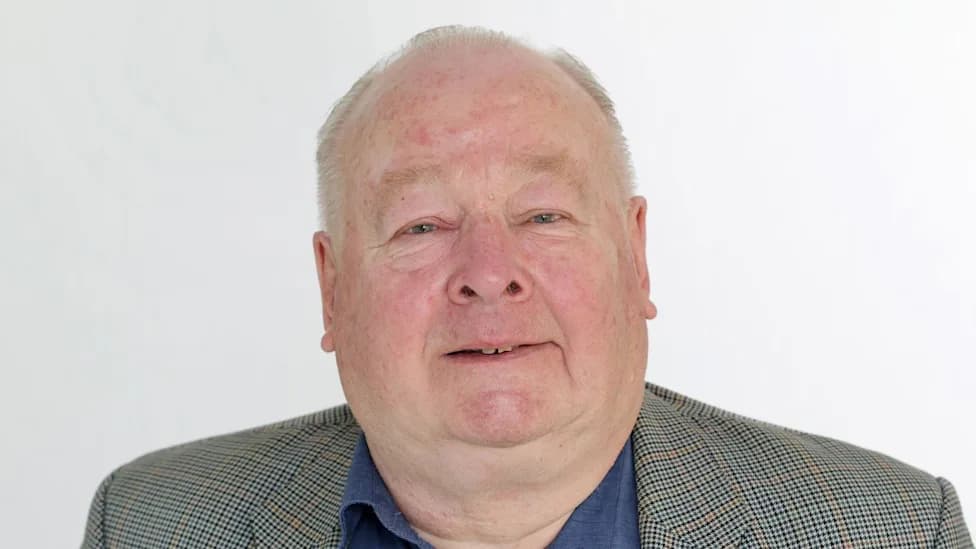
Joshua Bonehill-Paine, a former neo-Nazi activist who was convicted in 2016 of racially harassing then-Labour MP Luciana Berger and jailed in 2015 for sharing antisemitic material, has withdrawn as the Conservative candidate for the new Somerset Council seat of Crewkerne South.
Withdrawal And New Role
Bonehill-Paine announced he would no longer stand after sustained criticism of his selection. He said he had been offered an unpaid role as an anti-extremism adviser to the Conservative Party’s Culture and Integration Commission, which he described as focusing on preventing the radicalisation of young men.
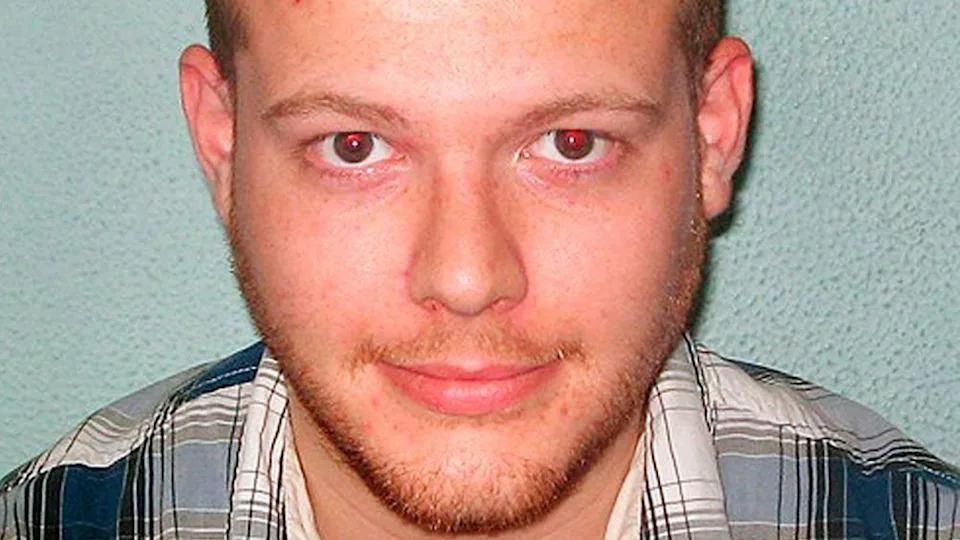
Joshua Bonehill-Paine in a photograph taken in 2016 [PA Media]
Background
Bonehill-Paine served three years in prison after a 2015 conviction for posting antisemitic material ahead of a planned neo-Nazi rally, and was subsequently convicted in 2016 of racially harassing Luciana Berger. He has since said his earlier views were "indefensible" and that, since his release in 2018, he has worked on anti-extremism training for universities, schools, colleges and probation services.
Responses And Controversy
Tory leader Kemi Badenoch publicly defended the decision to select him, arguing the party "believes in second chances" and that people who have changed can help tackle extremism. Badenoch said she was "sad that Joshua feels he won't be given the space to explain his position and represent his community," but welcomed his decision to work with the party on radicalisation prevention.
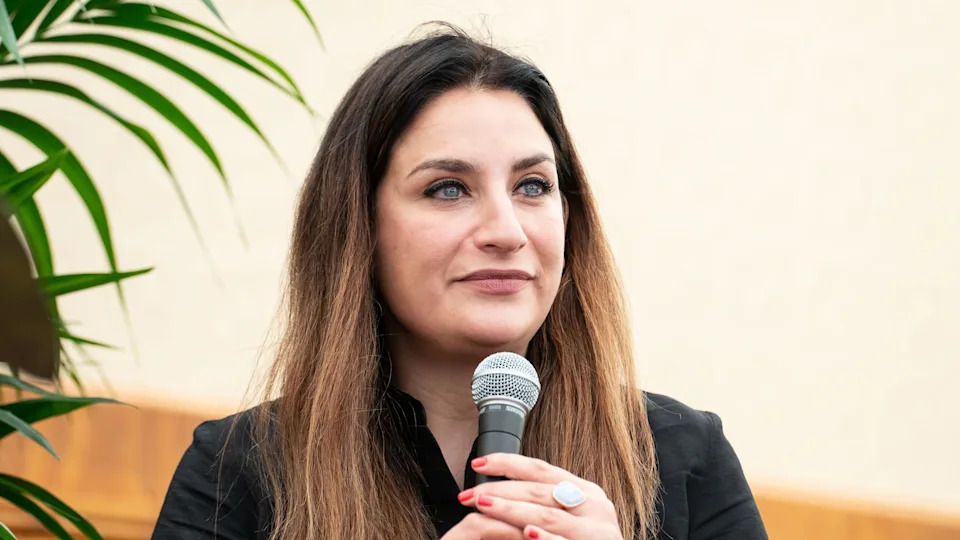
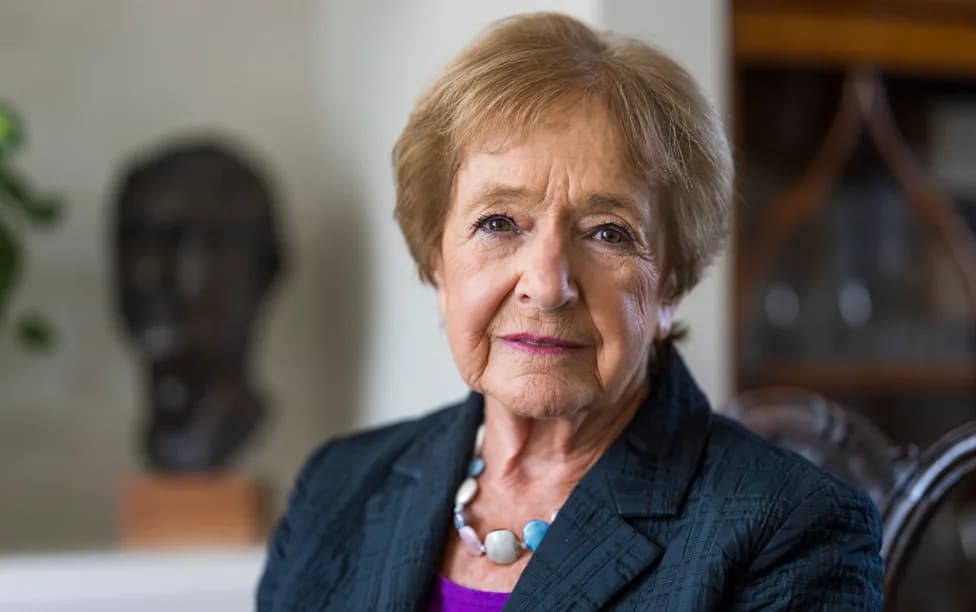
Baroness Luciana Berger said Joshua Bonehill-Paine "showed utter contempt" during the case in 2016 [Getty Images]
Baroness Luciana Berger called the adviser offer an "insult," saying it was "no better than allowing him to stand as a council candidate." She described the harassment she endured as extreme and said it had a profound personal impact, particularly when she had to give evidence while over six months pregnant.
The appointment sparked a strong backlash from Jewish groups, some of which declined his offer of a meeting. Critics, including Reform UK and local opposition politicians, described the adviser offer as alarming and said the party should have exercised more rigorous vetting. The Board of Deputies of British Jews welcomed his withdrawal and urged all parties to strengthen their vetting processes to guard against racism and antisemitism.
Judicial Remarks
At sentencing, the judge said it was "difficult to envisage a worse case than this of racially aggravated harassment of this kind," noting Bonehill-Paine had "sat in the dock smirking throughout the trial" and had "plainly enjoyed" the distress caused to Baroness Berger.
What He Said
In social media posts explaining his decision, Bonehill-Paine said continued attention to his past would distract from his present work and that his experience would be better used supporting Badenoch’s efforts to combat antisemitism and radicalisation. The adviser role is understood to be unpaid.
Help us improve.