Iran warned Gulf states that any new U.S. strike would provoke retaliation against regional energy infrastructure, a move conveyed during high-level diplomatic calls after President Trump threatened to target Iran's energy network on July 28. Deputy Foreign Minister Abbas Araqchi contacted counterparts in Saudi Arabia, Turkey and Qatar and urged them to press Washington to pursue diplomacy. Tehran cited the 2019 Aramco strikes to underscore Gulf vulnerabilities and to raise the cost of further U.S. military action.
Iran Warns Gulf States: New U.S. Strikes Could Trigger Attacks On Regional Energy Infrastructure
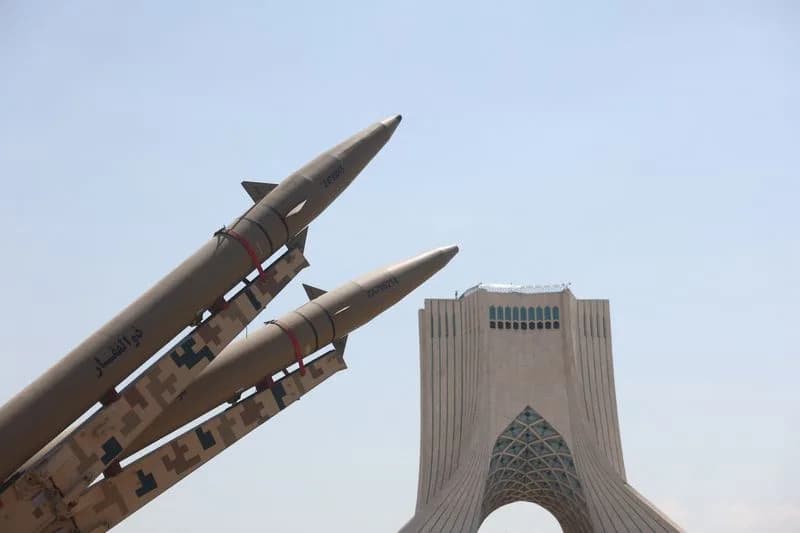
An Iranian missile system is displayed in Azadi Square in Tehran, Iran, July 30, 2026. Majid Asgaripour/WANA (West Asia News Agency) via REUTERS
Iran has warned Gulf governments that any new U.S. strike on its territory would be met with retaliatory attacks on critical energy infrastructure across the region, according to multiple sources briefed on the exchanges. The outreach — conveyed through a series of high-level diplomatic contacts — appears aimed at raising the political and economic cost of further military action and pressuring Washington’s closest regional partners to dissuade renewed strikes.
What Happened
The warning followed U.S. President Donald Trump’s July 28 statement that he was prepared to target Iran’s energy network and infrastructure. Two senior Iranian officials, two Gulf-based sources and a senior regional diplomat — all speaking on condition of anonymity because of the sensitivity of the matter — said Iranian Deputy Foreign Minister Abbas Araqchi phoned counterparts in Saudi Arabia, Turkey and Qatar and also spoke with Pakistan’s army chief.
Araqchi urged those governments to use their influence with Washington to prevent renewed strikes. According to sources, his message was consistent: Iran was ready to retaliate if attacked, but a diplomatic solution was the best way to avoid wider escalation and destruction across the Gulf.
"We're ready to retaliate, but finding a diplomatic solution is the best way to avoid wider escalation and destruction across the region," a senior diplomat quoted Araqchi as saying.
Regional Impact And Reactions
The outreach put Gulf states that host U.S. bases and depend on energy exports in a difficult position between Washington and Tehran. Saudi Crown Prince Mohammed bin Salman reportedly urged President Trump to delay military action, return to negotiations and seek a diplomatic settlement. Qatar, Oman and Saudi Arabia also urged Washington to resume talks to prevent renewed conflict.
Iran’s warning specifically referenced vulnerabilities in regional energy infrastructure, invoking the September 2019 attacks on Saudi Aramco facilities at Abqaiq and Khurais — strikes that temporarily removed more than half of Saudi crude output and illustrated how energy facilities can be targeted to amplify economic consequences.
Iran told interlocutors that any fresh U.S. strikes could prompt attacks on oil facilities, refineries, electricity grids, water systems, transport networks and oil fields across the Gulf. Tehran’s apparent aim is to convince both Washington and Gulf partners that another round of strikes would carry unacceptable economic and strategic costs.
Choices And Diplomatic Stakes
From Tehran’s perspective, sources said, Washington faces two unpalatable choices: escalate a conflict that could engulf the Gulf and disrupt global energy supplies, or accept a negotiated outcome that may be difficult to present as a decisive victory. A senior regional diplomat described one obstacle to a deal as Washington’s reluctance to allow Tehran to claim victory.
Reporting: Parisa Hafezi. Editing: Sanjeev Miglani.
Help us improve.