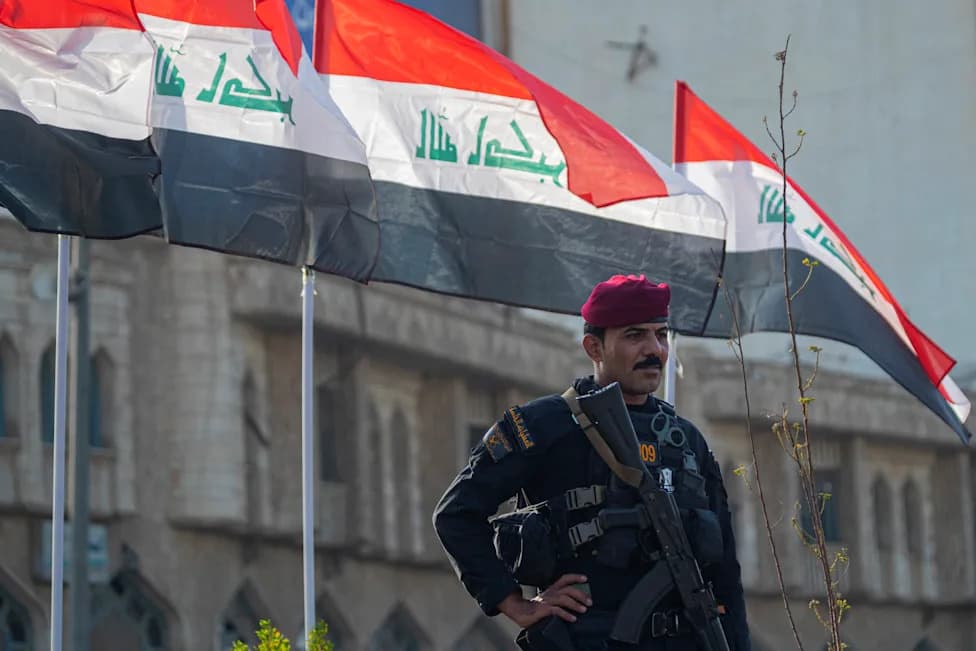
Iraq faces a mounting political and security crisis as a September 30 deadline to centralise all weapons approaches and several powerful Shia militias refuse to disarm. Iran-aligned groups such as Kataib Hezbollah and Harakat al-Nujaba insist on keeping so‑called "resistance weapons," arguing they defended the country and remain needed. Analysts warn failure to centralise arms could undermine state authority, worsen an already fragile economy hit by falling oil exports, and potentially trigger sanctions; a short extension to December remains a possibility.
Iraq on Edge: Shia Militias Defy Disarmament as Sept. 30 Deadline Looms
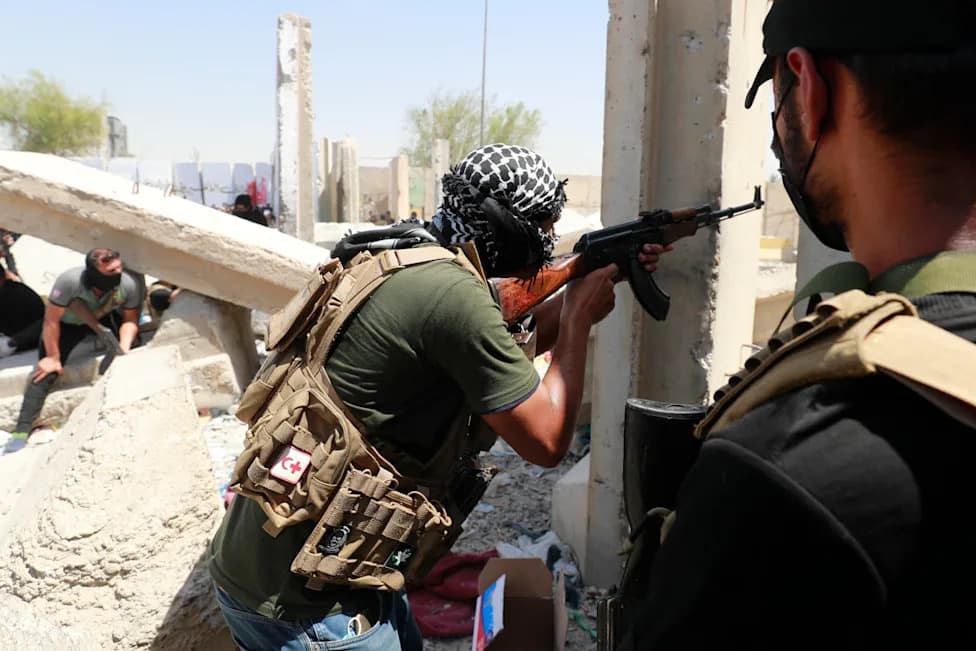
An armed member of Saraya al-Salam, the military wing affiliated with Shia leader Moqtada al-Sadr, takes aim during clashes with Iraqi forces in Baghdad's Green Zone on August 30, 2022 [Ahmad Al-Rubaye/AFP]
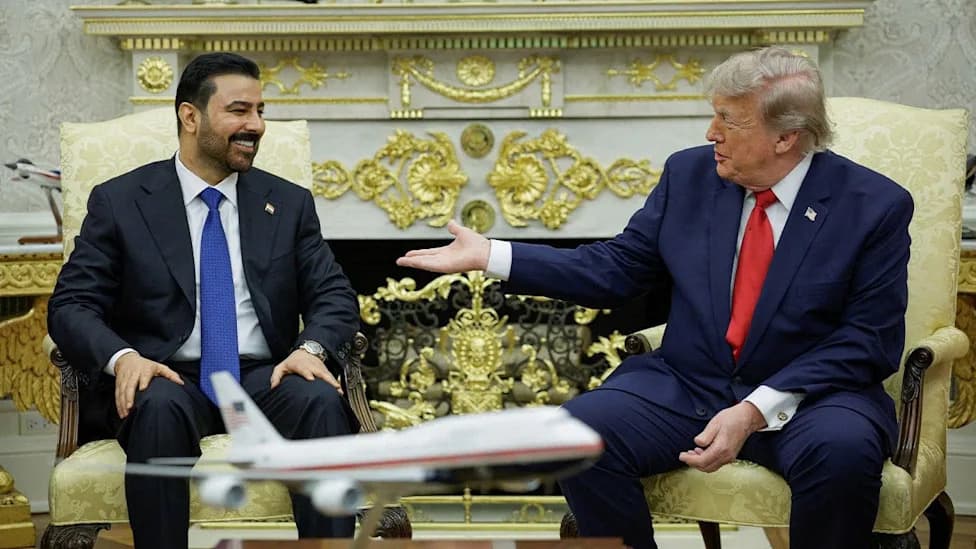
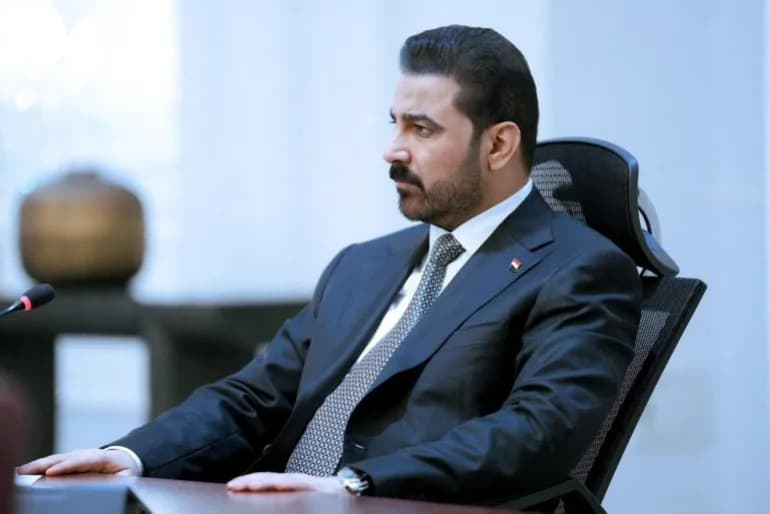
Iraqi Prime Minister Ali al-Zaidi is confronting a deepening political and security crisis as a September 30 deadline to place all weapons under state control approaches. While several armed formations have signalled willingness to integrate into state security structures, some of the country's most powerful Shia paramilitaries refuse to disarm, threatening to derail the government's plan.
Standoff With Powerful Paramilitaries
Groups such as Saraya al-Salam, Asaib Ahl al-Haq and Kataib al-Imam Ali have reportedly agreed to some form of integration. But Iran-aligned Kataib Hezbollah — one of Iraq’s most heavily armed factions — has explicitly rejected the mandate, saying it will retain what it calls "resistance weapons" and continue to expand its arsenal. The influential Harakat al-Nujaba has argued that weapons seizures should target illegal arms that fuel chaos, not those used by fighters who "defended Iraq, its holy sites, and its people during the most difficult circumstances."
Regional Pressure and Economic Stakes
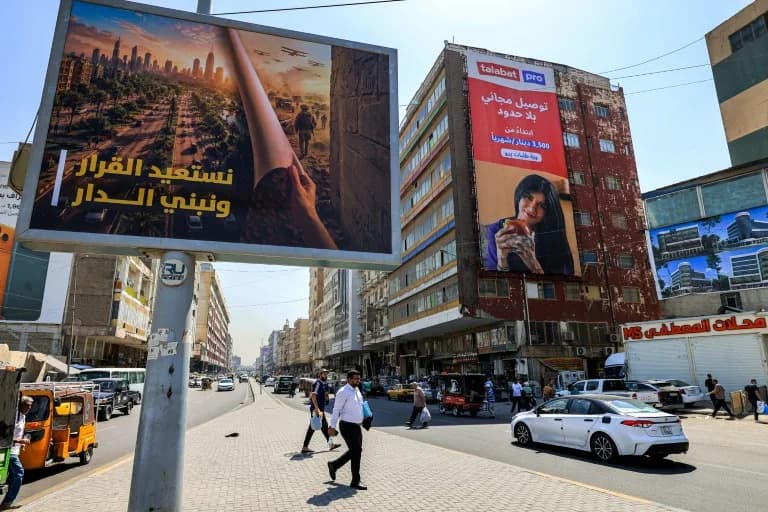
The centralisation drive is being pushed by pressure from the United States amid the wider war on Iran, and by the economic fallout that has made foreign investment a pressing priority. Oil revenues account for more than 90% of Iraq’s state budget. The closure of the Strait of Hormuz pushed crude exports down to roughly 600,000 barrels per day in March from about 3.3 million bpd, intensifying urgency in Baghdad.
What Analysts Say
Experts warn that powerful factions refusing to submit to state control call into question the very concept of the Iraqi state. Talib Mohammed Karim, a professor of political thought at Mustansiriya University, told Al Jazeera that allowing independent armed groups to operate outside state control "undermines the constitutional order" and may force a redefinition of what constitutes the state.
"When we talk about specific or defined factions ... we will be facing a contradiction in confronting the state in its entirety and definition," Karim said. He also expressed scepticism that declared disarmament commitments are anything more than gestures for media consumption.
Political analyst Kadhim al-Hajj criticized linking disarmament to foreign troop movements, given current cross-border attacks. He insisted the process must be perceived as fully sovereign and not as a US diktat: "The issue of weapons in the Iraqi state is an internal Iraqi matter, and therefore there must be a national approach in this direction."
Possible Outcomes
With the deadline approaching, analysts say Baghdad has limited options. Omar al-Nasser described the standoff as an existential crossroads: "Today we have reached the end of the virtual lifespan of the concept of state and non-state." He warned that failure to centralise control could invite sanctions, further restrict oil exports, and deepen economic pain.
Practical pathways include immediate integration of paramilitary units into state institutions, a gradual, negotiated process based on "calm dialogue outside the logic of victor and vanquished," or — in the worst case — open confrontation. Observers say a short extension of the deadline to the end of December remains possible as negotiators seek to avoid an immediate clash.
What To Watch Next
Key developments to follow: whether major factions formally hand over heavy weapons or accept integration, how Baghdad balances US and domestic pressure, and whether the government moves to extend the deadline to buy time for negotiations.
Help us improve.