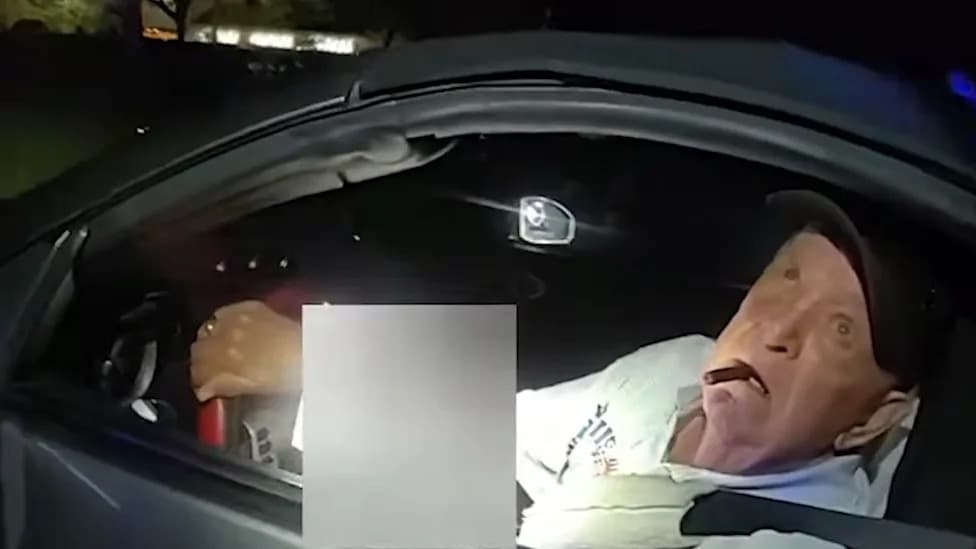
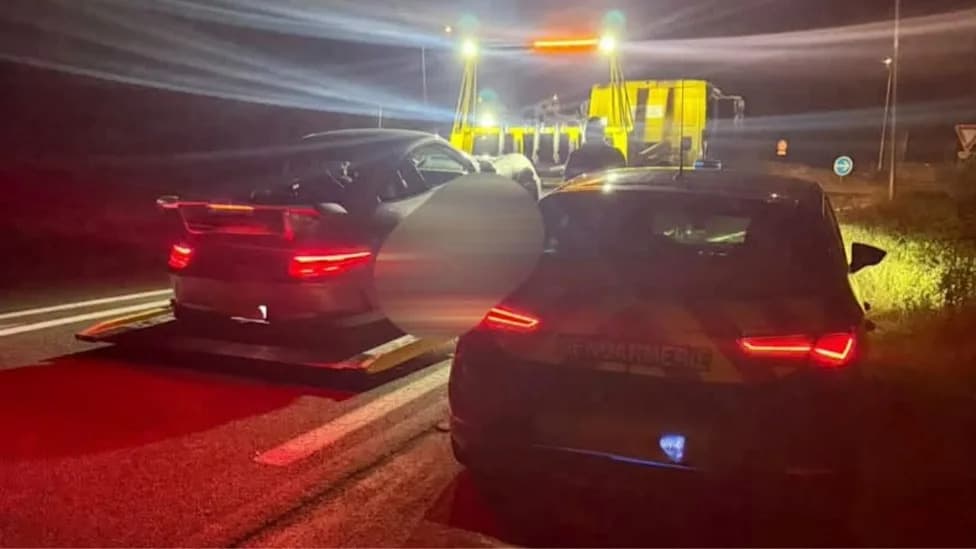
The Lee County Sheriff’s Office stopped a hot-pink Porsche doing 96 mph in a 45 mph zone on Three Oaks Parkway; driver Jenifer Leigh Delisi admitted responsibility, was arrested, and the car was towed. Under Florida Statute 316.1922 (enacted 2025), Dangerous Excessive Speeding is a criminal offense when a driver is recorded at 100+ mph in dangerous conditions or 50+ mph over the posted limit — 95 mph on a 45 mph road. Delisi’s 96 mph reading pushed the case into criminal court, exposing her to jail, fines, license consequences, towing costs, and serious insurance implications. Law enforcement across Florida has publicized similar stops, highlighting that flashy cars do not shield drivers from criminal penalties.
Pink Porsche Caught at 96 MPH in 45 Zone — Driver Faces Criminal Charge Under Florida’s New Speed Law

Florida Deputies Clock a Pink Porsche at 96 MPH in a 45 Zone — One MPH From a Simple Ticket, Instead a Criminal Charge
Fort Myers deputies didn’t need a tip or a spotter plane to find a distinctive vehicle last Sunday: a hot-pink Porsche doing 96 mph in a 45 mph zone on Three Oaks Parkway drew attention on its own.
The Lee County Sheriff’s Office says its traffic unit recorded the speed during routine enforcement. What started as an ordinary traffic stop quickly escalated into a criminal case.
Driver, Arrest, and Vehicle Impound: Deputies identified the driver as 40-year-old Jenifer Leigh Delisi. According to the deputy on scene, Delisi accepted responsibility, saying, "It was 100 percent on me. I take full responsibility." She was handcuffed, booked into the Lee County Jail, and the Porsche was towed from the scene.
Why This Is Criminal, Not Just A Ticket: Under Florida Statute 316.1922, enacted in 2025, prosecutors can bring a Dangerous Excessive Speeding charge in one of two ways: (1) a driver recorded at 100 mph or more while operating the vehicle in a manner that endangers people or property, or (2) a driver recorded at 50 mph or more over the posted limit, regardless of driving manner. On a 45 mph road, the 50-over threshold is 95 mph. Because Delisi was clocked at 96 mph — one mile over that cutoff — she faces criminal charges instead of an ordinary civil speeding citation.
Possible Penalties and Immediate Consequences: A first conviction under the statute can carry up to 30 days in jail, a $500 fine, or both. A second conviction within five years increases penalties to up to 90 days in jail, a $1,000 fine, and a mandatory driver’s license revocation of six months to a year. Those penalties are imposed through criminal court. Separately, Delisi must also pay towing and storage fees because deputies impounded the Porsche rather than letting her drive it away.
Insurance Impact: Criminal moving violations are usually treated far more severely by insurers than civil tickets. Conviction for Dangerous Excessive Speeding is typically classified as a major violation — the same category insurers use for DUI or reckless driving — and can trigger significant premium surcharges or move a driver into a high-risk market. That designation often remains on a driving record for three to five years, which can be especially costly for owners of high-value cars like Porsches.
Broader Enforcement Trend: The sheriff’s office publicized this stop on social media as part of a wider effort to curb reckless driving across Lee County. Similar uses of the statute have appeared elsewhere in Florida: Orange County deputies charged a driver of a Lamborghini after a 137 mph radar reading, and other high-profile stops have been widely shared online. Not all drivers comply peacefully — law enforcement officials note other incidents where drivers resisted or failed to pull over, sometimes with dramatic results during pursuits.
Takeaway: Florida’s Dangerous Excessive Speeding law applies equally to any vehicle. On roads with posted limits, the arithmetic is unforgiving: 50 mph over the limit triggers criminal exposure, and in this case a single mile per hour made the difference between a ticket and a criminal charge. Bright colors or flashy paint jobs may make a car more noticeable, but they don’t change the law.
Help us improve.